From agave to atelier: the unexpected creative language connecting tequila and fashion
L
Leisure Collective
Author
160
0
1
Don Julio tequila and Kenya's finest designers share more than a room. Here's the story of craft, patience and the creative language connecting agave fields to ateliers.
Two industries. One philosophy. And it starts with patience.
The thing they have in common
A designer sits with a silhouette for hours, moving a seam by a millimetre, reconsidering a hem. A distiller waits years before a single bottle is ready to leave the estate. Neither is in a hurry. Both understand that the finished thing will only be as good as the decisions made along the way — the ones that are invisible to the person who eventually wears or tastes the result, but entirely visible in the quality of it.
This is the thread connecting two creative worlds that have historically occupied separate conversations: fashion and tequila. The connection is not about aesthetics, though aesthetics are part of it. It is about craft — the kind that cannot be accelerated without consequence.
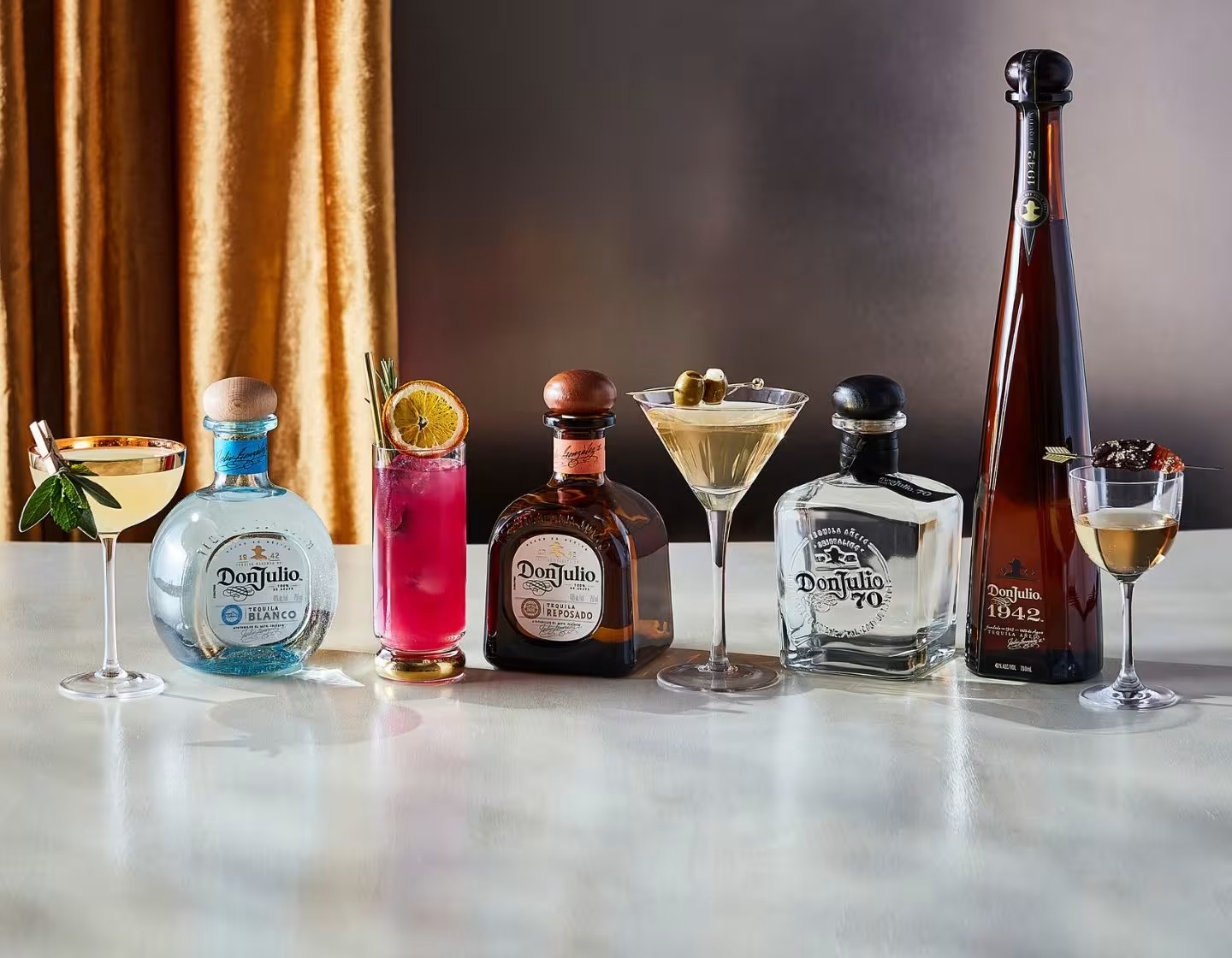
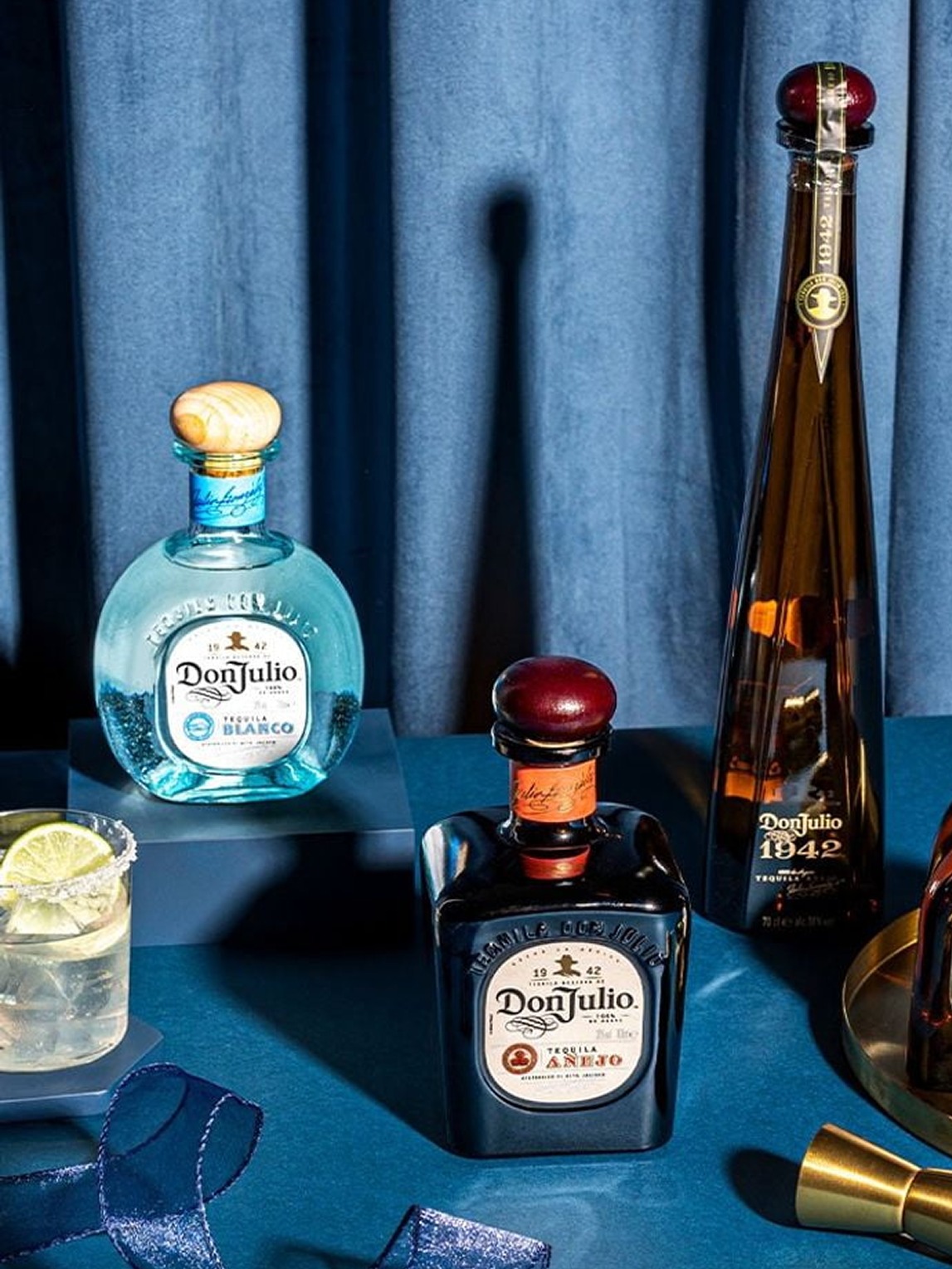
For Don Julio, the philosophy starts in the field. The agave plant used to make tequila takes years to mature before it is ready to harvest. The harvesting is done by hand. The distillation requires expertise developed over decades. And every stage of production reflects a commitment to the finished expression that does not waver under commercial pressure.
That is an unusual position for a globally distributed spirits brand to hold. And it is precisely why the brand has found itself drawn toward creative partnerships with people who hold the same position in their own work.
Kenya: where the conversation is happening now
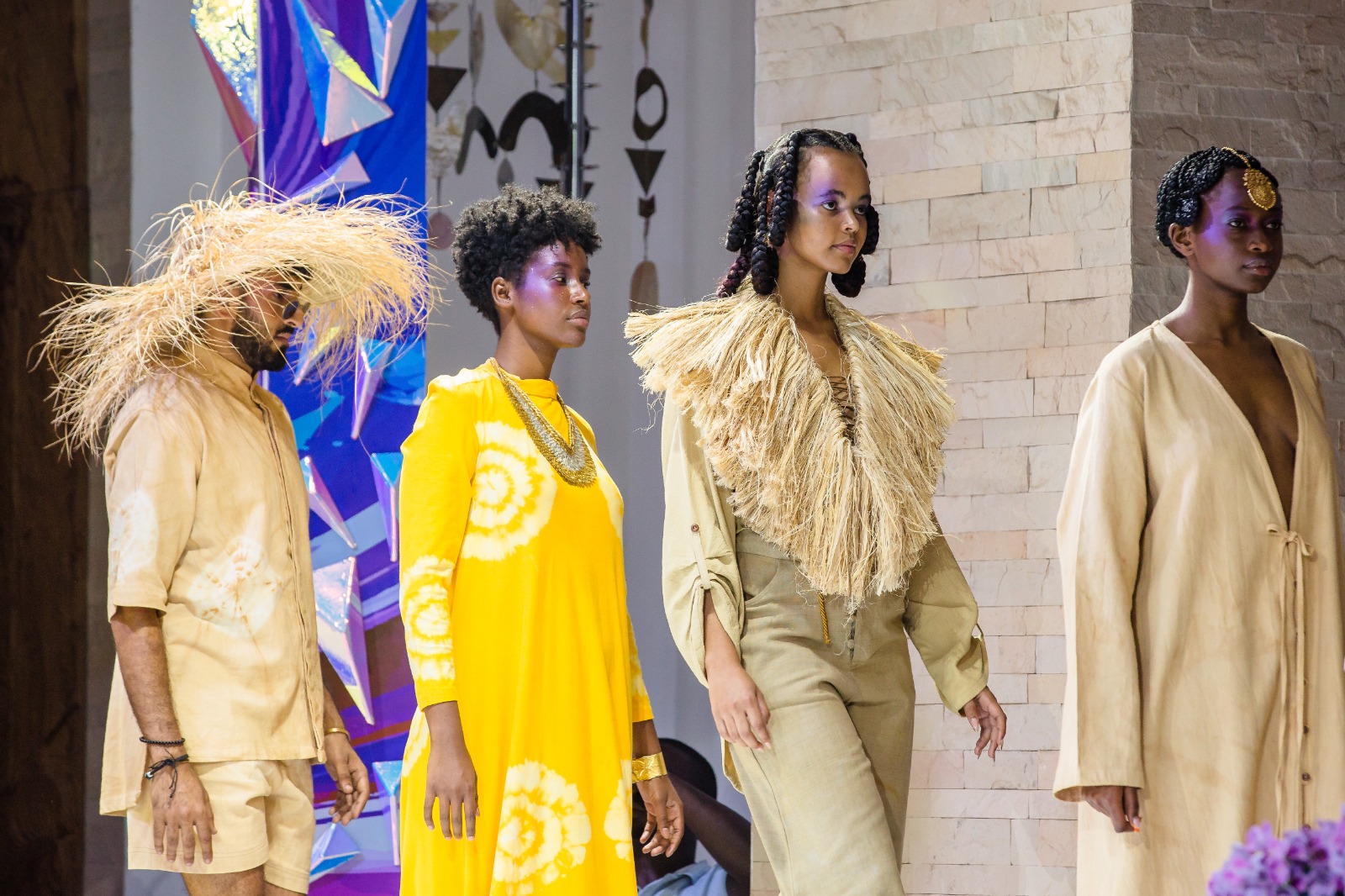
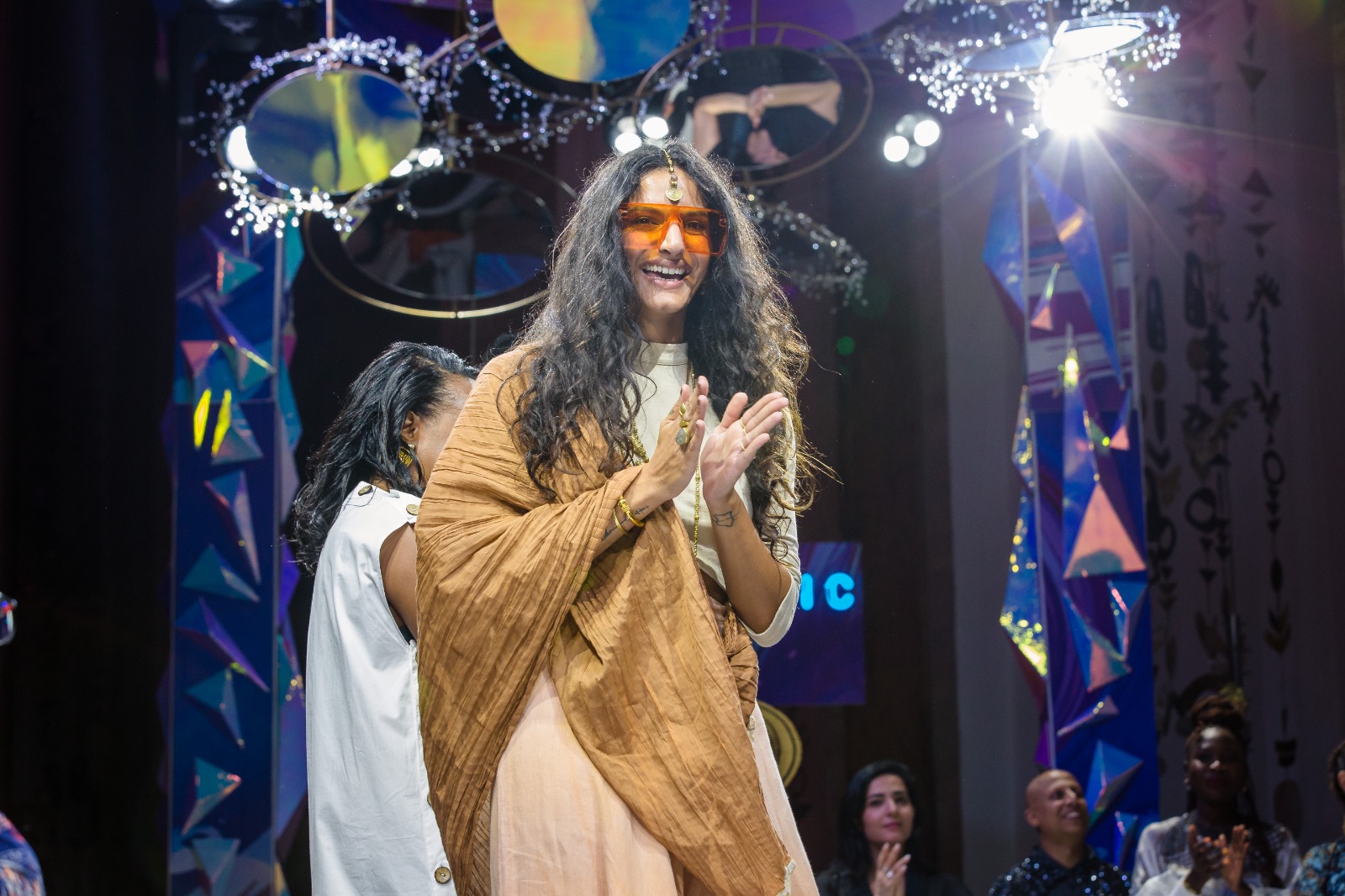
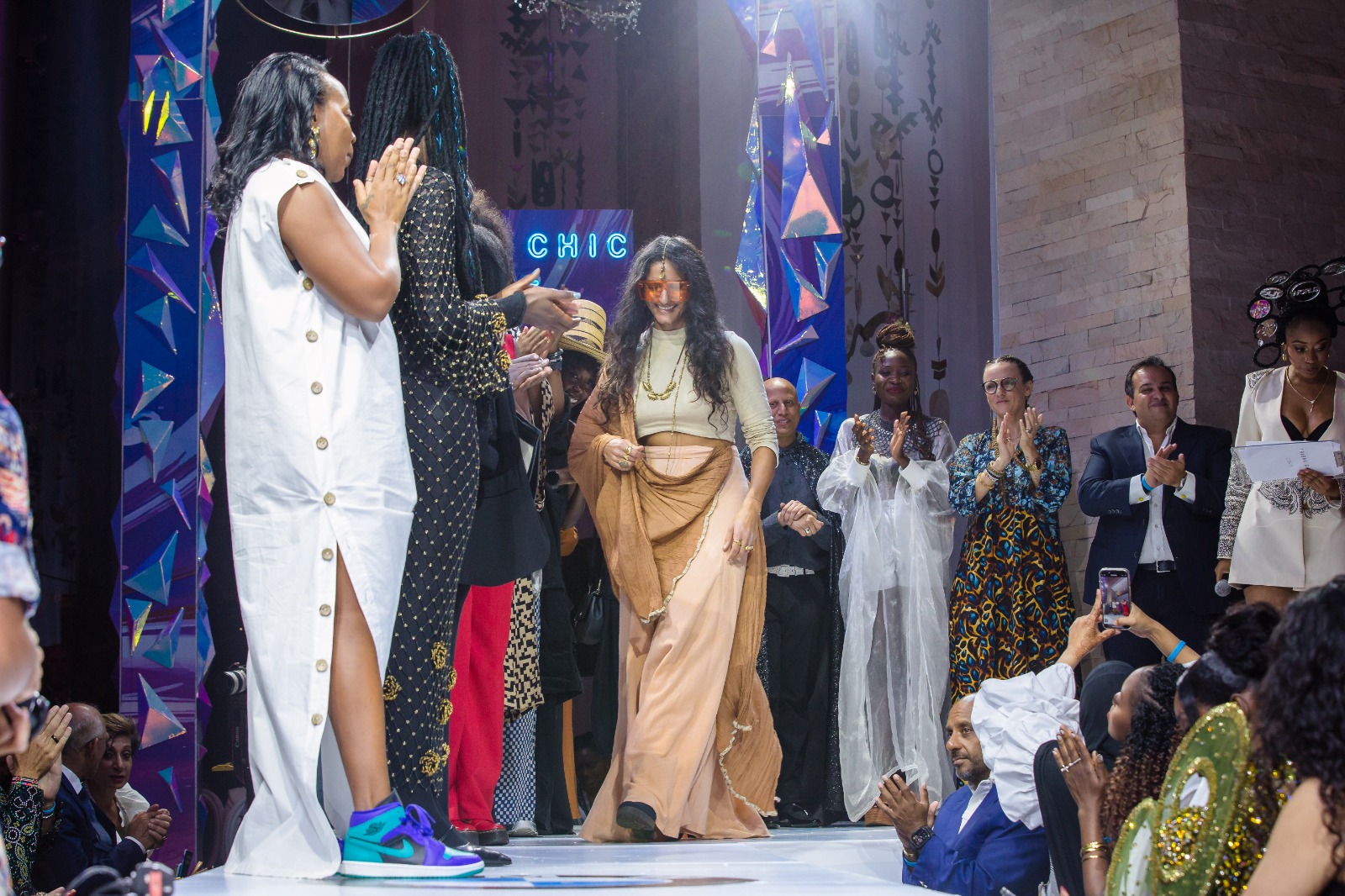
In Kenya, that conversation has found natural partners in designers whose work reflects the same underlying values. Lila Bare and SAO Satorial are two of the most compelling examples — designers whose creative approaches speak to a growing appreciation for individuality, detail and considered construction within African fashion.
What is happening in Kenya's fashion scene more broadly is significant context. Craftsmanship is increasingly becoming central to how modern luxury is defined on the continent — not imported luxury, but a distinctly African articulation of it, rooted in local heritage and pushed forward by a generation of makers who take the process as seriously as the product.
For Don Julio, that evolution creates a natural alignment. Where there is deep respect for craft, there is room for a genuine conversation between makers.
The wider map
Internationally, the brand has explored this creative territory through collaborations with designers including Willy Chavarria and Anamika Khanna — each a maker working at the intersection of cultural identity and meticulous construction, each bringing a creative vocabulary that resonates with the same audience that understands what it means for a tequila to be made with genuine intention.
Within Africa, a collaboration with South African designer Orapeleng Modutle at Durban July extended that conversation to the continent's most significant fashion-adjacent occasion — a moment where craft, culture and style converge in ways that have no direct equivalent elsewhere on the global events calendar.
The most interesting thing about the partnership between tequila and fashion is not the visual alignment — though the shared language of considered design, premium materials and restraint is genuinely there. It is what the collaborations reveal about how both industries think about their audience.
The person who chooses a well-crafted garment over a fast-fashion alternative and the person who reaches for a premium tequila over a standard pour are making the same kind of decision. They are choosing to invest in something made with intention. They are deciding that the story behind the object matters as much as the object itself.
That shared consumer is increasingly present in Kenya — and increasingly specific about what they want from the brands they engage with.
Kenya's creative scene is evolving at a pace that rewards attention. Fashion, art and design are reshaping how modern luxury is understood here, creating spaces where heritage and contemporary expression sit in the same room without tension.
For Don Julio, the relationship with Kenya's creative world is a natural extension of everything the brand has always stood for. Not a partnership of convenience, but a genuine recognition that the making of something exceptional — whether you age it in a barrel or cut it on a studio table — shares the same fundamental commitment to getting it right.
The future of that conversation in Kenya looks increasingly exciting. The agave fields and the ateliers are, it turns out, closer than they appear.
For more information about Don Julio please visit ke.thebar.com