Inside Onja Onja: How Blankets & Wine Built East Africa's Most Important Electronic Music Stage
L
Leisure Collective
Author
238
0
0
The Onja Onja Stage at Blankets & Wine has become a festival within a festival — and the June 2026 lineup proves it is now the heartbeat of East African electronic music
Inside Onja Onja: how Blankets & Wine built East Africa's most important electronic music stage
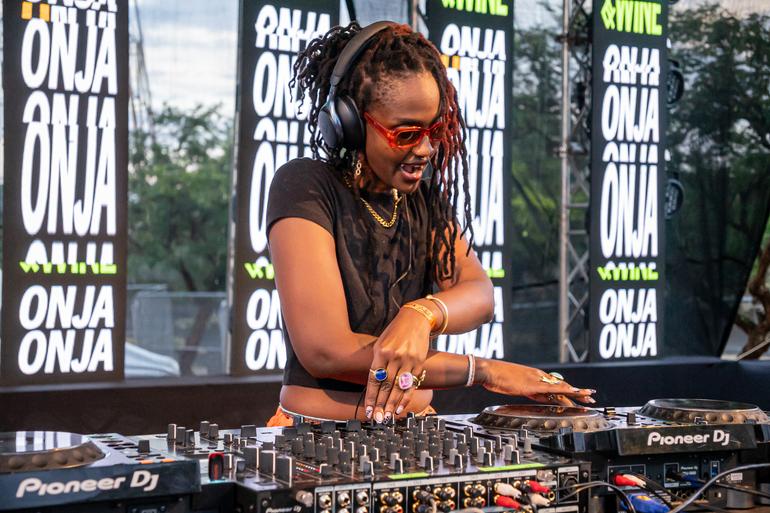
There is a moment at every Blankets & Wine where the crowd splits. The main stage has its audience — settled on blankets, drinks in hand, singing along to words they have known for years. And then there is the other crowd. The one that migrated quietly toward the second stage, drawn by a bassline that started low and built slowly into something that does not have a simple name. That is the Onja Onja crowd. And in 2026, it is no longer the smaller gathering.
What began as a food fair and a platform for producers-turned-DJs at the edges of Blankets & Wine has grown, edition by edition, into something that deserves to be understood on its own terms — a curatorial institution that has done more to shape the trajectory of electronic music in East Africa than almost anything else running.
What Onja Onja actually is
The name is deliberate. Onja Onja — Swahili for taste, taste — has always been the festival's invitation to go deeper. It is the food fair within the festival, where thriving local and international cuisines come together — catering to many food preferences and dietary needs including vegan and vegetarian options.
But beyond the food, Onja Onja is home to the second stage at Blankets & Wine, featuring producers-turned-DJs who are creating the new sounds of Africa.
That dual identity — market and music platform simultaneously — is what makes Onja Onja structurally different from every other second stage at every other festival. It is not the warm-up act. It is not where you go when the main stage disappoints. It is where a specific, increasingly influential audience goes first and stays longest. The food keeps people present. The music keeps them moving. The curation keeps them coming back.
Blankets & Wine, produced by GoodTimes Africa, marks its 17th year in 2026. The festival has developed into a multi-disciplinary event combining music, food, fashion and small business participation. Onja Onja is the part of that evolution that has moved fastest and furthest — growing from a supporting element into a stage with its own identity, its own audience and its own artistic agenda.
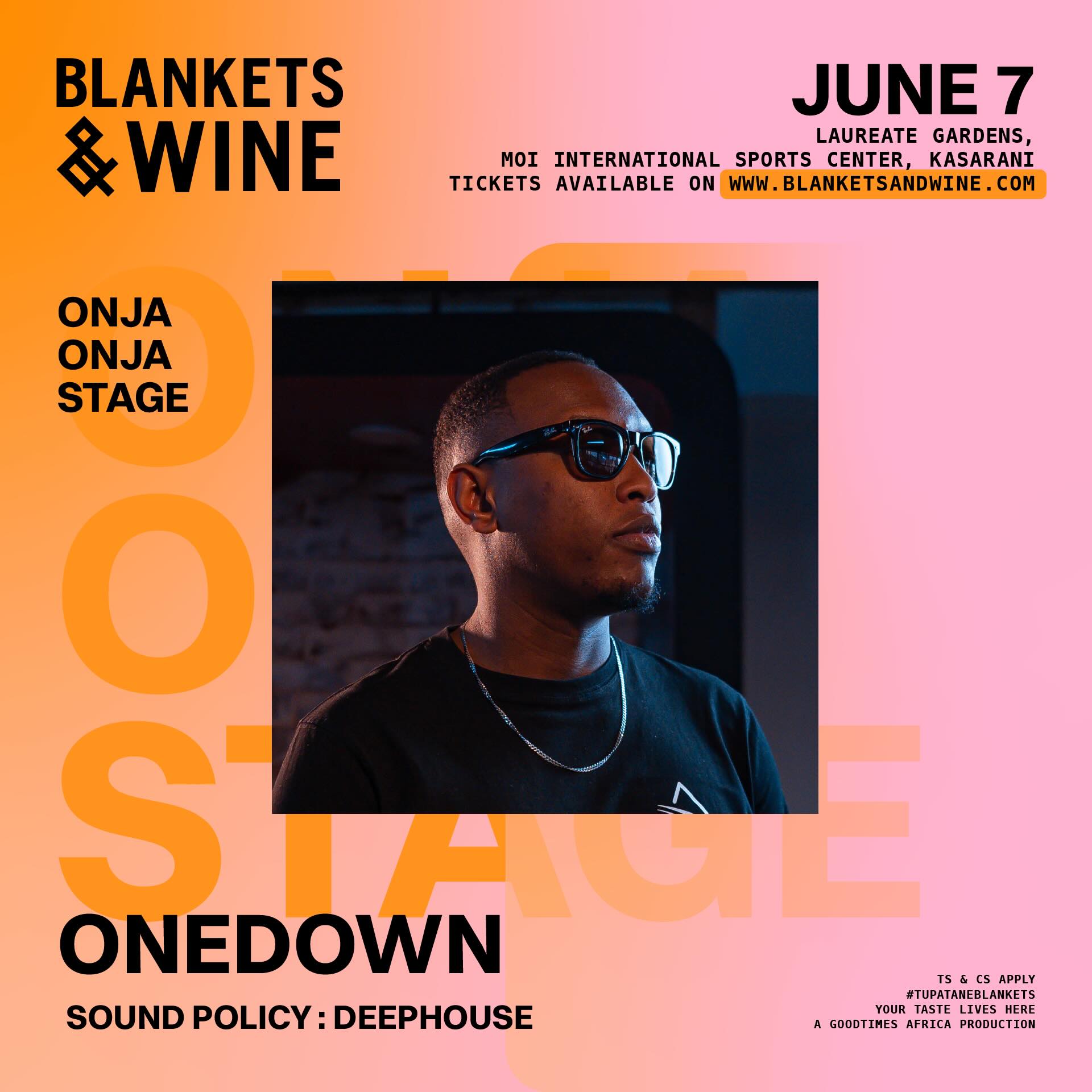
The clearest evidence of how far Onja Onja has come is the June 2026 roster. South Africa's Goldmax will headline the stage alongside Kenyan acts Hiribae, DJ IV, LA Dave, Suraj and Sir M. Audiences can expect a blend of Afro-house, Amapiano, Gqom and other electronic sounds, reflecting a broader continental influence and the growing evolution of the genre.
Each name on that list carries specific weight in the context of where East African electronic music is right now.
Goldmax is a foundational figure in Durban's Gqom scene — raw, high-energy and precise, blurring the line between the club and the street. His presence on the Onja Onja Stage is a signal: this is not a local showcase. It is a continental conversation, and Nairobi is hosting it.
Hiribae is an EA Wave collective pioneer and architect of the NuNairobi sound — his layered productions carry the DNA of his background as a trumpet player. He is one of the most genuinely original voices in Kenyan electronic music, and his presence alongside Goldmax creates an exchange between Nairobi's emerging sound and Durban's more established one.
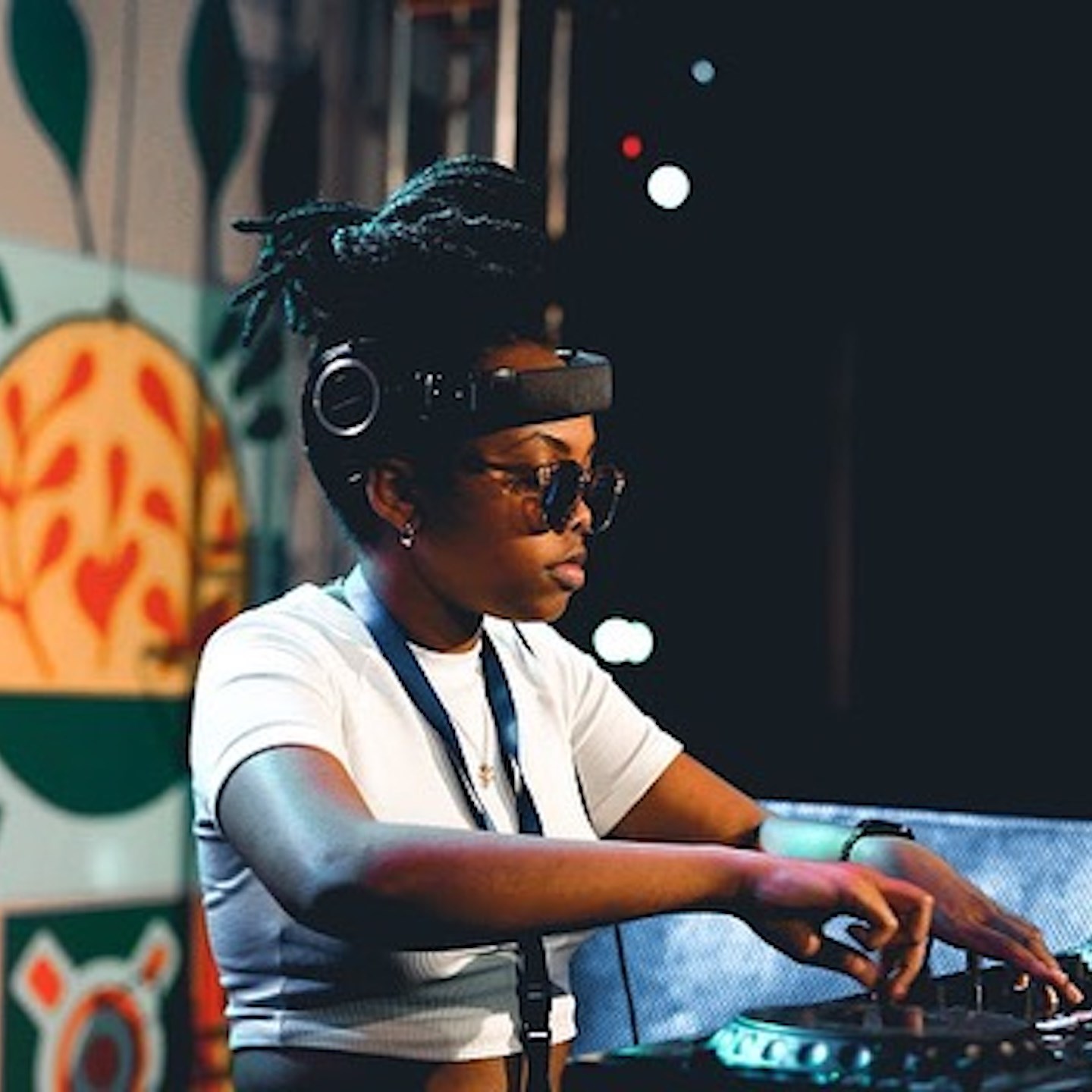
DJ IV brings infectious energy and disciplined blending across House, Techno and Amapiano — one of Nairobi's most compelling electronic voices. Notably, DJ IV also appears on the Gondwana KE 9-year anniversary lineup at Carnivore Grounds on 1 June — the week before Blankets & Wine — making her one of the most active figures in Nairobi's afro house scene this particular month.
LA Dave is a veteran of Kenya's electronic movement — his deep Afro-House sets move with the patience and intention of someone who has been building this culture since before it had a name. His inclusion alongside newer voices like DJ IV is an act of editorial curation in itself: continuity and evolution on the same stage, in the same set.
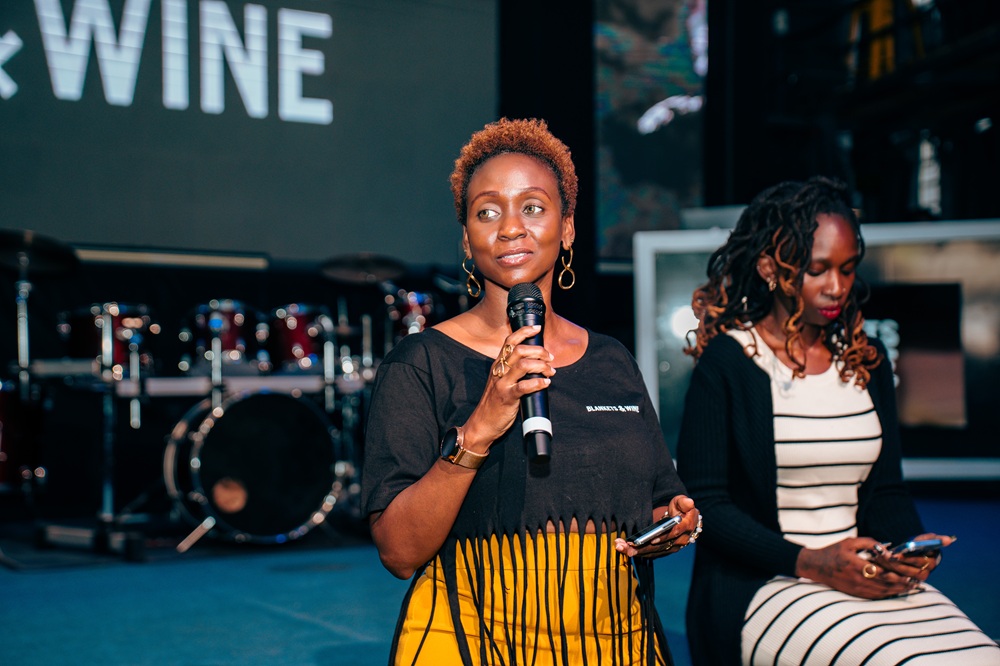
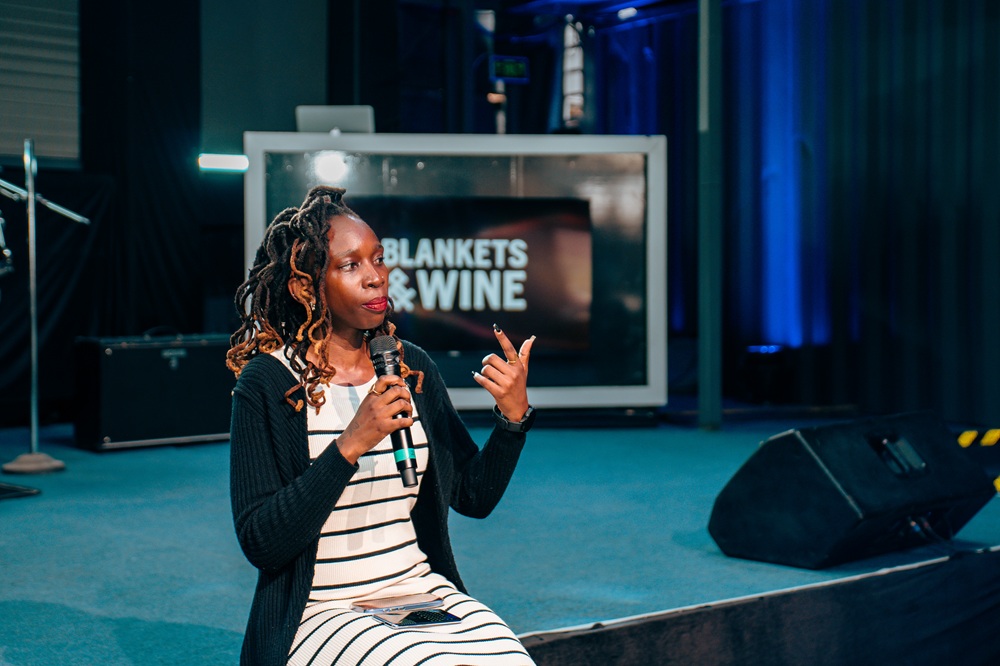
Muthoni Ndonga, founder and creative director of Blankets & Wine, is clear about what the stage's evolution represents: "Onja Onja has always been the home of the vibes at the festival. This evolution is about going deeper, giving the stage its own identity and the freedom to push the sound forward."
The Onja Onja Stage does not exist in isolation. It sits within a broader, accelerating story about the rise of afro house and electronic music in East Africa — a story that Nairobi is increasingly at the centre of.
Earlier this year, Gondwana KE — the collective most responsible for building afro house infrastructure in Kenya over the past nine years — announced a landmark anniversary event at Carnivore Grounds on 1 June, featuring a B3B with Enoo Napa, Caiiro and Da Capo: three of the most globally recognised names in the genre. That event and Onja Onja at Blankets & Wine are not competing narratives. They are the same narrative, expressed through different platforms, building toward the same conclusion: Nairobi has become a serious player in the continental and global electronic music conversation.
Since its inception, the Onja Onja Stage has developed into more than just a platform for alternative music — becoming a key curatorial space that pushes sonic boundaries within the festival. What Gondwana KE has done for afro house culture in terms of community and events infrastructure, Onja Onja has done within the mainstream festival context — normalising and elevating electronic music for an audience that might not have sought it out independently.
The two ecosystems are now feeding each other. Artists who build credibility on the Onja Onja Stage gain visibility that translates to bookings at Gondwana events and vice versa. The audience that discovered afro house through Blankets & Wine is increasingly showing up to dedicated electronic music nights. And the producers and DJs moving between both worlds are developing faster and more confidently as a result.
The Onja Onja Market: where the culture becomes commerce
The music is only half of Onja Onja's identity. The market side of the platform has evolved alongside the stage — and in 2026, it carries equal editorial weight. The Onja Onja Market returns as a curated hub for Made-in-Kenya products spanning food, fashion and creative enterprise.
Brand Manager Michelle Njeri says: "The Onja Onja Market is where 'Your Taste Lives Here' becomes something you can touch, taste and take home. Every vendor is curated with the same intentionality as the lineup — these are the brands and makers who represent where Kenyan creativity is right now."
That curatorial consistency — applying the same standard of intentionality to vendors as to artists — is what separates the Onja Onja Market from a festival market and makes it a genuine platform for Kenyan creative enterprise. The festival regularly draws between 5,000 and 7,000 people per edition. For a Kenyan small brand or food entrepreneur, a well-executed Onja Onja Market presence is one of the most valuable brand-building opportunities available in the country.
Blankets & Wine's June 2026 edition at Laureate Gardens, Moi International Sports Centre opens on Sunday 7 June. For most attendees, the draw will be the main stage — Labdi, Fave, Mejja, Mordecai, Serro, Mutoriah, Watendawili. All of them worth being there for.
But for those paying attention to where Nairobi's creative culture is actually heading — the Onja Onja Stage is the place to be. It has been building toward this moment for seventeen editions. The June 2026 lineup is the clearest statement yet that it has arrived.