Thinking of Cycling in Nairobi? Where to Ride, What to Buy, and How to Stay Safe
L
Leisure Collective
Author
238
0
0
Two Nairobis, one boom: a weekend race scene exploding in size and a quieter commuter movement organizing for road space. Here's what's driving both.
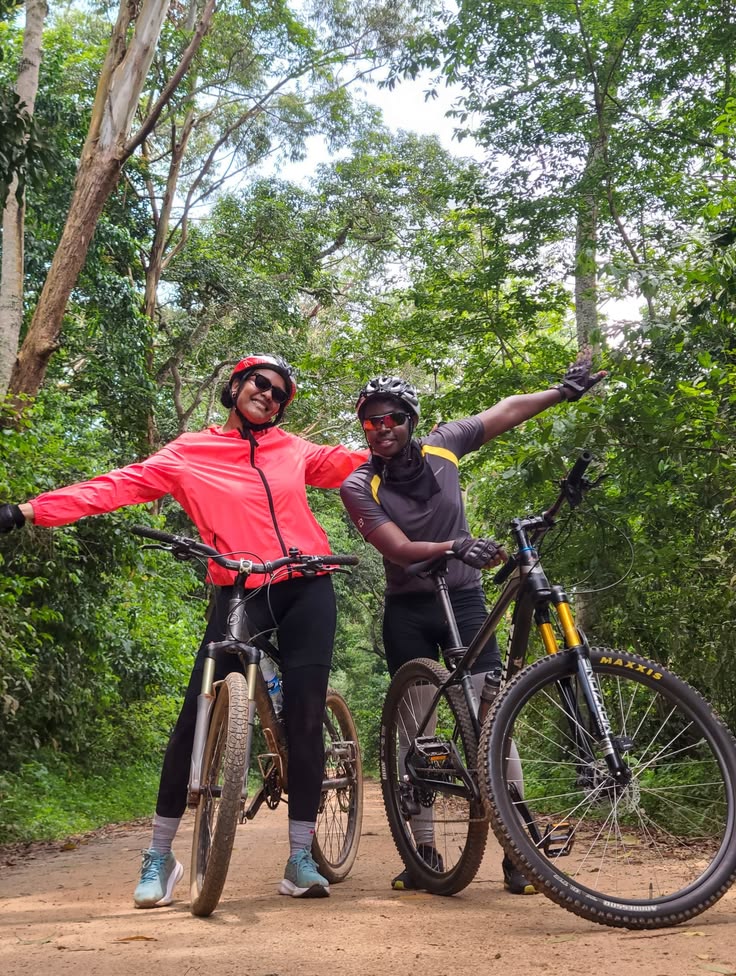
There are really two Nairobis when it comes to cycling right now. One is a weekend event scene that's exploding in size — bigger race fields, bigger sponsorship, bigger crowds every year. The other is quieter and more determined: a growing network of everyday riders who've learnt, often the hard way, how to survive roads that weren't built with them in mind.
Both are worth knowing about, and they're more connected than they first appear.
The Boom, By the Numbers
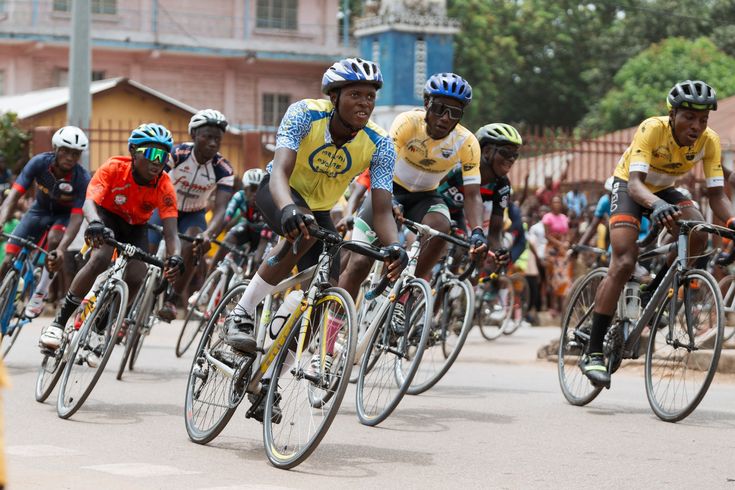
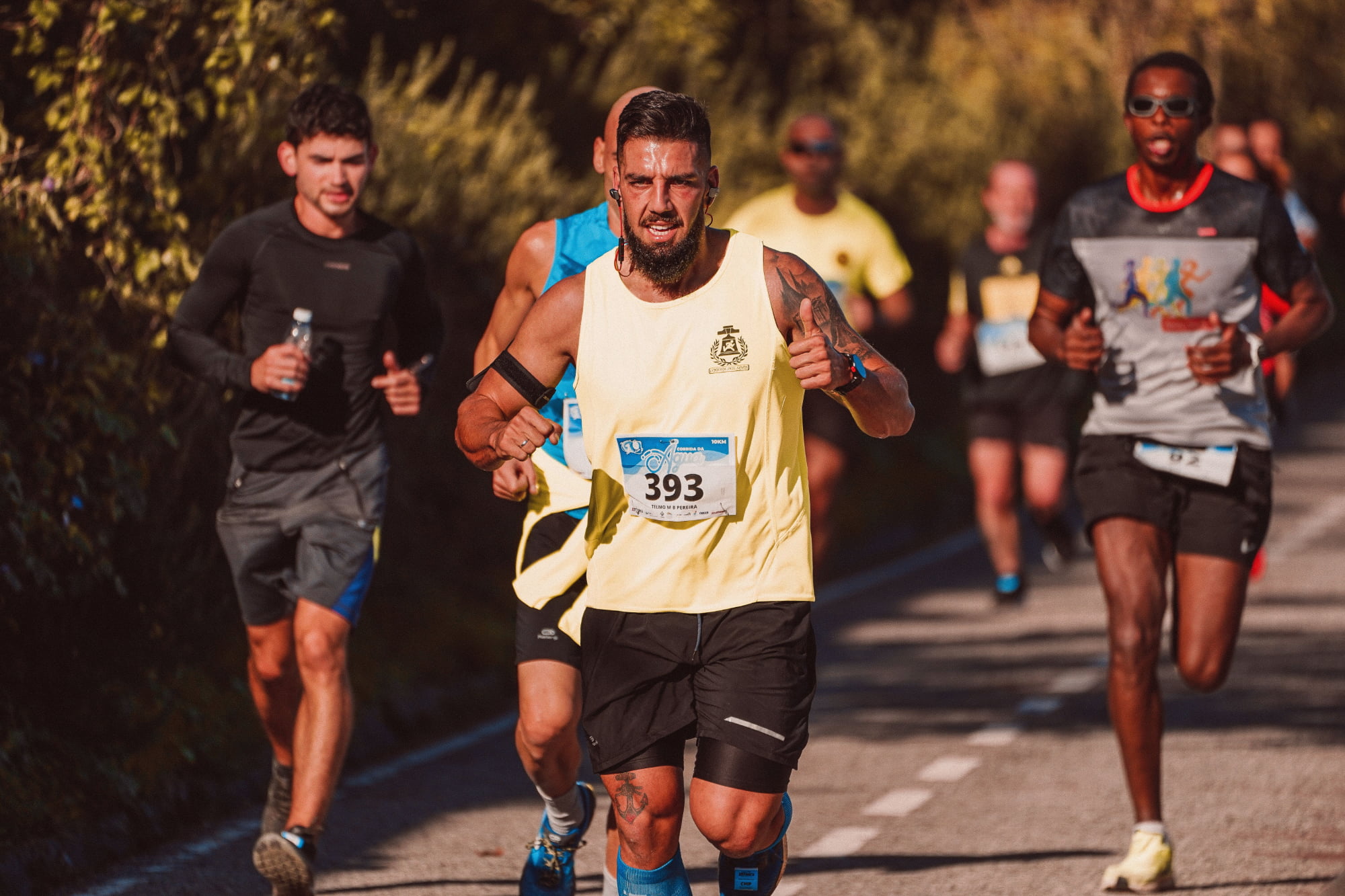
Start with the weekend scene. The Jubilee Live Free Race, Kenya's biggest cycling event, is holding its sixth edition on September 27, 2026, at a new venue — Uhuru Gardens — and organizers expect more than 5,500 participants, up from 3,387 the year before. That growth is backed by real money: Jubilee Group has increased its title sponsorship to KES 25 million this year, funding a KES 4 million prize pool plus medical and mechanical support for every rider. Categories now run from a 2km kids' race up to a 72km elite team race along a newly redesigned Southern Bypass route.
It's a genuine regional draw, too — past editions have pulled riders from Uganda, Tanzania, Burundi, and more than 30 other nationalities. What started as a 450-rider event has become one of East Africa's biggest single-day sporting fixtures.
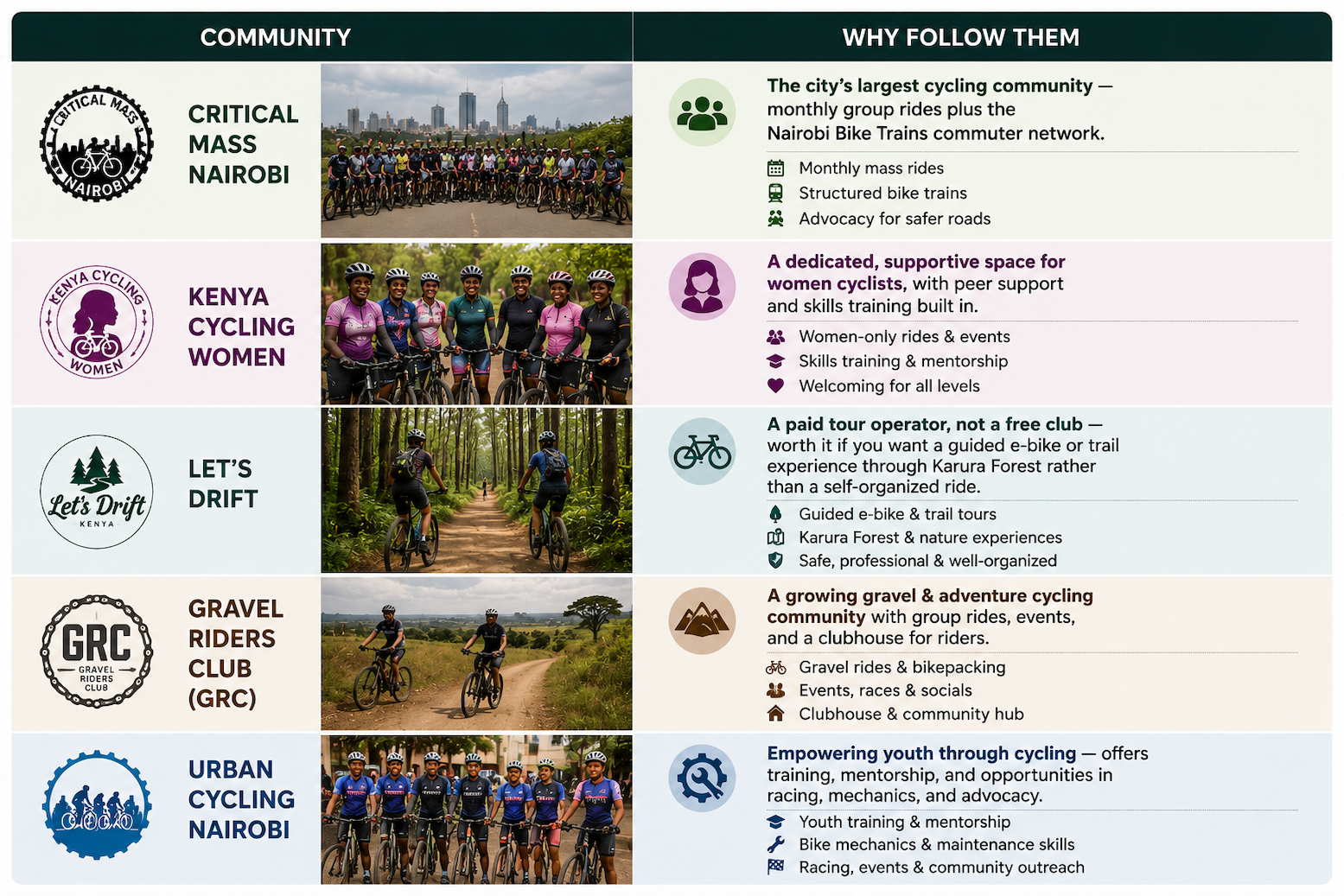
The other half of this story is less flashy but arguably more important. Critical Mass Nairobi started in 2014 with just six cyclists on a monthly group ride.
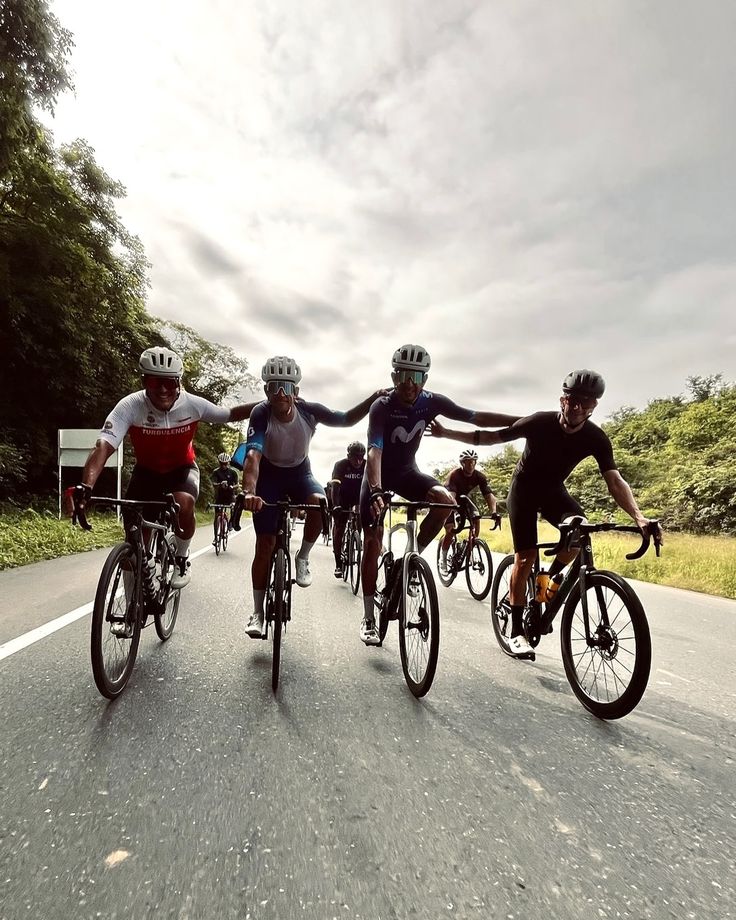
Allan Abayomi VeloNos was there from the beginning. "I was actually one of the pioneers of Critical Mass Nairobi," he says, before eventually branching out to help form his own cycling club and racing team. For Allan, group riding isn't just safer — it's simply better: "Riding in a group is much more enjoyable than riding alone," though he's honest that it "can get more stressful when you're riding with less experienced cyclists."
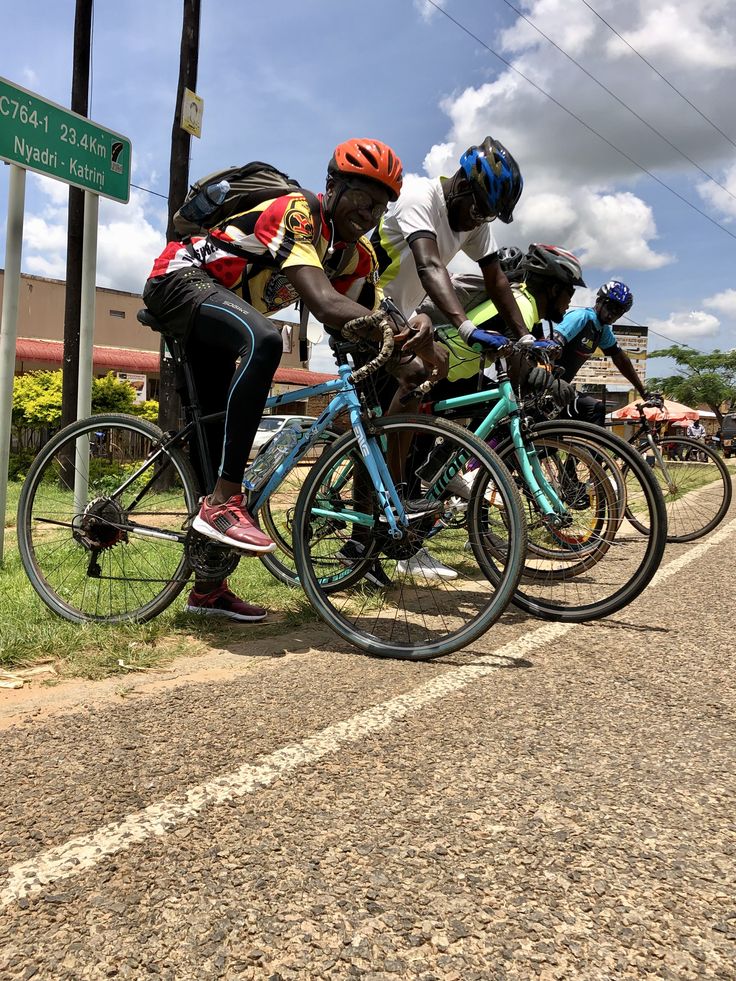
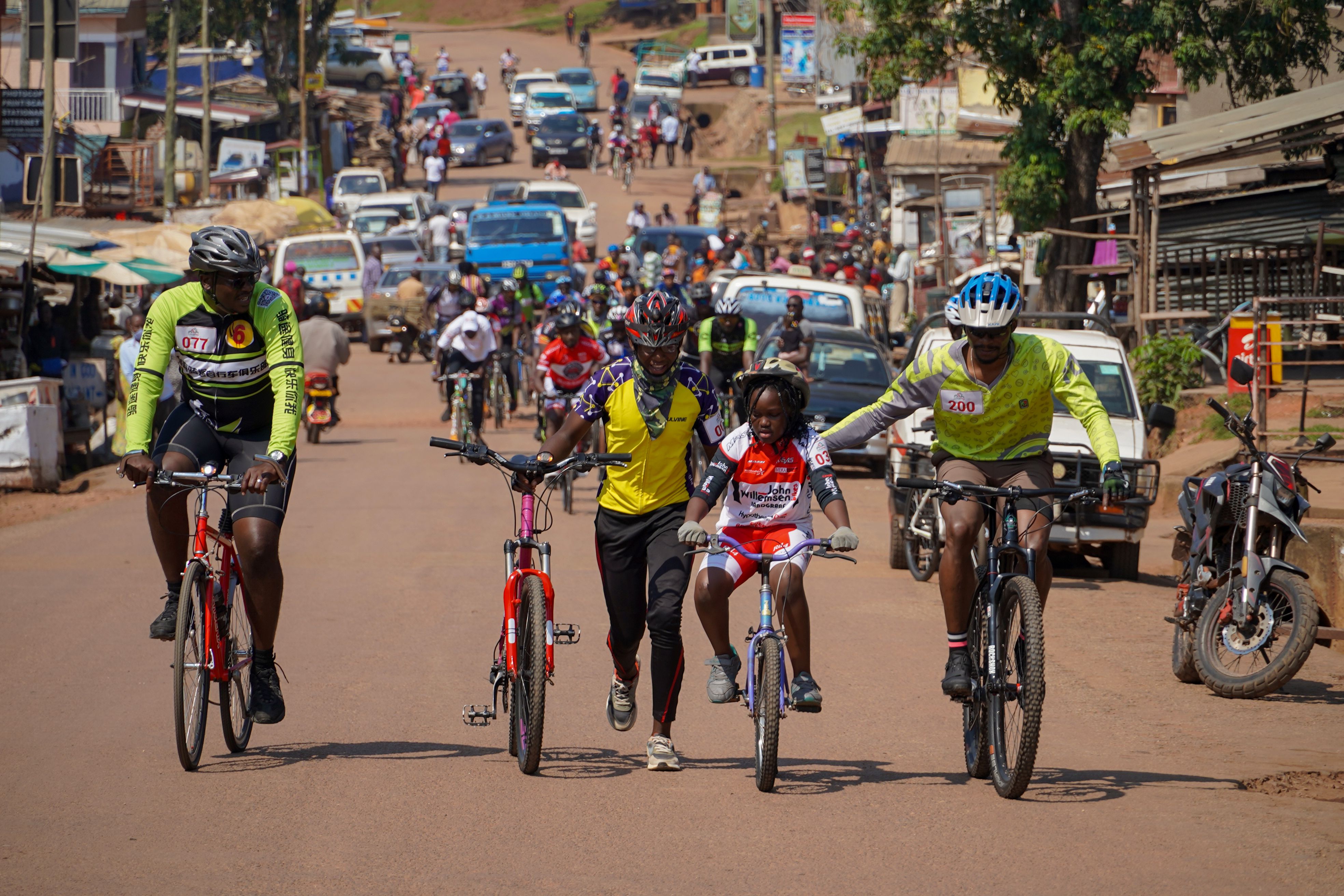
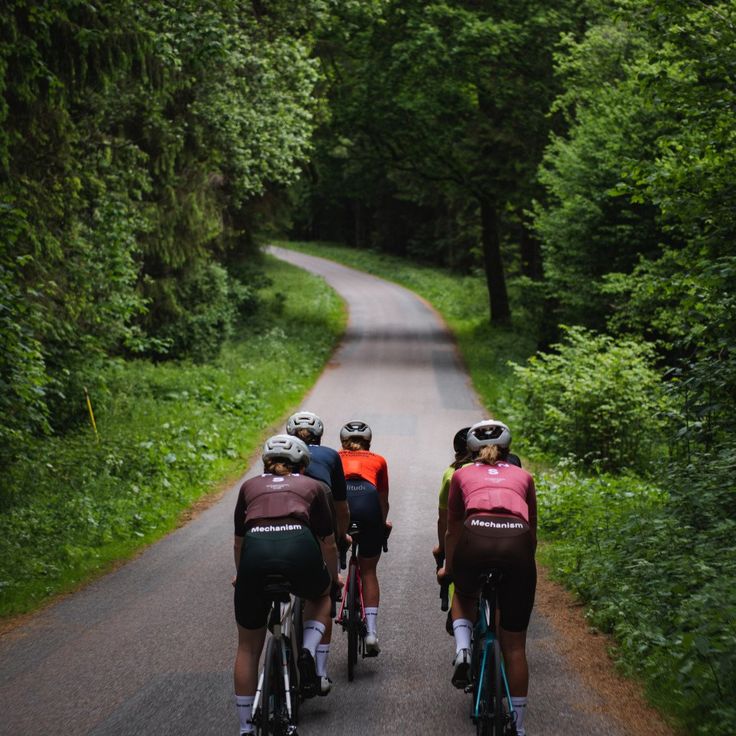
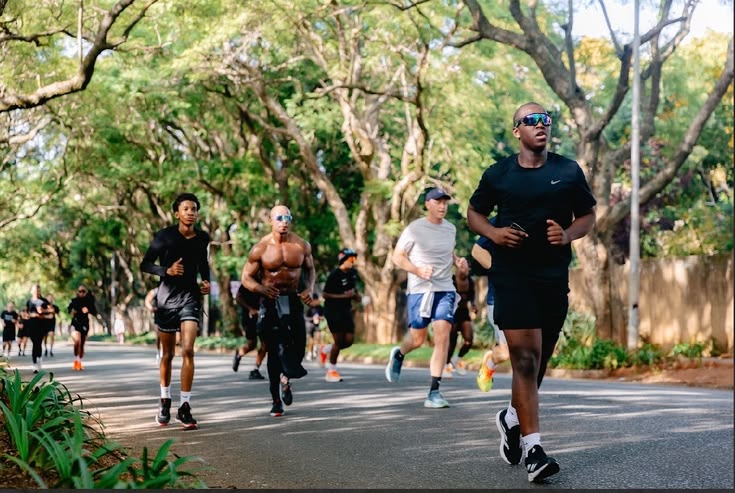
That instinct — ride together, not alone — became institutionalized in 2019, when Critical Mass launched Nairobi Bike Trains: a structured system of commuter cycling groups with set schedules, designated pick-up points, and trained captains and marshals leading the way. Cyprine Odada, who coordinates Critical Mass Nairobi, describes the model as offering safety in numbers along the city's more chaotic commuting corridors. The smallest active bike train currently has 58 members, each group assigned a captain, assistant captain, and a WhatsApp group for coordination.
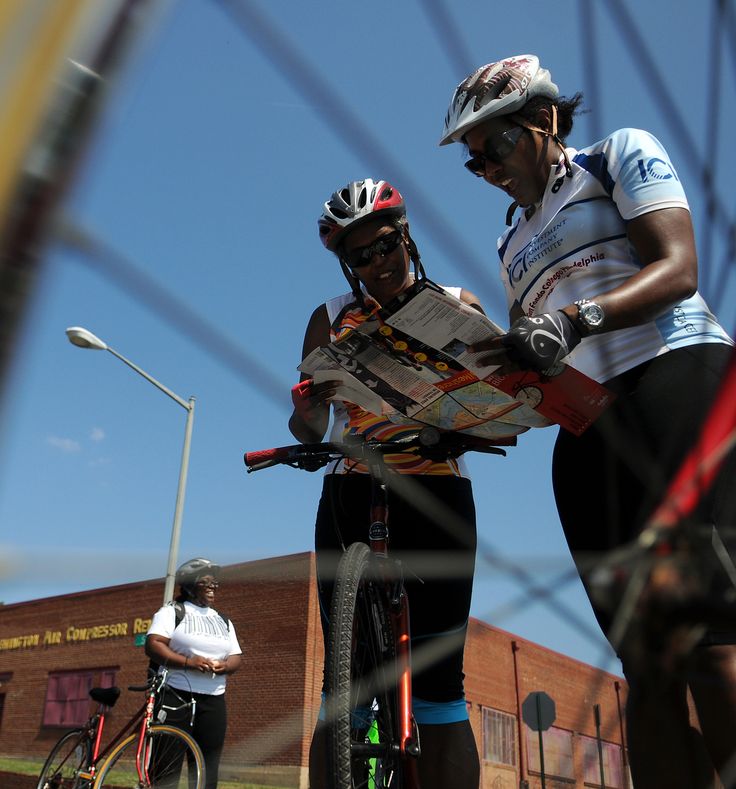
It's also deliberately trying to change who cycles in Nairobi — Odada has been explicit that bike trains actively encourage women and first-time riders to join, in a cycling culture that's historically skewed male. Kenya Cycling Women, the all-women segment of Critical Mass, grew to 163 members in 2024, offering peer support, women-only rides, and skills training.
Here's the part worth being upfront about, because the riders we spoke to were.
Donald Kimutai started cycling during the Covid period, looking for a way to stay active, and grew to love it — now riding for fitness, with short weekday rides and long Saturday sessions covering 100km or more. But his account of Nairobi's roads is sobering: he's been hit by both a motorbike and a vehicle while riding, and been robbed violently. For him, safety — especially around drivers, and more recently around targeted attacks on cyclists — is the single most stressful part of riding in this city.
Allan's had close calls of his own. He recalls a matatu overtaking him and then stopping immediately after to pick up passengers — the kind of moment that, without proper riding skills and a well-maintained bike, "could have ended very badly." His broader frustration isn't really about any one incident: "Cyclists in Nairobi have alternatives — we don't cycle because we lack options, we choose to cycle because of the benefits it brings. Roads are for people, not just cars."
Both riders' bottom line, though, is the same one Critical Mass has built its whole model around: cycling with others is genuinely safer than cycling alone, and it's currently one of the most effective tools individual cyclists have found to make the roads survivable.
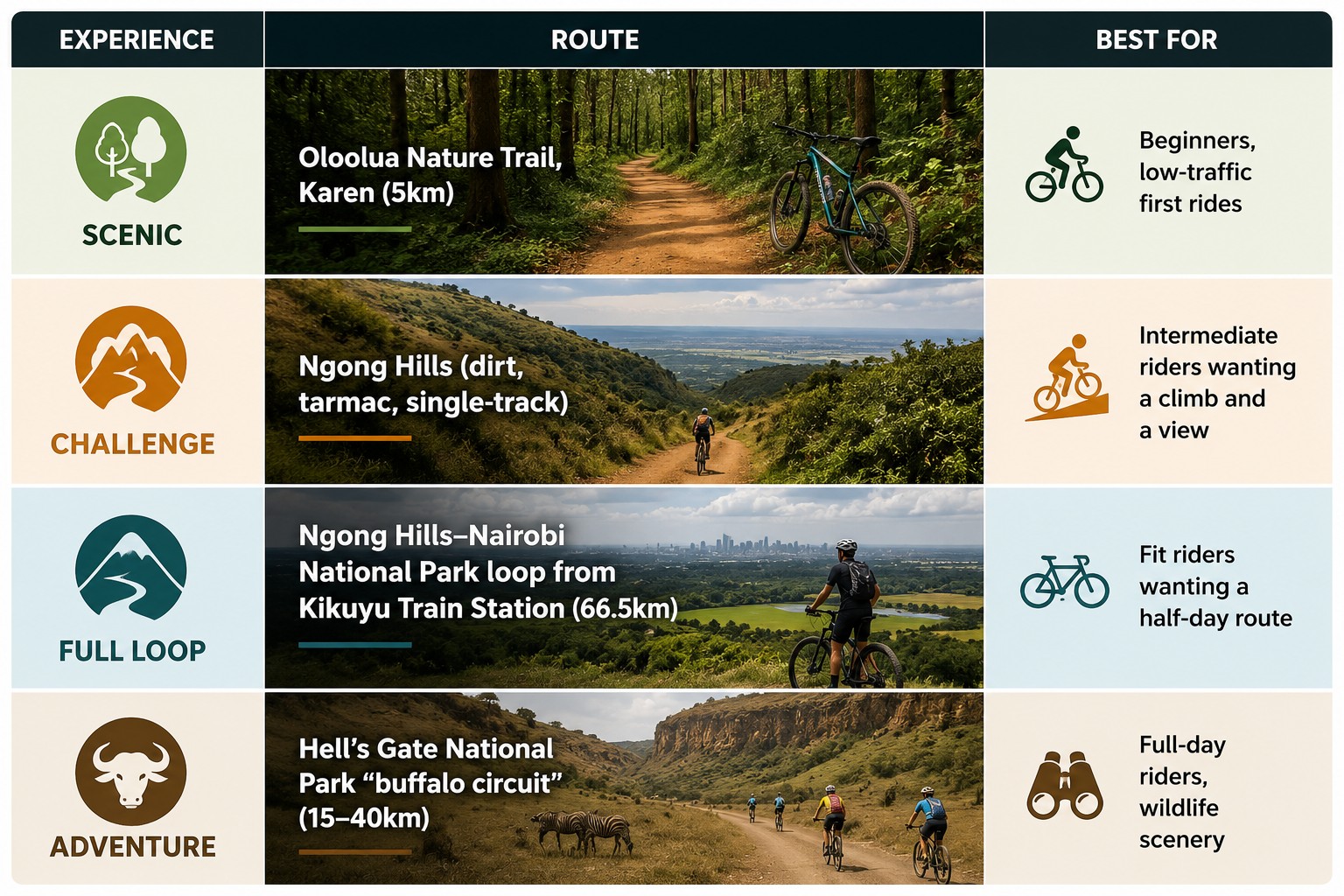
Rather than chasing a specific model, think in tiers: a lower budget generally points you toward a used mountain bike, a mid-range budget opens up entry-level hybrids built for mixed city and trail riding, and a higher budget gets you into gravel bikes suited for longer rides like the Kikuyu loop or Hell's Gate. Exact pricing shifts often on PigiaMe and similar listings, so treat this as a starting logic, not a fixed price list.
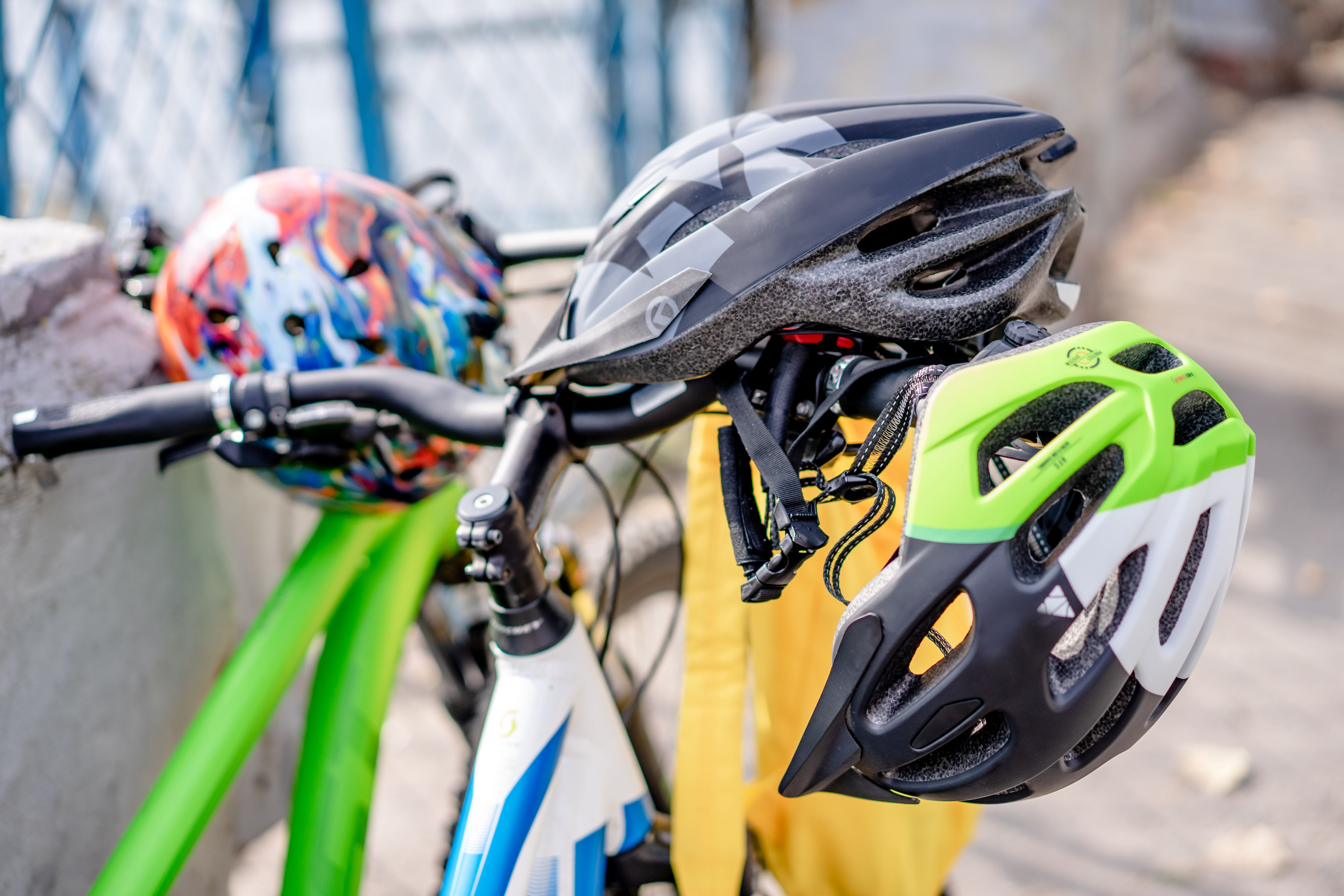
Allan's honest advice on this, looking back: don't overthink the cost. "All it takes to start cycling is a bicycle and a helmet" — everything else can wait until you know you're sticking with it.
Riding with a phone or earphones in. Donald's own mistake and his clearest piece of advice for anyone starting out: don't use your phone while cycling, and skip the earphones — you need to hear what's happening around you.
Riding without front and rear lights, even for short daytime trips
Skipping water on longer rides, especially on the Ngong Hills or Kikuyu routes
Not carrying a spare tube or knowing basic puncture repair before heading out solo
Assuming everyone on the road means well. Both riders flagged this in different ways: watch for opportunistic theft as well as reckless driving, and don't display valuables while riding.
Riding alone on unfamiliar routes before joining a group ride at least once
Best first ride: Oloolua Nature Trail Best commuter community: Critical Mass Nairobi / Nairobi Bike Trains Essential gear: Helmet, front and rear lights, lock Ideal first bike: Used mountain bike or entry-level hybrid Best day to join a group: Monthly Critical Mass ride
What Cycling Actually Gives Back
For all the honest talk about safety, both riders describe cycling as something that's genuinely changed their lives, not just their commute. Donald says it's helped his mental health and physical fitness noticeably over time — even small infections like the flu have become rare for him. Allan goes further: cycling has shaped his mood, his fitness, his friendships, and even helped set up a business, while giving him the freedom to explore nearly every corner of the country — as long as he's got a repair kit and a change of clothes.
Cycling communities in Nairobi are far better organized than they were even a few years ago, even though many roads still lack dedicated cycling infrastructure. Riders like Allan and Donald are proof that this city rewards the people willing to show up for it anyway — just not alone.