Why July is secretly the best month to visit the Maasai Mara
L
Leisure Collective
Author
200
0
0
July marks the start of the Great Migration's arrival in the Mara, with cooler weather, fewer crowds and the first crossings. Here's why this month deserves your booking.
There is a version of safari planning that says August is the month that matters. The peak of the peak, when the river crossings are most reliable and the herds are at their densest in the Mara. That version is not wrong. It is also not the only story worth telling.
July deserves a closer look — and for a particular kind of traveller, it might be the smarter booking.
What is actually happening in the Mara in July
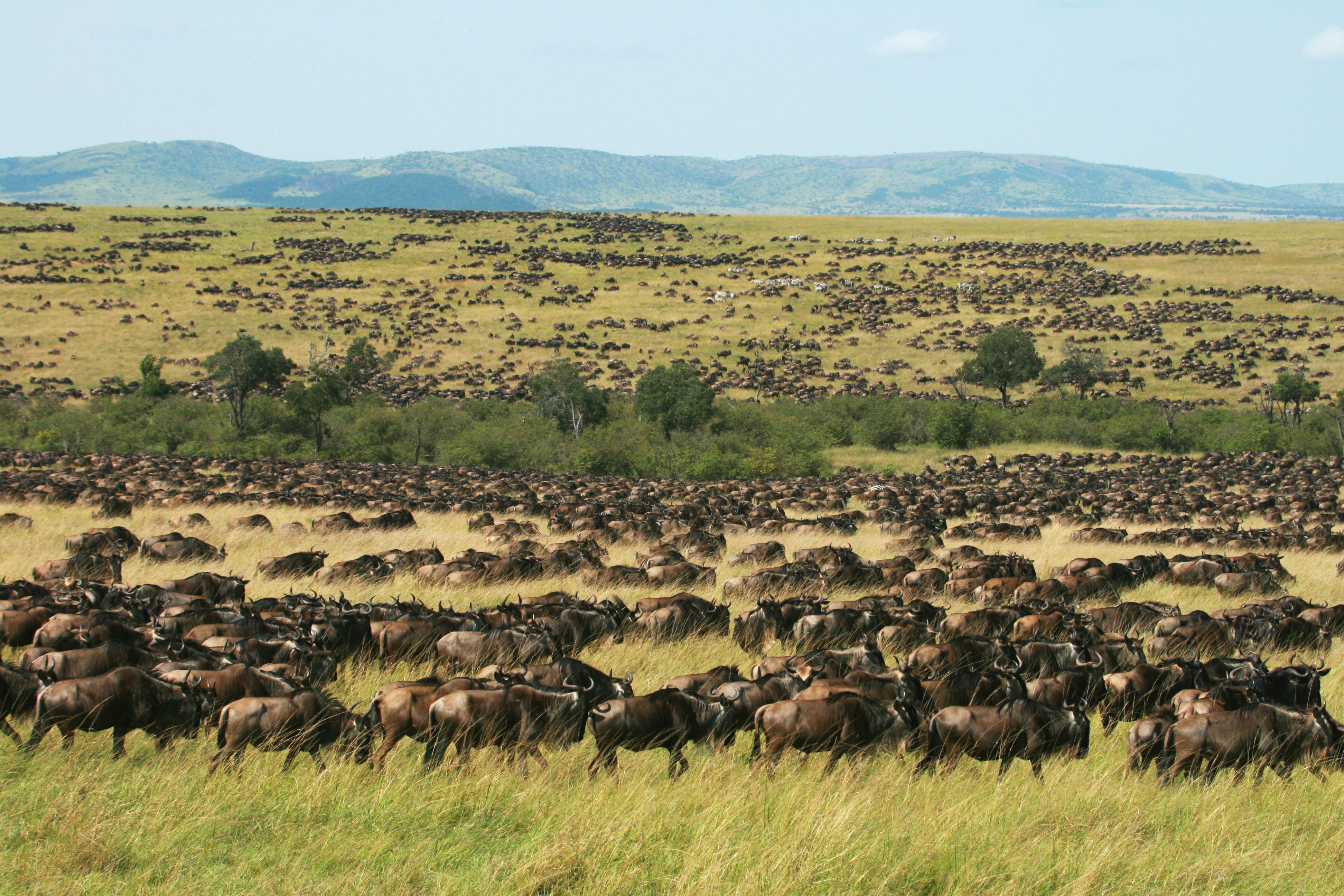
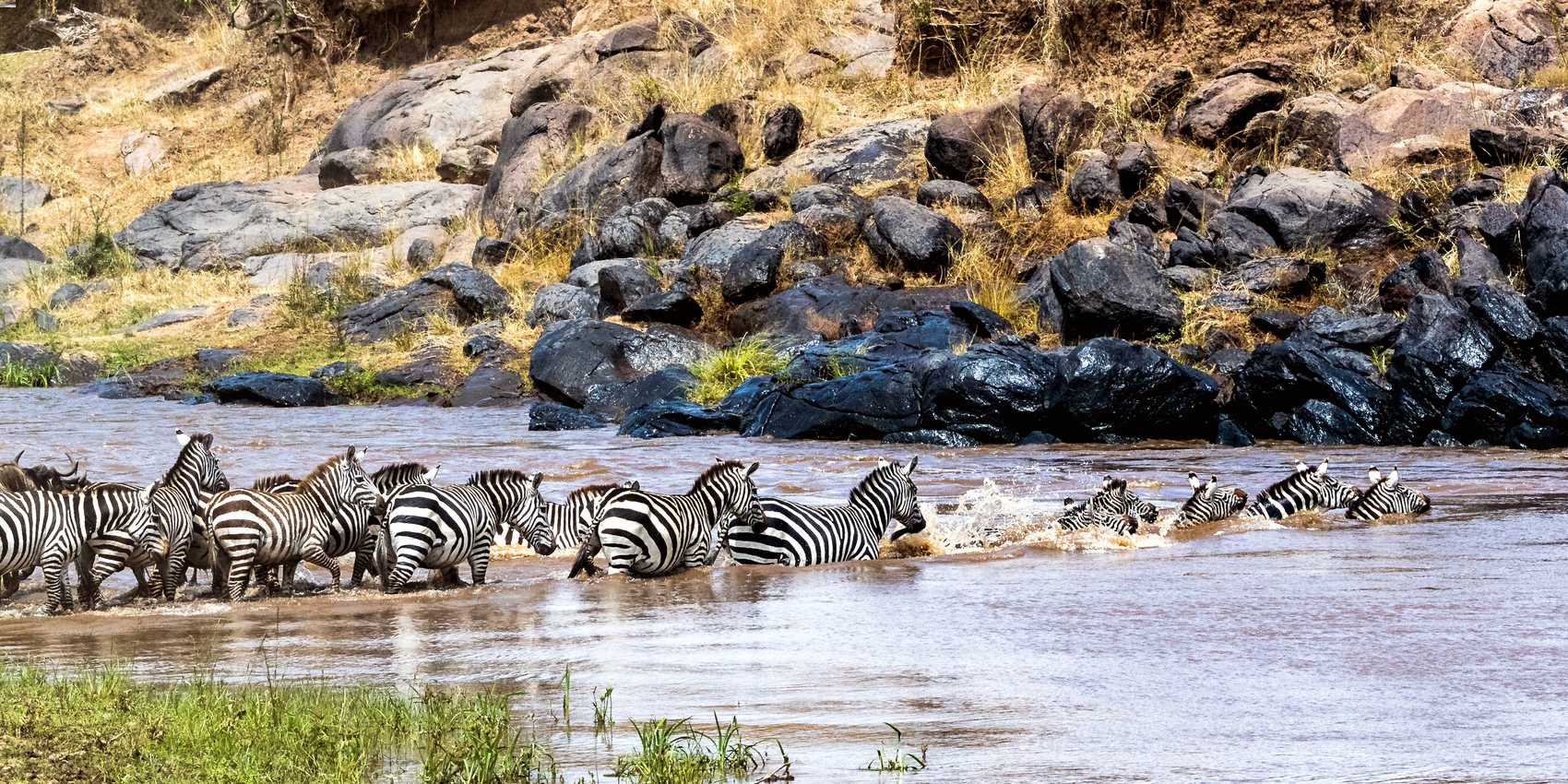
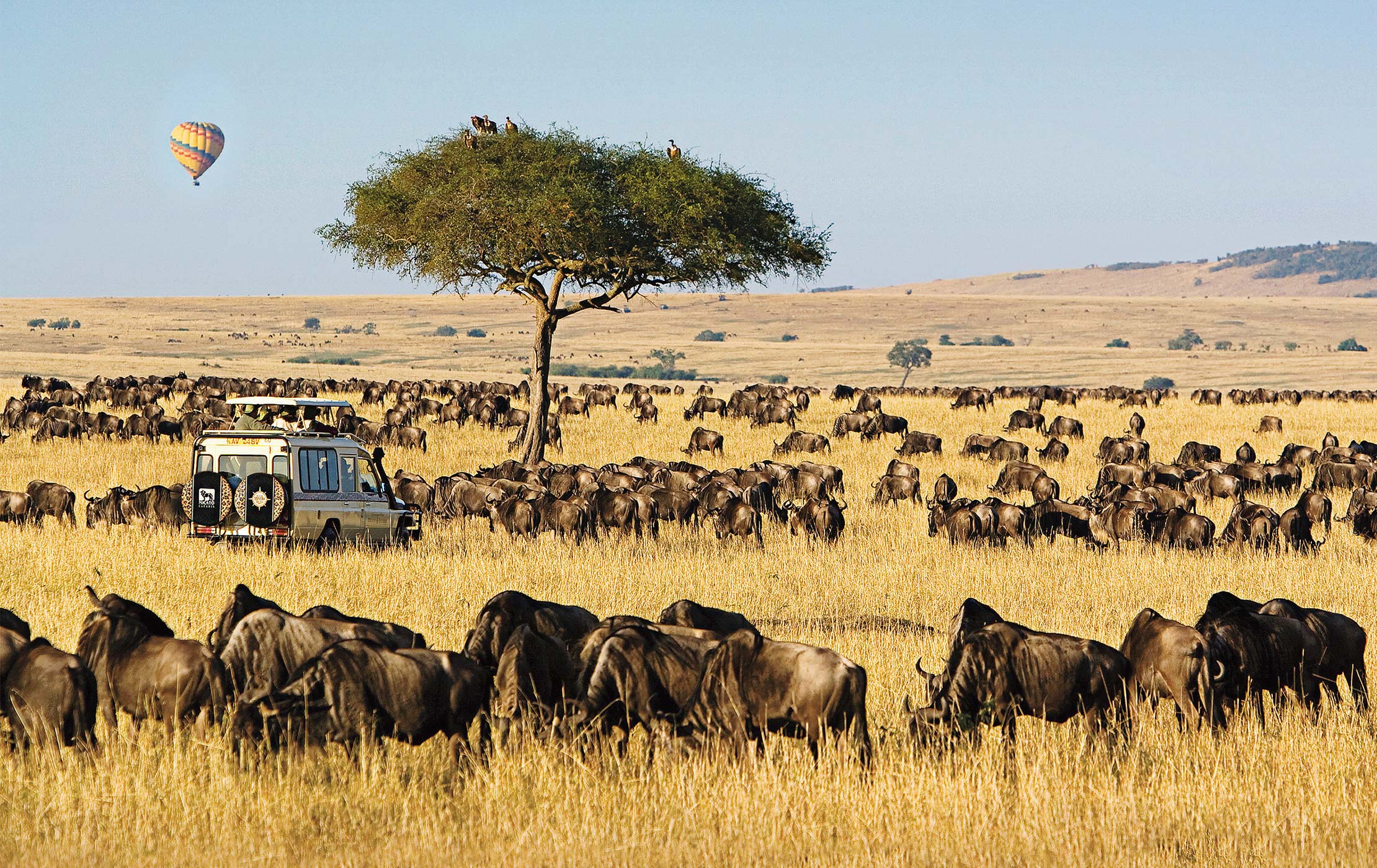
July is the curtain raiser. The vanguard of the Great Migration — usually zebras first — begins crossing the Sand River into the Maasai Mara National Reserve, with the main herds following close behind. Experts predict the so-called mega herds will be fully established in the Mara by the third week of July in 2026, arriving from the Serengeti's western corridor as the dry season pushes them north in search of fresh grazing.
Crossing odds in early July are genuinely low. The herds are still finding their footing, testing the water at the Mara River and Sand River, building toward the larger movements that peak in August and September. But by late July, activity at points like Lookout Hill and the Sand River begins picking up meaningfully, and a number of guides have reported herds arriving up to three weeks earlier than forecast in recent years following heavy late-June rains.
The honest framing: July is not the month for guaranteed crossing footage. It is the month for everything else the migration brings with it, at a fraction of the crowd.
The case for July over August
The numbers tell the real story. River crossing vehicle crowds in August can run well over 100 vehicles deep at a single point — choking dust, idling engines and a viewing experience that can feel more like traffic than wilderness. July's early arrivals draw a fraction of that volume, simply because most visitors are booking for the statistically "safer" months.
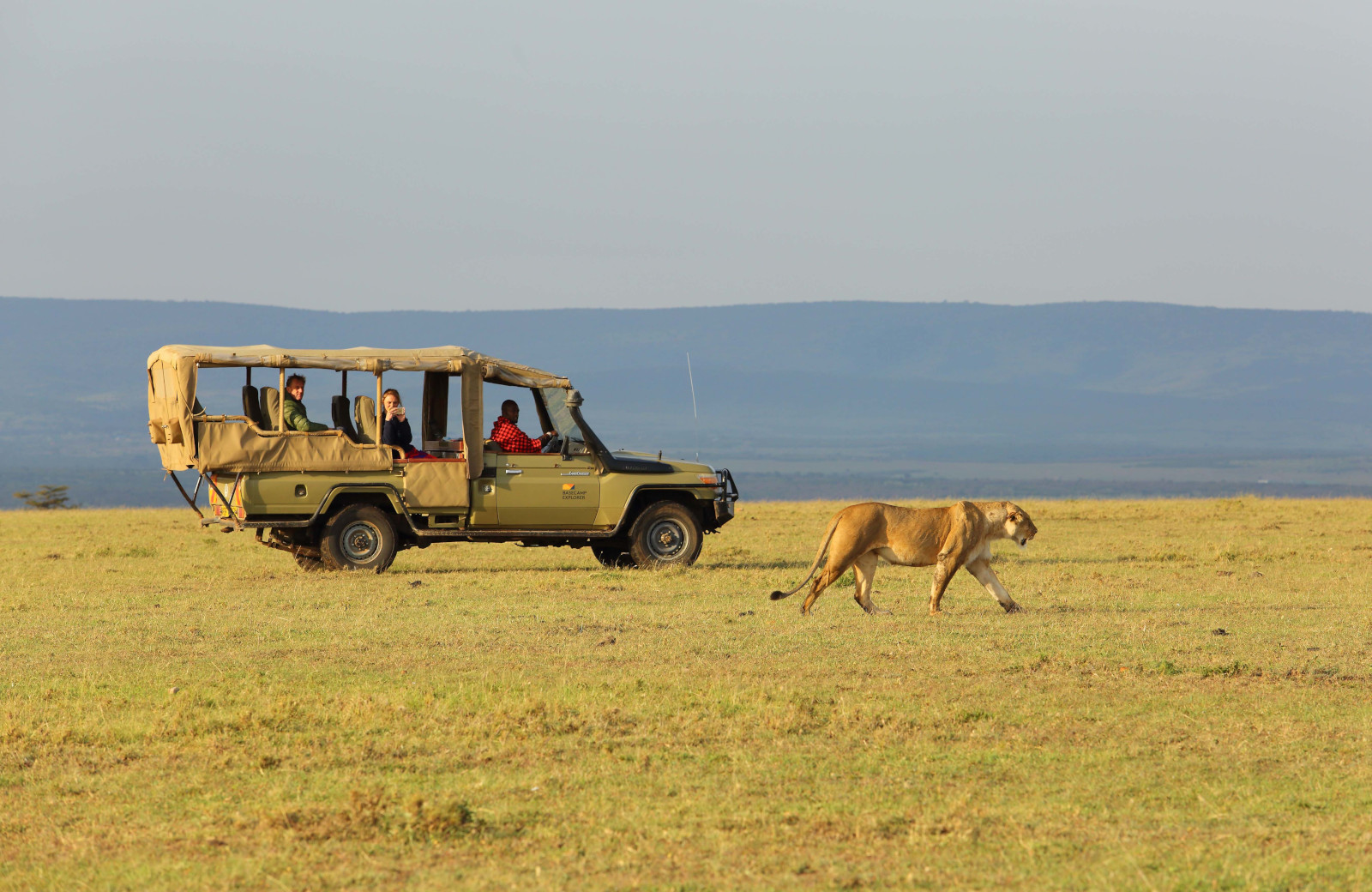
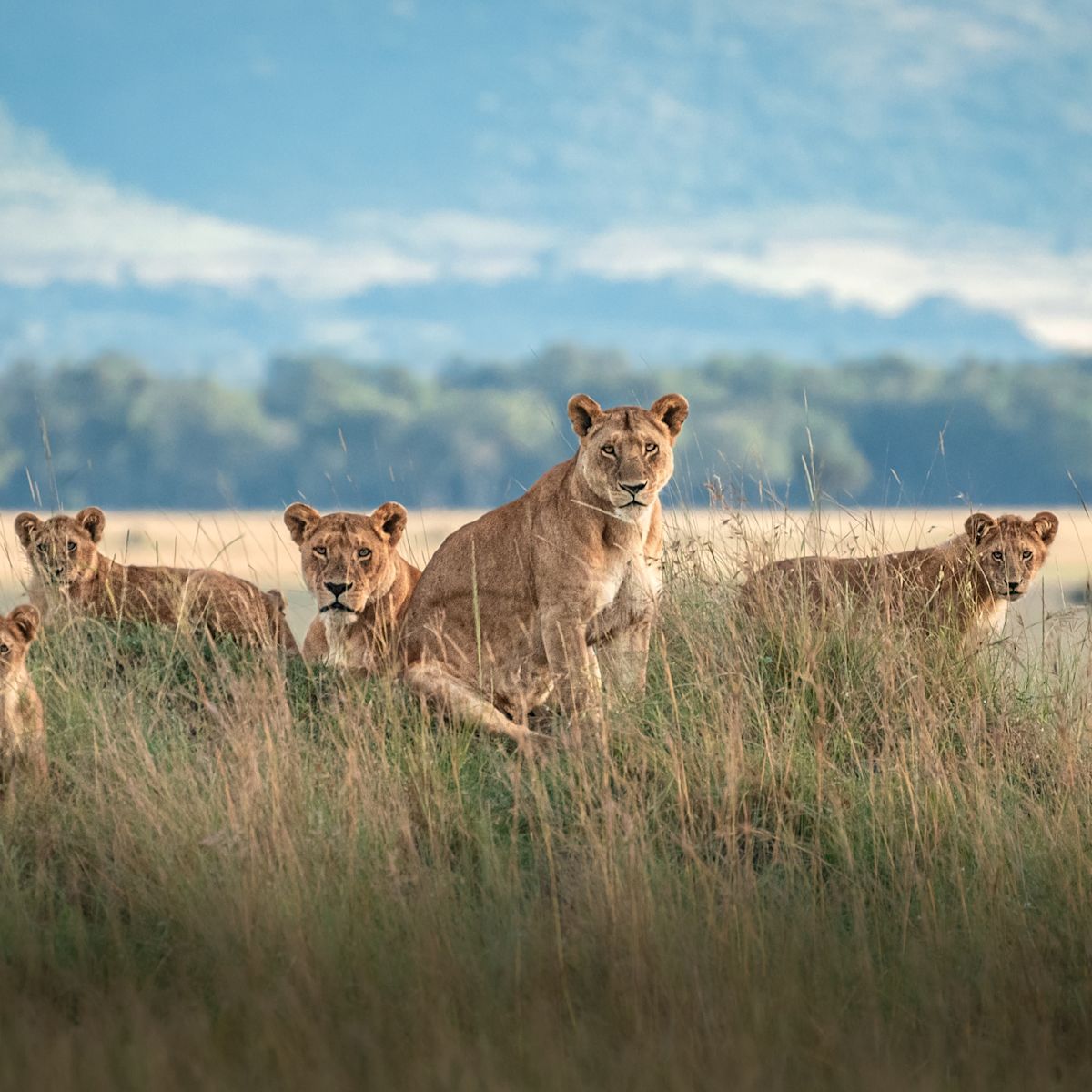
That trade-off is worth thinking through honestly. If a river crossing on camera is the singular goal of your trip, August and September remain the better bet — peak crossing activity is generally expected between 10 August and 20 September in 2026. But if you want exceptional general game viewing, tall grass at its most dramatic, predators adjusting hungrily to the sudden arrival of prey, and meaningfully fewer vehicles at every sighting, July offers something August cannot: space.
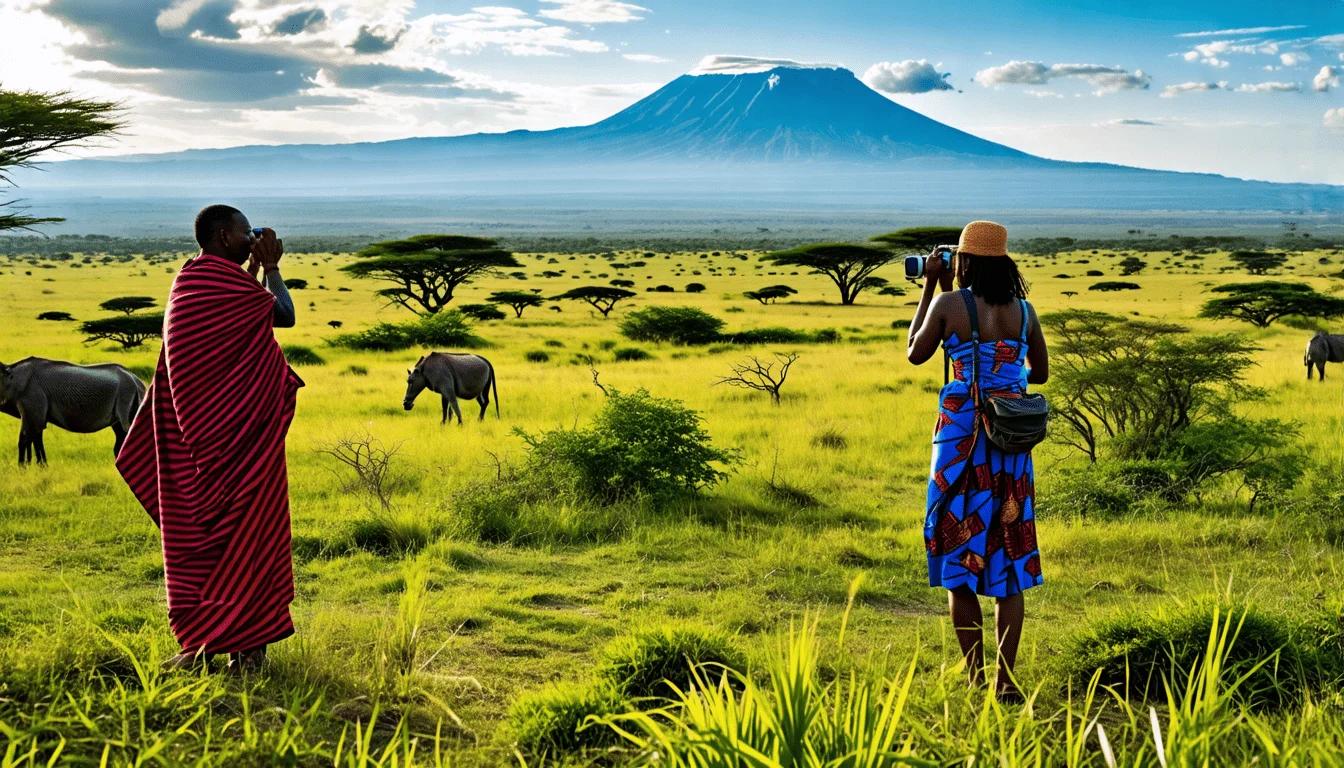
The grass itself is part of the appeal. Early in the migration season, before months of grazing have flattened the plains, the Mara is at its most visually striking — golden, tall and largely undisturbed.
The weather advantage
July also happens to be Nairobi and the Mara's most comfortable month climatically. It is the coolest, driest period of the year across Kenya's highlands — locals sometimes call it the country's "winter," with crisp mornings, clear skies and daytime temperatures that sit comfortably in the low-to-mid 20s Celsius rather than the heat of the earlier months.
Mornings in the Mara during July can dip to around 10°C, which means proper layering matters for early game drives, but the trade-off is golden, clear light for photography and far more comfortable daytime conditions than the humidity of the wetter months. Dry, cloudless skies also mean fewer washed-out game drives and significantly more reliable visibility across the plains.
What to expect, practically
Park fees through the Kenya Wildlife Service and Narok County run at a flat USD 200 per adult per day in 2026, with no seasonal discount for July despite the lower crowds — a detail worth budgeting for regardless of when you travel within the July to October window. Riverfront camps closest to the most famous crossing points do fill up quickly even for July, so booking six to twelve months ahead remains the standard advice if a specific camp matters to you.
For travellers who want flexibility without the premium pricing of riverfront properties, several private conservancies bordering the main reserve — Mara North and Olare Motorogi among them — offer a quieter, more exclusive alternative with the added benefit of off-road driving privileges that the main reserve does not permit.
Who July is actually for
July is the right month for the traveller who wants the Mara at its most photogenic and least crowded, who is genuinely interested in the full ecosystem rather than a single dramatic moment, and who is comfortable with the idea that nature does not operate on a fixed schedule. It rewards patience and curiosity over a checklist.
If you are building a Kenya itinerary around the cooler, drier conditions of the month — and pairing it, perhaps, with the kind of cosy, fireside evenings that define a Kenyan highland July — there is a strong case that this quieter chapter of the Great Migration story deserves more attention than it usually gets.
:max_bytes(150000):strip_icc()/GettyImages-906759050-2184f8cd91e94f749b7251a37575ef23.jpg)