What "Eating Healthy" Actually Costs In Nairobi In 2026 — And How To Do It Anyway
L
Leisure Collective
Author
335
0
0
Wellness content tells you to eat more vegetables, buy whole grains, and cut processed food. In Nairobi in 2026, the vegetables got more expensive and the processed food got cheaper. Here's what eating healthy actually costs — and what to do when the budget is tight.
Here is the version of healthy eating advice that nobody gives you:
Go to any wellness account. They'll tell you to eat more vegetables, cut processed food, choose whole grains, add protein to every meal. Good advice in theory. But in Nairobi in 2026, the bunch of sukuma wiki that cost Sh15 two years ago is now Sh25 to Sh30. The tomatoes you need for the stew? Up 30.3% year-on-year, according to KNBS data. Maize flour up 13.2%. Sugar up 12.5%.
Healthy eating advice that doesn't account for the Nairobi cost of living is not useful advice. It's a fantasy designed for a different budget.
So let's do this properly. What does eating healthily actually cost here, right now — and what do you do when the numbers don't add up?
The Real State of Nairobi Food Prices in 2026
The Kenya National Bureau of Statistics confirmed that as of December 2025, food and non-alcoholic beverages contributed 2.4 percentage points to Kenya's overall inflation. The items hitting households hardest were the ones that form the backbone of everyday Kenyan cooking.
Tomato prices rose 30.3% year-on-year, followed by sukuma wiki at 23.4% and mangoes at 23.1%, making them the biggest contributors to food inflation. Other notable increases included maize flour at 13.2%, loose maize grain at 12.6%, sugar at 12.5%, and Irish potatoes at 8.3%.
Real people are feeling this. Shoppers like Atieno Agollah in Nairobi are noticing weekly grocery bills creeping higher.
"Right now, here in Wanginge, we buy a bunch of sukuma wiki for Sh25, but in the outskirts it's selling at Sh30. Last year the prices were around Sh20, or even Sh15 a bunch," she says.
There is some relief on the way: the CBK's May 2026 Agriculture Survey projects that vegetable prices, including sukuma wiki, spinach, and other traditional vegetables, are expected to decline due to increased supply following favourable rainfall during the March-May long rains season. But the strongest expectations for price increases remain concentrated on processed and staple goods — sugar, cooking oil, wheat flour, and maize flour — meaning the staple-food squeeze isn't going anywhere soon.
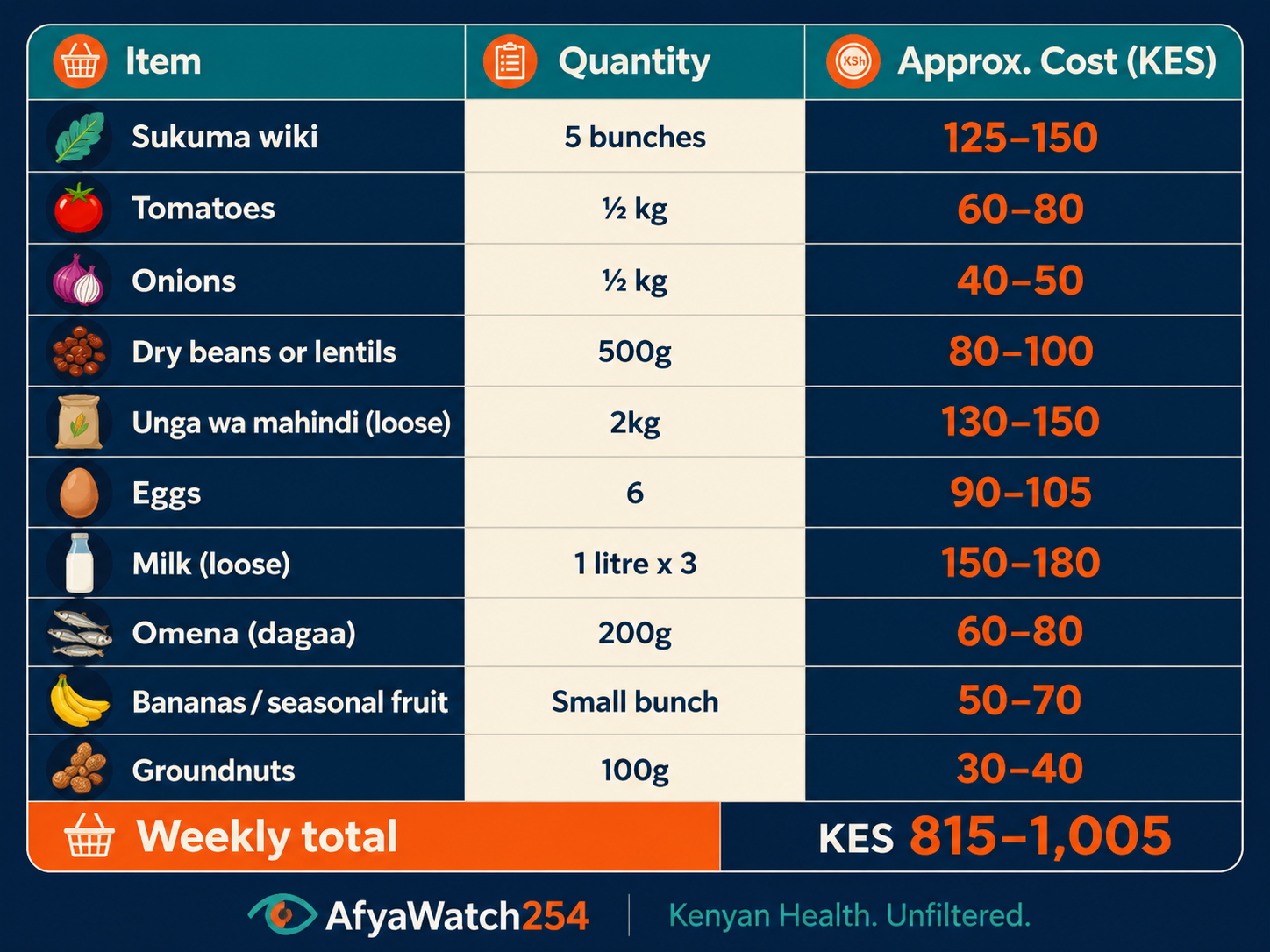
That is roughly KES 3,500–4,000 per month for one person eating a whole-food, nutritious diet. For a family of four, multiply accordingly – and account for the fact that buying in larger quantities at the market is cheaper per unit than buying small at a kiosk.
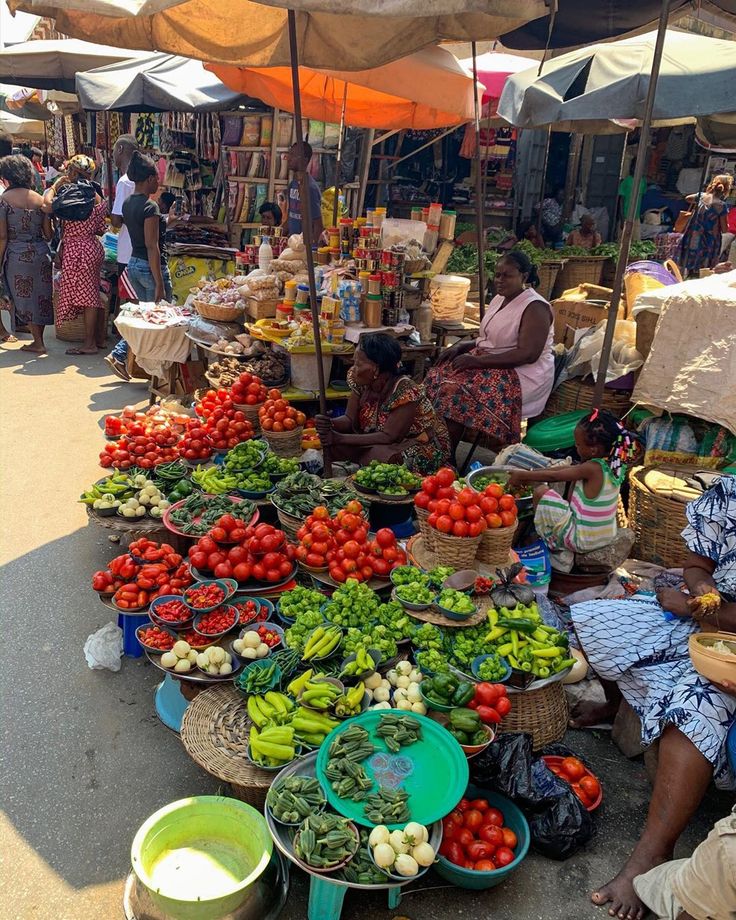
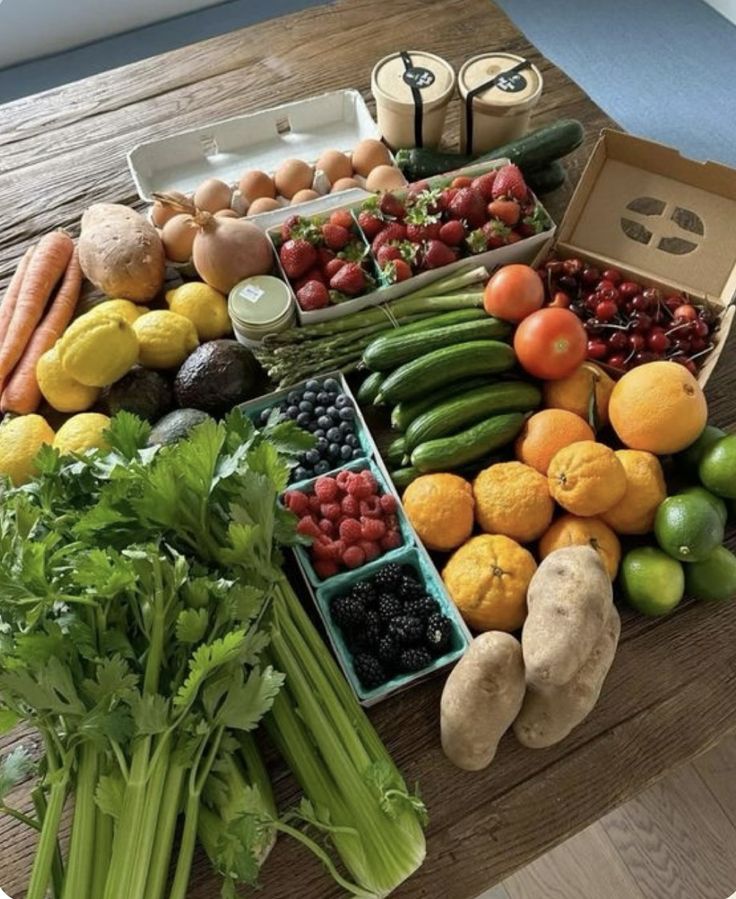
The supermarket equivalent of the same basket would run 30–50% higher. This is why the open-air market — Gikomba, Kangemi, Muthurwa, Toi, and your nearest estate market — is the most powerful nutritional tool available to most Nairobi households.
Where People Go Wrong (And Where Processed Food Wins)
Ultra-processed food is winning the affordability argument in Kenya's urban areas right now — and it's not an accident.
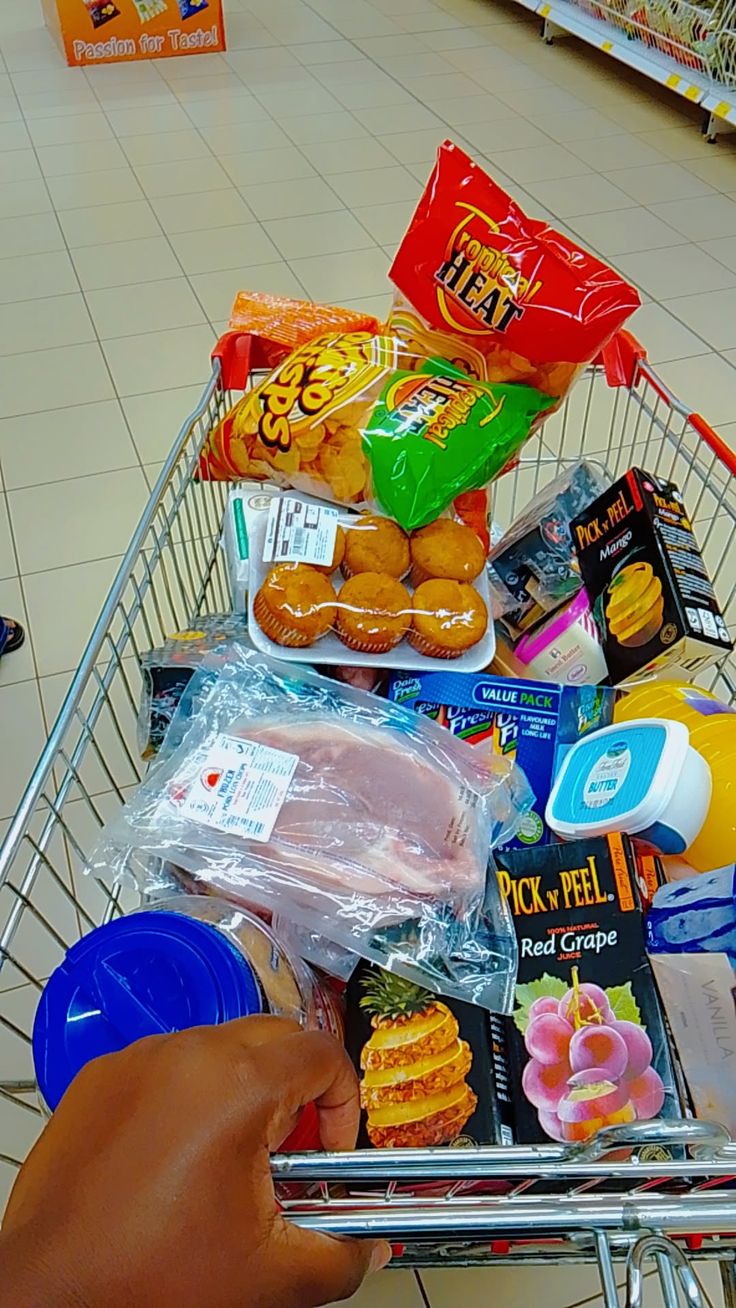
A packet of mandazi from a kiosk is 10 shillings. A pack of instant noodles is Sh 35. A 500ml soda is cheaper and more available than a glass of fresh juice almost anywhere in Nairobi. These foods are designed to be convenient, cheap, and satisfying in the moment — and they are aggressively marketed, including around schools in Nairobi and Mombasa.
The problem is not willpower. It's infrastructure and time. A mother who leaves the house at 6am and returns at 8pm does not have the bandwidth to soak beans overnight, wash three bunches of sukuma, and cook a balanced meal from scratch every evening. Healthy eating advice that ignores this reality is not just unhelpful — it's insulting.
Practical Strategies That Actually Work In Nairobi
Buy dry, not processed. Dry beans, lentils, green grams (ndengu), and cowpeas are among the cheapest, most nutritious foods available in Kenya. They are high in protein, fibre, and iron. A 500g packet of ndengu costs around KES 80–100 and can make meals for 3–4 days. Cook a large batch on Sunday. Refrigerate or reheat across the week.
Make omena your protein. Omena (dagaa/silver cyprinid) is one of the most nutritionally dense and affordable animal proteins in Kenya. It is rich in calcium, omega-3 fatty acids, protein, and iron. At KES 60–80 per 200g, it stretches further than beef at KES 400–600 per kg. It is underrated and underconsumed outside certain regions.
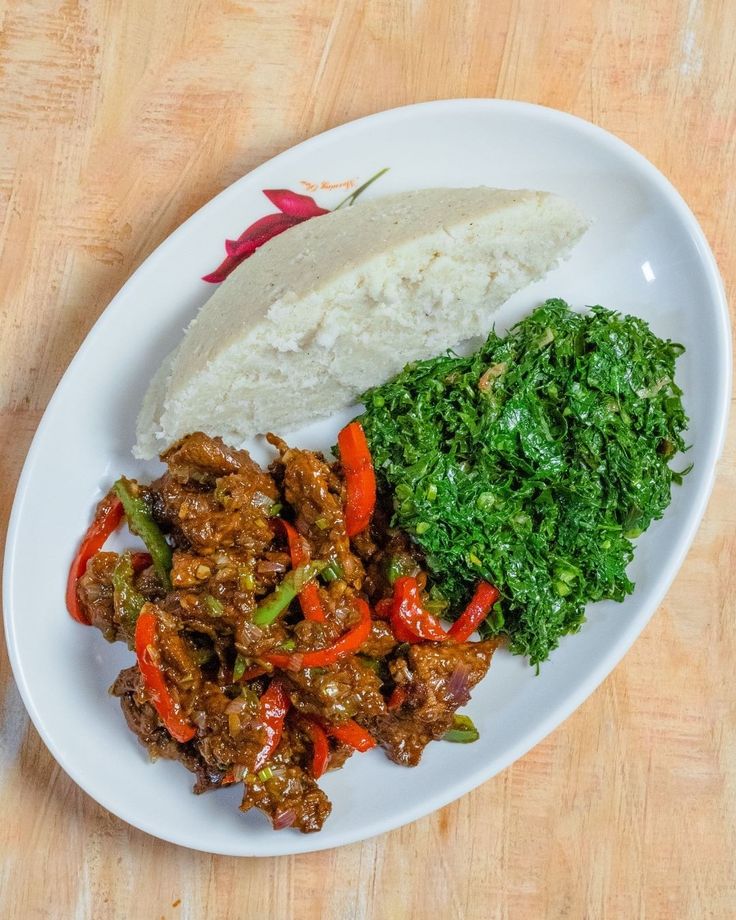
Rotate your greens. Sukuma wiki is the go-to but when prices spike, rotate to managu (African nightshade), terere (amaranth), or mrenda — all cheaper during peak season, all more nutrient-dense than sukuma by most measures. They are not poor people's vegetables. They are some of the most micronutrient-rich foods on the continent.
Buy fruit in season. Mangoes in mango season are Sh5–10 per piece. Pawpaw is almost always affordable. Passion fruit from a roadside vendor costs far less than the supermarket. Avoid fruit marketed as "exotic" or "imported" — it is more expensive and no more nutritious than local seasonal produce.
Cook more than you need. Batch cooking is not a trend — it is a time and money strategy. Cooking a large pot of githeri, beans, or ugali and eating it across multiple meals costs less per serving and saves gas and time. It also means healthy food is available when you are too tired to cook.
Eat before you shop. This is not a joke — it is behavioural economics. Hunger-shopping increases impulse purchases of processed, expensive foods. Shop on a full stomach with a list.
If you are buying most of your food at Nairobi supermarkets, you are paying a premium that is not reflected in nutritional value. The same sukuma wiki available at your estate market for Sh25 a bunch costs Sh80–100 per kilogram at a supermarket. Packaged, pre-cut vegetables cost three to five times more than loose produce.
Supermarkets have their place — for specific packaged goods, cereals, or dairy that are harder to find in markets. But as the primary source of fresh produce for a household watching its spending, they are an expensive choice.
AfyaWatch254 Says: Healthy Eating Is a Systems Problem, Not a Willpower Problem
When sukuma wiki rises 23% in a year and ultra-processed snacks stay cheap and available on every street corner, the problem is not that Nairobians don't know vegetables are good for them.
The problem is that the food environment in Kenya is increasingly designed to make processed food the easy choice — through pricing, availability, and aggressive marketing — while whole foods become aspirational.
Eating well on a Nairobi budget in 2026 is possible. It requires market shopping over supermarket shopping, batch cooking over convenience eating, and local traditional foods over imported "health" products. None of this is effortless — but it is far cheaper than the supplements and detox products being sold to the same audience.
Your ugali and ndengu are not a compromise. They are a nutritional foundation. Build on them.
→ Quick reference: Most nutritious affordable foods in Nairobi right now