Dengue Is in Kenya Right Now — And Most People Think It's Just Flu
L
Leisure Collective
Author
315
0
0
Kenya has a dengue outbreak. 1,679 confirmed cases, three counties, and a US health alert issued this week. Most people getting sick right now think it's flu — and some are taking medicine that could kill them.
There is a dengue outbreak in Kenya right now.
It started in Garissa County in January 2026, spread to Wajir, and has now reached the coast. By early July, WHO had confirmed 1,679 cases. On August 3, the US Embassy in Nairobi issued a health alert. The CDC put Kenya back on its global dengue watch list.
None of that is what worries us most.
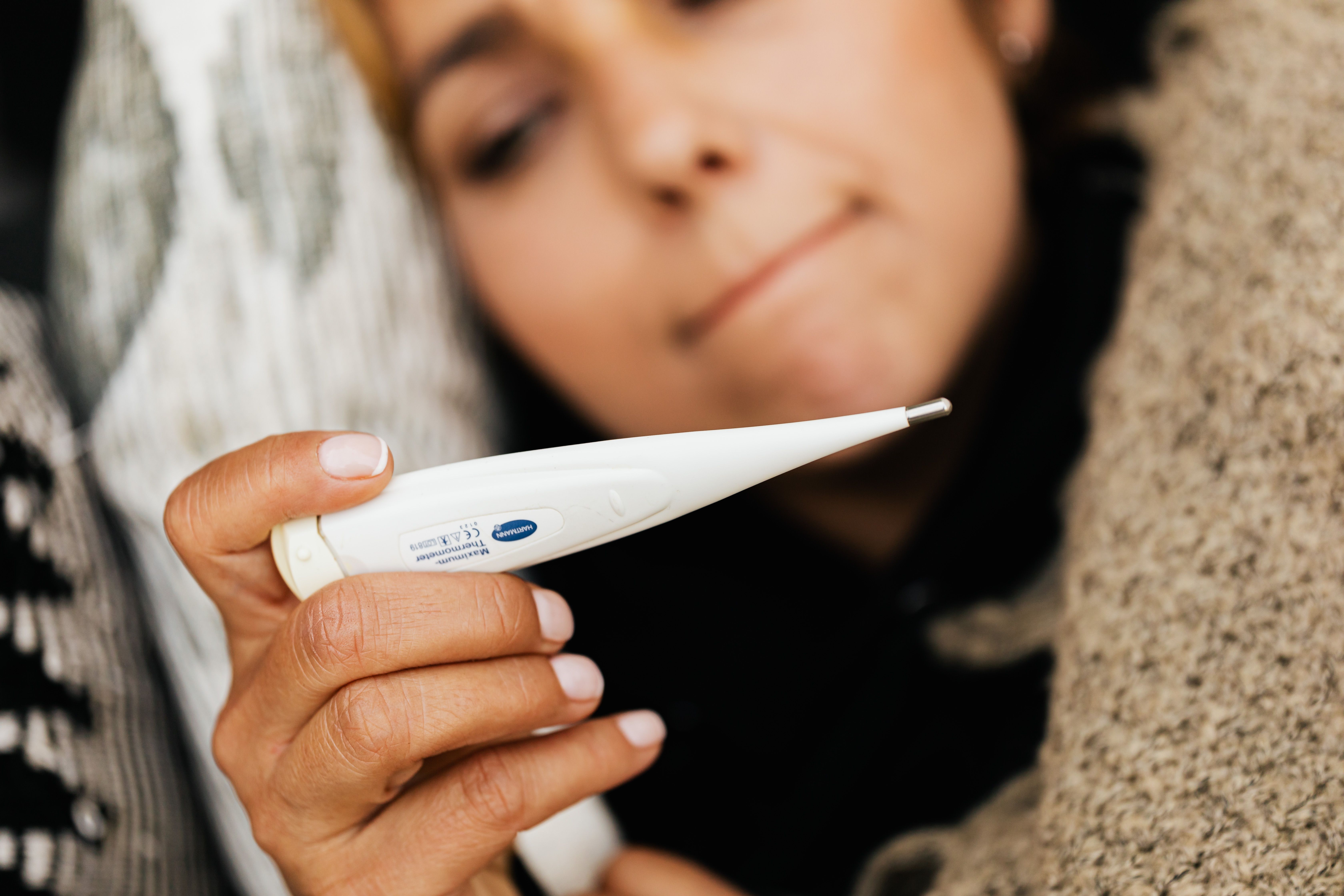
What worries us is this: most Kenyans who are getting sick right now think they have flu. Some think they have malaria. They are resting, drinking tea, and taking ibuprofen or Brufen to bring down the fever. And that last part — the ibuprofen — can turn a manageable illness into a medical emergency.
This is what you need to know.
What dengue actually is
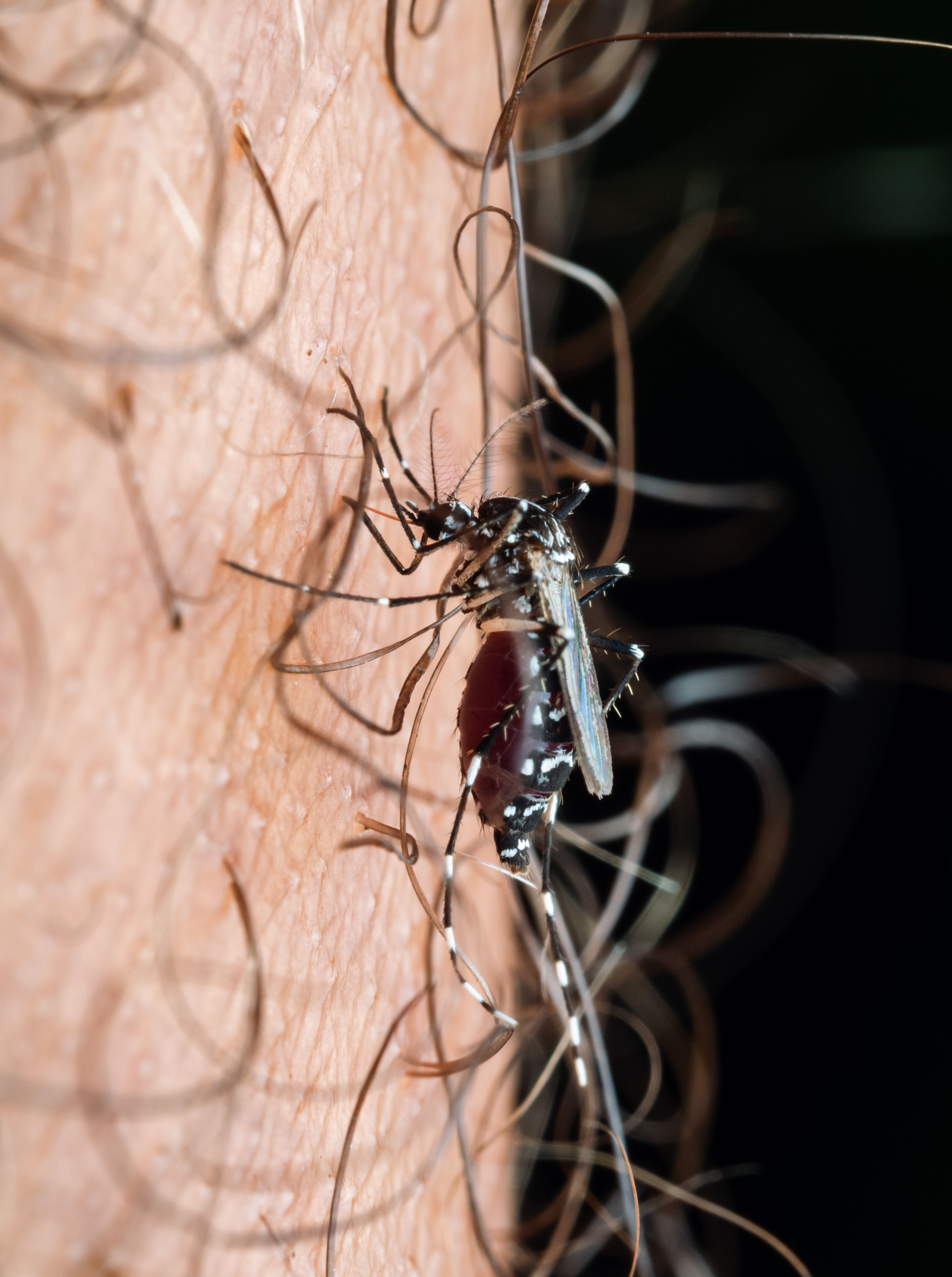
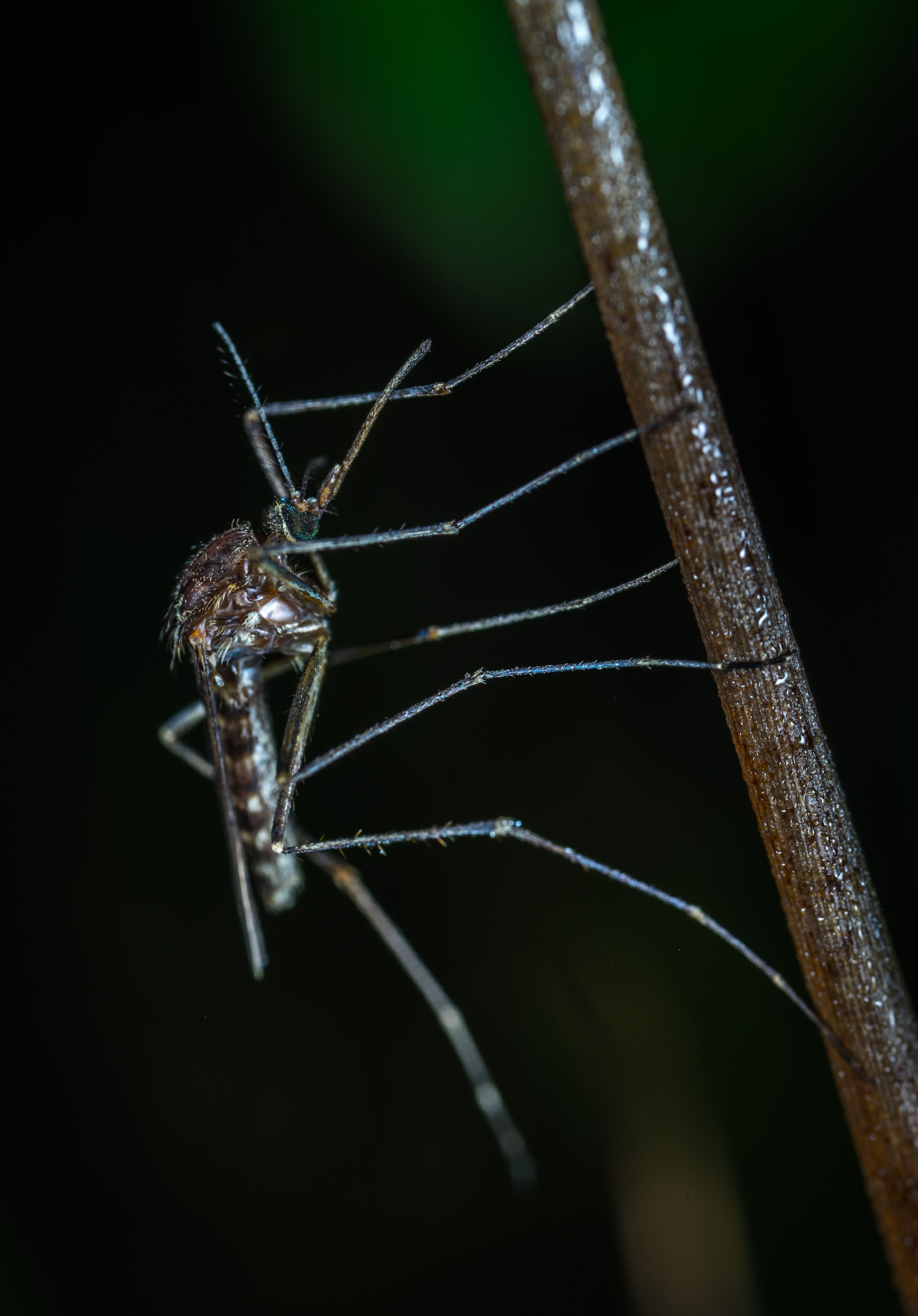
Dengue is a viral infection spread by the Aedes aegypti mosquito — the same mosquito that spreads Zika and yellow fever. Unlike malaria mosquitoes, which bite mainly at dusk and dawn, Aedes mosquitoes bite during the day. Mornings and late afternoons are peak times.
There is no specific antiviral treatment for dengue. There is also no approved vaccine widely available in Kenya. What that means is simple: prevention is everything, and if you do get sick, knowing what to do — and what not to do — is the difference between recovering at home and ending up in a critical care ward.
The symptoms — and why they get confused with malaria and flu
Dengue symptoms typically start four to ten days after a mosquito bite. They can feel almost identical to malaria or a bad flu in the early stages, which is exactly why it gets missed.
What dengue usually feels like:
Sudden high fever — it comes on fast and can hit 39–40°C
Severe headache, particularly behind the eyes — retro-orbital pain is a dengue hallmark
Intense joint, muscle, and bone pain — this is why dengue earned the nickname "breakbone fever"
Nausea, vomiting, loss of appetite
A skin rash, which may appear 2–5 days after the fever starts — red patches or a measles-like rash
Mild bleeding from the nose or gums, or small bruises appearing without injury
The fever phase typically lasts between two and seven days. In most people, dengue is uncomfortable but manageable. About 1 in 20 people, however, progress to severe dengue — and the critical window for that shift is often when the fever goes away.
The danger zone — when the fever breaks
This is the part that catches people off guard, and it kills people who don't know it.
When dengue fever starts to come down — usually around day three to day six — many people assume they are getting better. They feel relieved. They relax.
That period, as the fever drops, is actually when the risk of severe dengue is highest. The virus can cause plasma to leak out of blood vessels, platelet counts to crash, and internal bleeding to begin — all while the person feels like they are on the mend.
Go to a hospital immediately if, as the fever is coming down or after it breaks, you notice any of these:
Severe abdominal pain or tenderness
Persistent vomiting — three or more times in an hour, or four or more times in six hours
Bleeding from the nose or gums that will not stop, or blood in urine or stool
Sudden extreme fatigue or restlessness
Difficulty breathing
Vomiting blood, or stool that is black or tarry
Do not wait. Do not monitor at home. These are the signs that dengue has turned severe, and the window to intervene is short.
The medicine you must not take
This is urgent enough to say plainly: do not take ibuprofen, Brufen, aspirin, Disprin, or any NSAID for a fever when dengue is possible.
Dengue already causes your platelet count to fall — platelets are the cells that help your blood clot. Ibuprofen and aspirin both interfere with platelet function on top of that. Taking either one during dengue significantly increases the risk of internal bleeding.
Even a single dose carries risk. This is not a theoretical concern — it is why dengue treatment guidelines worldwide specify this clearly.
The only safe fever medicine during a possible dengue infection is paracetamol (also sold as Panadol or Calpol). Take it at the recommended dose for adults — 500mg to 1,000mg, every four to six hours as needed, not exceeding 4,000mg in 24 hours. Do not exceed the dose thinking it will work faster. Too much paracetamol stresses the liver, and dengue already puts the liver under strain.
If you are unsure what medication you or a family member has been taking, check the packet. Many combination painkillers — sold as single tablets — contain ibuprofen alongside paracetamol. If it contains ibuprofen, stop it.
What to actually do if you think you have dengue
Stay home and rest if your symptoms are mild and you have no warning signs. Dengue is viral — antibiotics will not help.
Drink fluids aggressively. Dehydration accelerates the decline into severe dengue. Adults should drink at least two to three litres of fluid per day. ORS (oral rehydration salts), coconut water, clear soup, or plain water — all work. Avoid heavily sugared drinks.
Get tested if the fever does not improve within 48 hours. A dengue NS1 antigen test is most accurate in the first five days of illness. After that, an IgM/IgG antibody test is used. Most private labs in Nairobi offer both. Ask specifically for a dengue test — do not assume a malaria test covers it.
Monitor yourself. Check for warning signs at least twice a day, especially as the fever starts to fall.
Go to hospital immediately if any of the warning signs above appear.
Who is most at risk
Dengue can infect anyone, but two groups face a higher risk of severe disease:
People being infected for the second time are at significantly higher risk of severe dengue than first-time infections. If you have had dengue before — or you lived in or visited a dengue-endemic area previously — your second infection carries more danger, not less. This is one of the more counterintuitive facts about the disease.
People with underlying conditions — diabetes, hypertension, kidney disease, heart disease — are also at higher risk of complications and should seek medical attention earlier rather than monitoring at home.
Where dengue is circulating in Kenya right now
The current outbreak is concentrated in Garissa and Wajir counties in the northeast and has been confirmed along the coast. The WHO has also documented dengue activity in Nairobi in previous surveillance periods, and Kenya's urban density makes spread possible wherever Aedes mosquitoes are present.
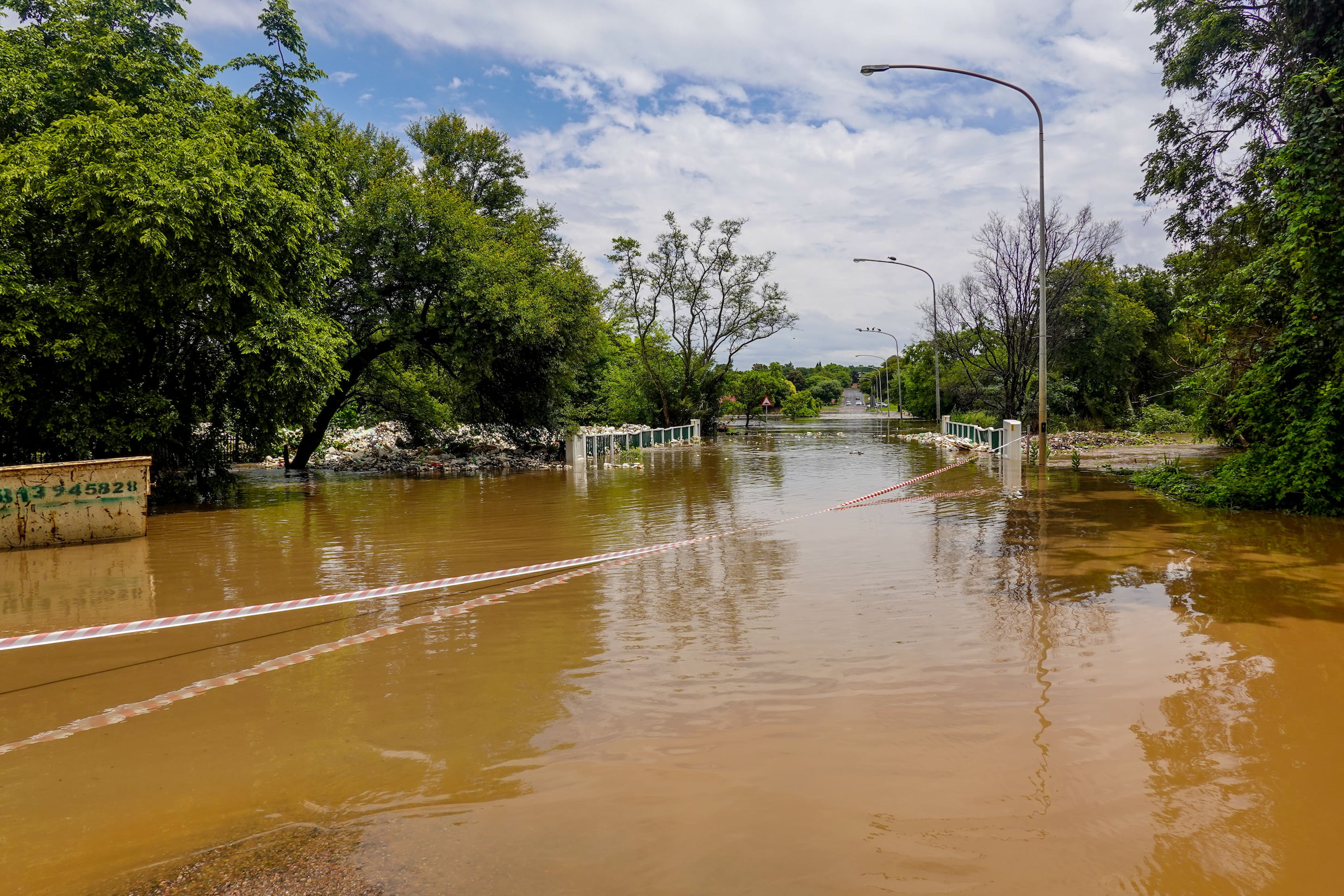
Aedes aegypti thrives in standing water — water storage containers, flower pots, blocked drains, tyres, and any stagnant water around the home. In Nairobi's informal settlements and middle-class estates alike, this mosquito is not rare.
Prevention — what actually works
There is no vaccine. Prevention comes down to reducing your exposure to Aedes mosquito bites, particularly during daylight hours.
Use insect repellent on exposed skin during the day, not just at night
Wear long-sleeved clothing when possible, especially in the morning and late afternoon
Empty any standing water around your home — buckets, flowerpots, water storage containers — at least weekly. Mosquito larvae hatch and mature in as little as seven days
Use window screens or a fan, since mosquitoes are weak fliers
Sleep under a mosquito net even during the day if you are resting while sick, to prevent passing the virus to other mosquitoes who can then infect other people
AfyaWatch254 Says: The Misdiagnosis Problem Is Real
Across Africa, dengue is routinely mistaken for malaria — and when the malaria test comes back negative, it is often treated as "just a viral fever". Research on dengue patterns across the continent confirms that dengue cases only get considered after malaria is ruled out, which means diagnosis is delayed, the wrong medicines get taken, and the critical window for early intervention gets missed.
In Kenya, with a live outbreak and confirmed spread to the coast, this dynamic is happening right now. Someone in Mombasa or Garissa or Eastleigh is running a fever today, has been given antimalarials that won't work, and is going home to rest with Brufen on the bedside table.
This article is for that person and the person who loves them.
If the fever is not breaking, get tested for dengue specifically. If the warning signs appear, go to hospital. Do not manage this one alone at home.