The Drink That Looks Real and Kills You: Kenya's Fake Alcohol Crisis
L
Leisure Collective
Author
221
0
0
About 19% of alcohol sold in Kenya is counterfeit. Some of it contains methanol — an industrial poison that smells and tastes exactly like the real thing.
The bottle had a label you recognised. A logo. A seal that looked official. It was cheaper than usual, but not suspiciously so.
You drank it. A few hours later, you had a headache. You assumed a hangover. You slept it off.
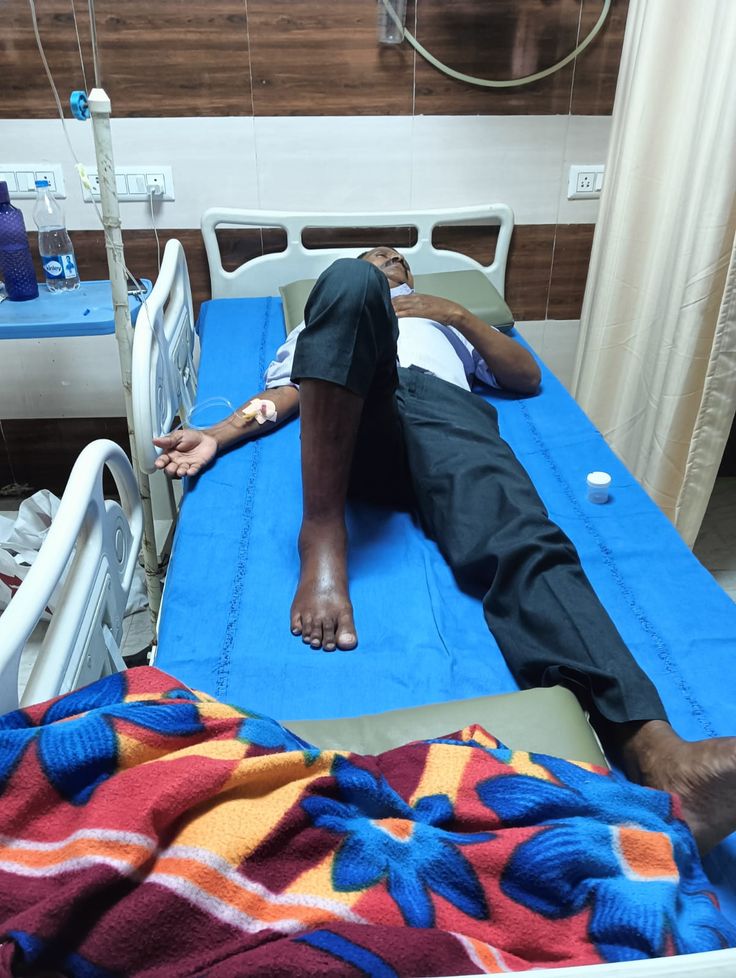
By morning, your vision was blurring. By the time someone got you to hospital, the optic nerve damage was already done.
This is how methanol poisoning works. And in Kenya right now, it is happening in places you would not expect — not just in dingy backstreet dens, but in supermarkets, local bars, and shops in Nairobi's more affluent neighbourhoods.
The scale of the problem
The Anti-Counterfeit Authority estimates that about 19% of alcohol in the Kenyan market is counterfeit, with the agency investigating over 124 cases in the last three years. Nairobi recorded the heaviest seizures — Ksh 43 million worth of confiscated products — followed by Eldoret at Ksh 7.7 million.
The Consumer Federation of Kenya is even more alarming. Over 50% of alcohol outlets sell fake or adulterated brews, with counterfeit drinks repackaged into sachets and recycled bottles bearing the logos of well-known brewers and sold to unsuspecting buyers.
In August 2026, Rwanda took the extraordinary step of temporarily suspending imports of 52 alcoholic beverage products from several countries, including five Kenyan-made brands, ordering their withdrawal from the market. A foreign government pulling Kenyan alcohol off its shelves is not a minor story. It is a signal that the problem has grown past Kenya's own borders.
This is not a problem contained to the poorest communities or the most desperate drinkers. The syndicates producing counterfeit alcohol have moved. The manufacture of poisonous substances passed off as legitimate brands is no longer exclusive to dingy back rooms — criminals have shifted base to affluent neighbourhoods. The product is indistinguishable from the real thing. That is the point.
What methanol actually is — and what it does to your body
Methanol is an industrial chemical. It is found in antifreeze, paint thinner, and fuel. It is not meant to be consumed by human beings under any circumstances.
It is colourless, tasteless, and odourless — making it nearly impossible to detect in a drink. Even small amounts, as little as 30ml, can cause blindness or death within 12 to 48 hours of consumption.
Here is what happens inside the body when methanol is ingested: the liver converts methanol into formaldehyde and formic acid. Formic acid makes the blood acidic, disrupting metabolic activities and potentially leading to kidney failure and death. Formaldehyde damages the optic nerve, causing irreversible blindness. Once the optic nerve is affected, the blindness is permanent.
The cruellest part of methanol poisoning is its timing. Symptoms can initially resemble ordinary intoxication — nausea, vomiting, dizziness, and confusion — potentially followed by blurred vision, blindness, or breathing difficulties within 12 to 48 hours. The window between "feeling drunk" and "going permanently blind or dying" can be as short as half a day. Most people sleep through it.
Methanol gets the headlines — but it's not the only thing in there
Methanol is the adulterant that kills fastest and makes the news. It is not the only dangerous substance documented in Kenya's illicit alcohol supply.
Kenyan authorities have confirmed that illicit artisanal brews include products laced with industrial methanol, formalin, and pesticides. Formalin — a solution of formaldehyde — is used as a preservative in some illicit production. It causes liver and kidney damage and is carcinogenic with repeated exposure. Pesticides enter the supply through contaminated fermentation equipment or deliberate adulteration. Their effects depend on the specific compound but include neurological damage, organ failure, and long-term toxicity.
There is one more problem worth naming: even without added toxins, lab testing of illicit Kenyan products has found wildly inconsistent ethanol levels — some samples carrying more than double the alcohol content stated on the label. A person drinking what they believe is a light spirit at 6% may be consuming something closer to 16%. That alone is enough to cause acute alcohol poisoning, particularly in someone who has calibrated their intake against the label.
KEBS has stated publicly that all methanol in Kenya is denatured using denatonium benzoate — a chemical that makes it intensely bitter — to prevent it from being mistaken for drinking alcohol. If that were fully effective, methanol poisoning cases would not be occurring at the documented rate. The denaturing system is either being bypassed or undeclared methanol sources exist outside the formal supply chain. Either way, the poisonings are happening.
Why fake alcohol is so hard to spot
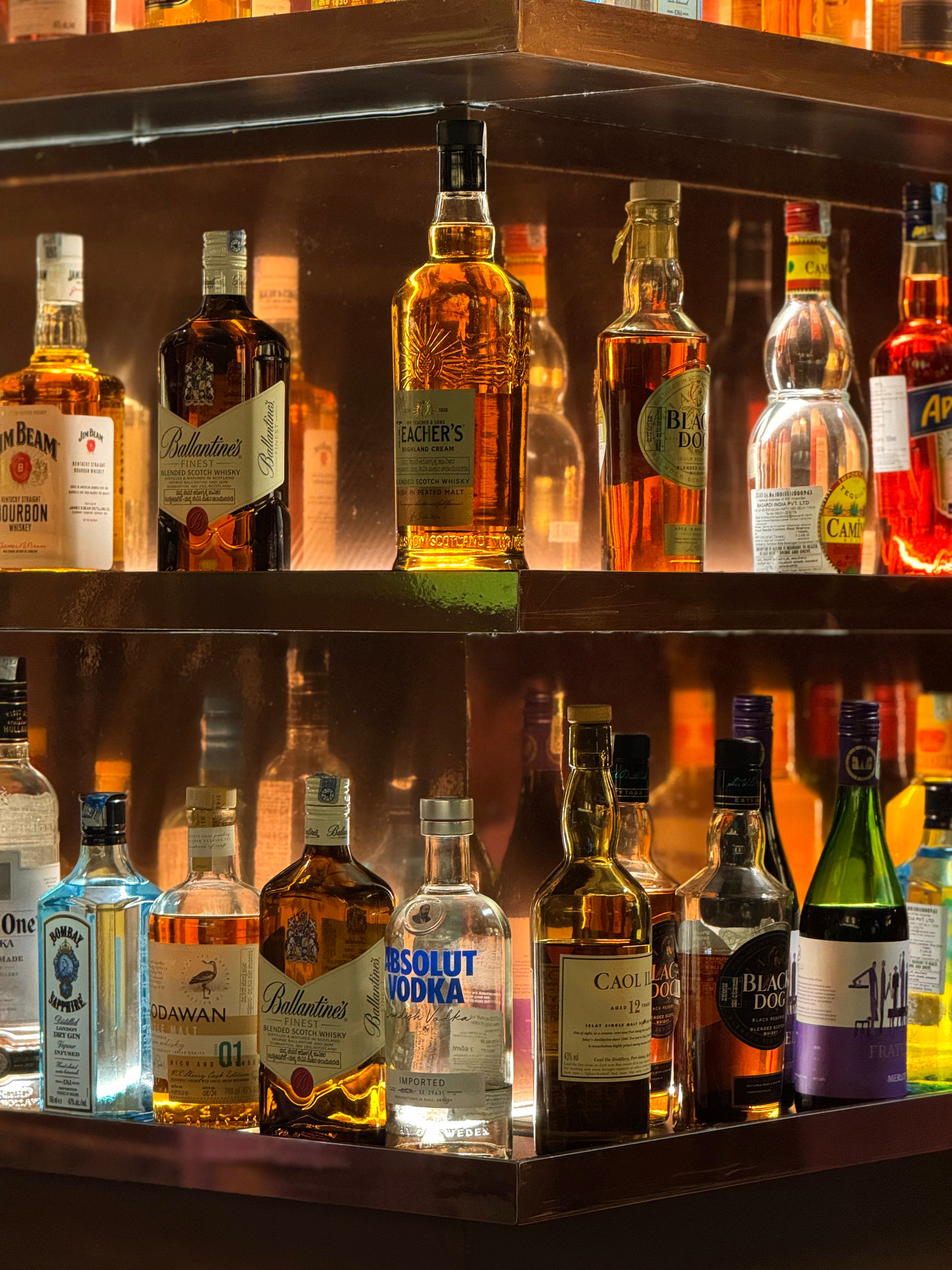
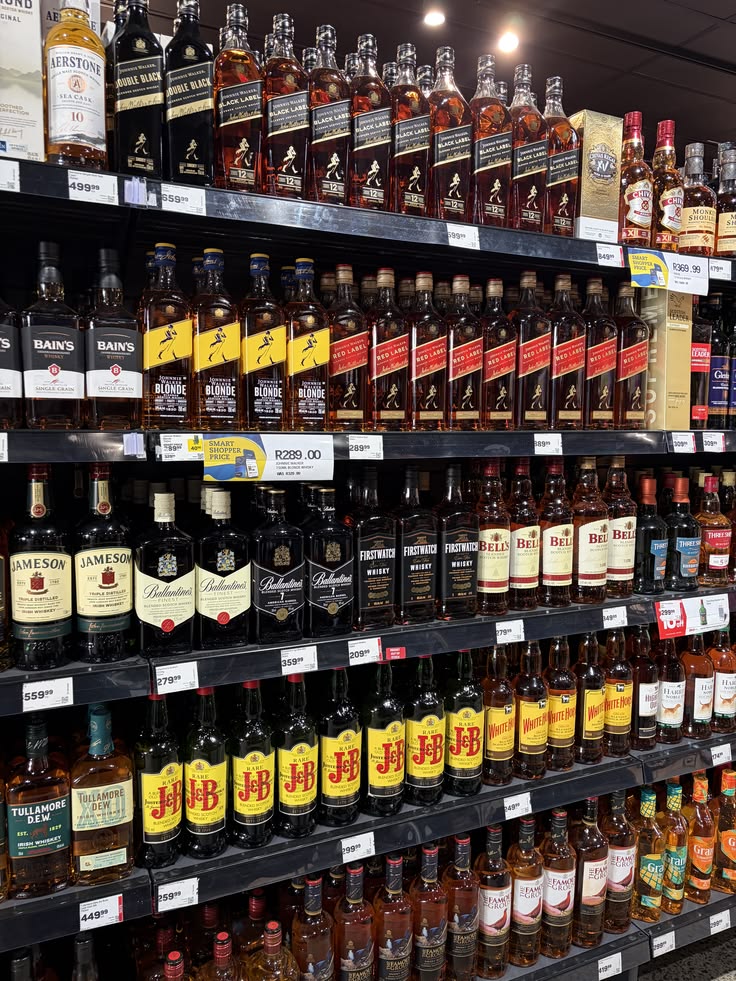
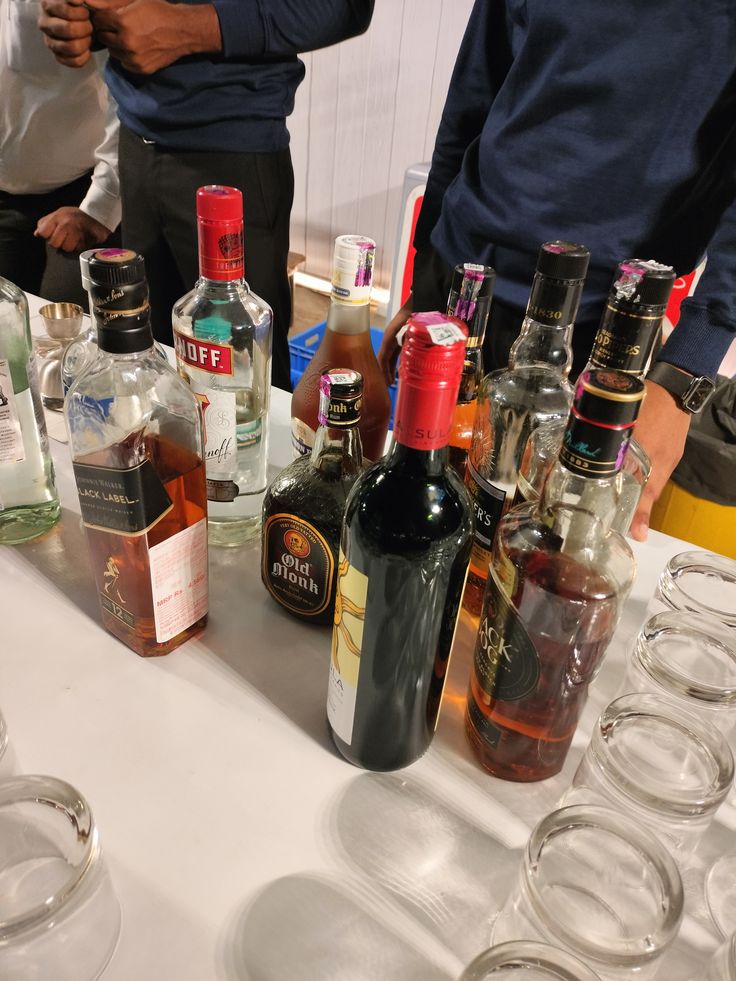
The counterfeit alcohol market in Kenya is sophisticated. These aren't necessarily crude homemade brews in unmarked containers. Counterfeiters can copy labels and packaging, replicate tax and quality marks, and even reuse genuine bottles—meaning a bottle can look convincingly legitimate while the contents are not.
In one Murang'a investigation, alcohol sold with KRA stamps was found to carry counterfeit stamps, while laboratory testing revealed that the ethanol content did not match what was declared on the label.
The health risk becomes much more serious when illicit alcohol is adulterated with toxic substances such as methanol. Once ingested, methanol is metabolised into formaldehyde and then formic acid, which can cause severe metabolic acidosis and damage the optic nerve, potentially resulting in permanent visual impairment or blindness. Symptoms may not appear immediately; there can be a latent period before serious poisoning becomes obvious.
And here's the problem with relying on the KRA stamp: a genuine-looking stamp isn't necessarily proof that the contents are genuine. Counterfeiters have been found using fake tax stamps, which is why visual inspection alone isn't enough. KRA's electronic verification system provides an additional check.
Research shows that 61% of consumers surveyed identified bodily harm and health risks as the primary impact of illicit alcohol, while 27% cited death. Consumer advocates say the poor are bearing the greatest burden — with counterfeit drinks repackaged and sold to people living below the poverty line.
But the risk does not stop at economic lines. Anyone buying alcohol in Kenya — branded spirits from a bar, pre-mixed drinks, sachets, locally distilled spirits — is operating in a market where nearly one in five products may be fake. That covers a very wide population.
People who drink at informal venues, buy from unlicensed outlets, or are attracted by unusually low prices face higher exposure. But given that the counterfeiting operations have moved into formal-looking establishments, the old rule of "just buy from a proper shop" is no longer reliable on its own.
The warning signs — act fast
Methanol poisoning is survivable if caught early. The antidote — ethanol, administered medically — works by competing with methanol at the same metabolic sites in the liver, slowing the conversion to formic acid and buying time for the body to excrete the methanol. But this window is short.
Early warning signs include dizziness, drowsiness, and blurred or lost vision. If caught in time, the effects can be reversed. The antidote of ethanol is given to neutralise the poisoning, and this can prevent loss of sight and other adverse effects to internal organs if administered before irreversible damage occurs.
Go to hospital immediately — do not wait — if you or anyone around you shows these signs after drinking:
Blurred or double vision, or sudden loss of vision
Severe headache that is worsening
Nausea and vomiting that will not stop
Extreme confusion or difficulty staying conscious
Difficulty breathing
Abdominal pain
Tell the medical staff specifically that methanol poisoning is suspected and what was consumed. This information changes the treatment protocol. Every hour matters.
What you can actually do to reduce your risk
No single measure is foolproof in a market this compromised, but these reduce your risk meaningfully:
Buy from licensed, established outlets. Not a guarantee, but it narrows your exposure. The counterfeiting operations are concentrated in informal trade channels.
Be suspicious of unusually low prices. Genuine branded spirits have a cost floor — production, excise duty, distribution. A product priced significantly below market rate for that brand is a signal.
Check the seal carefully. Genuine bottles have tamper-evident closures. A seal that opens too easily, appears re-glued, or has a slightly different texture or colour from what you expect is a warning sign.
Avoid pre-mixed, spirit-based drinks from unknown sources. The UK government's travel guidance specifically flags pre-mixed, spirit-based drinks as a risk category in Kenya. The mixing process makes it easier to dilute or substitute the base spirit.
AfyaWatch254 Says: This Is a Regulatory Failure, Not Just a Consumer Problem
There is a version of this article that ends with a list of things to check before you drink. This is not that article.
The fake alcohol crisis in Kenya is a regulatory failure. Illicit products aren't checked by the Kenya Bureau of Standards, as they fall under second-generation alcoholic drinks. The Anti-Counterfeit Authority has seized products worth Ksh 61 million over three years — a number that sounds significant until you consider that over 50% of alcohol outlets may be selling adulterated products. The enforcement is not matching the scale.
Euromonitor data shows 61% of consumers can identify harm and health risks from illicit alcohol. Kenyans know the risk exists. What they don't have is a market clean enough to avoid it confidently or a regulatory system robust enough to catch counterfeits before they reach shelves.
Until that changes, individual caution is all that stands between a Kenyan consumer and a bottle that looks right and kills anyway.