Great Lakes University of Kisumu Launches Samsung Digital Classroom — A New Model for Education in East Africa
L
Leisure Collective
Author
263
0
0
GLUK has launched a Regional Language & Cultural Centre powered by Samsung Digital Classroom — bringing AI learning, interactive displays and Knox security to Kisumu.
Great Lakes University of Kisumu launches Samsung Digital Classroom — and sets a new standard for education in East Africa
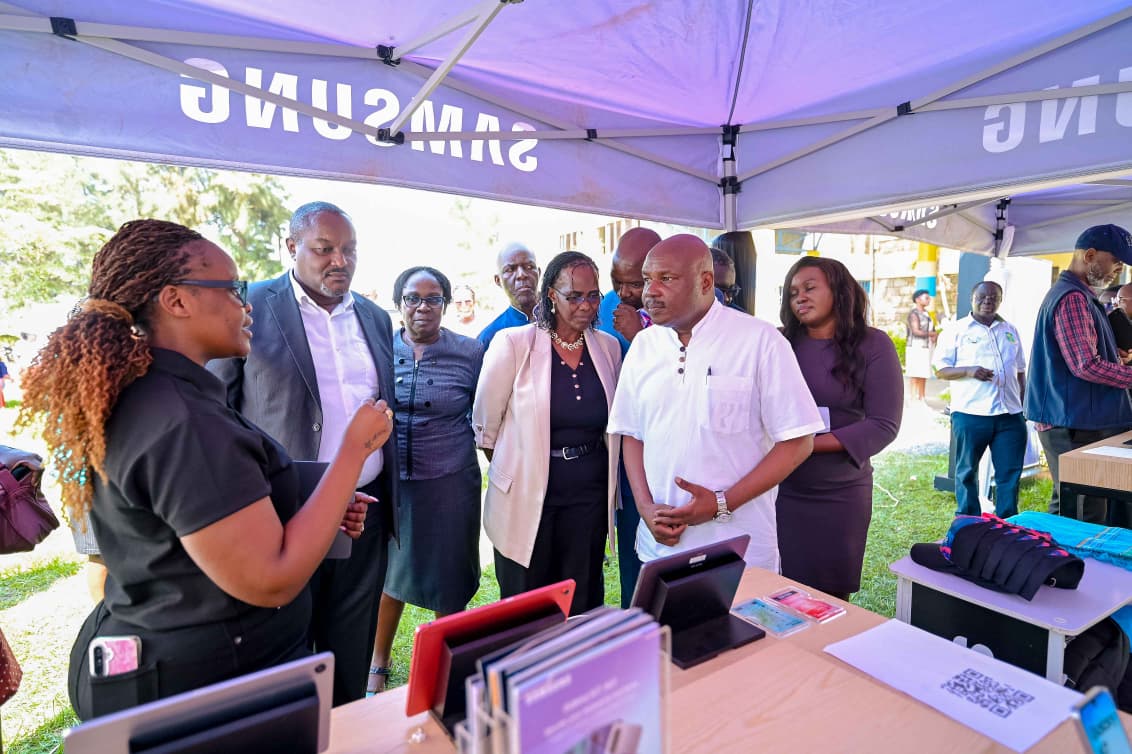
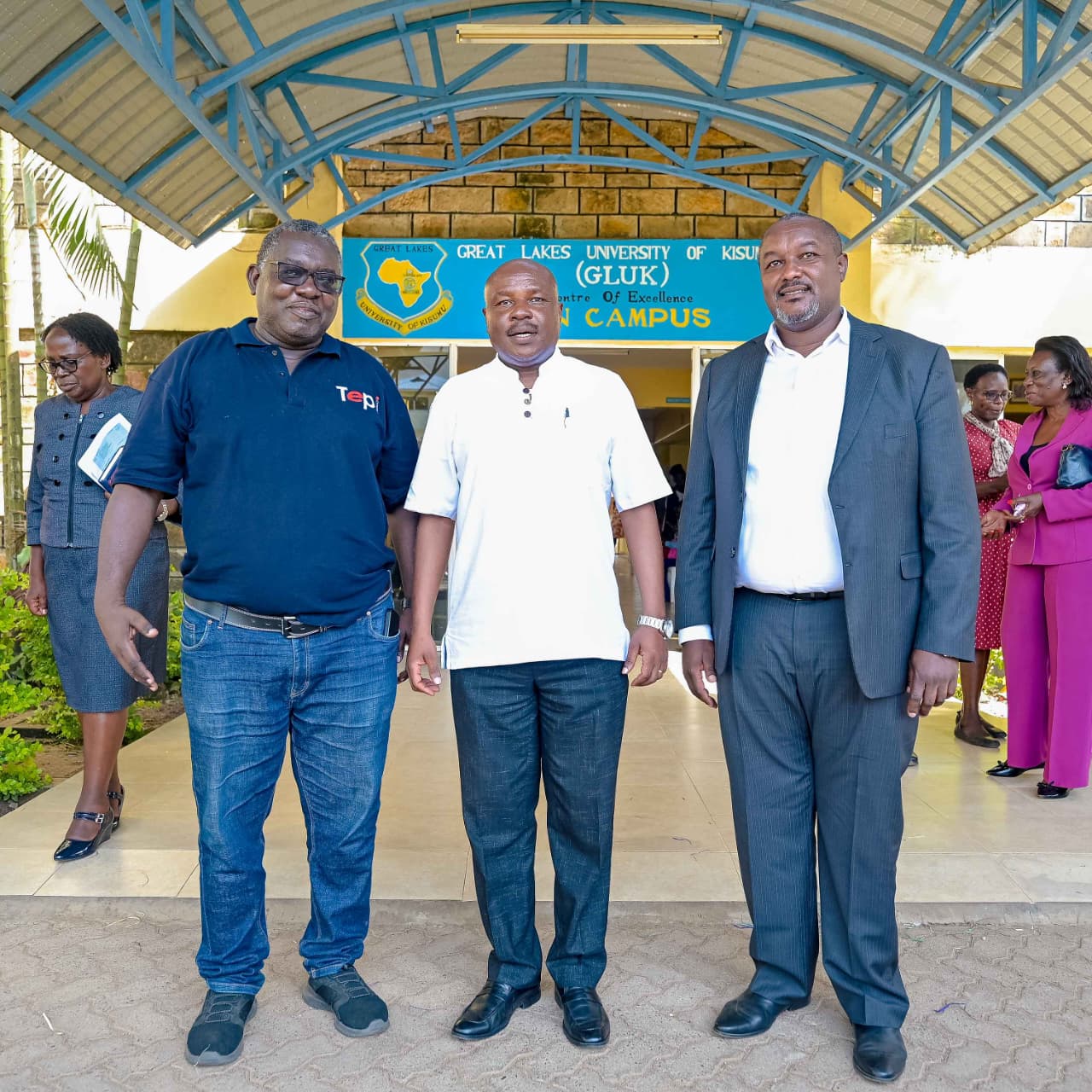
A university in Kisumu has just become the clearest example yet of what technology-enabled higher education can look like in Kenya. Great Lakes University of Kisumu has launched a Regional Language and Cultural Centre powered by the Samsung Digital Classroom — a multi-device and software ecosystem developed specifically for East Africa by Samsung Electronics East Africa — positioning the institution at the leading edge of digitally enabled learning on the continent.
The launch, hosted through the Kisumu Institute of Development Studies, marks GLUK's entry as a pioneer education member of the newly launched TEP Connect Ecosystem — a platform designed to bring together educational institutions, technology providers, language partners, employers and workforce development stakeholders in support of learner success in an increasingly digital and interconnected economy.
What the Samsung Digital Classroom actually is
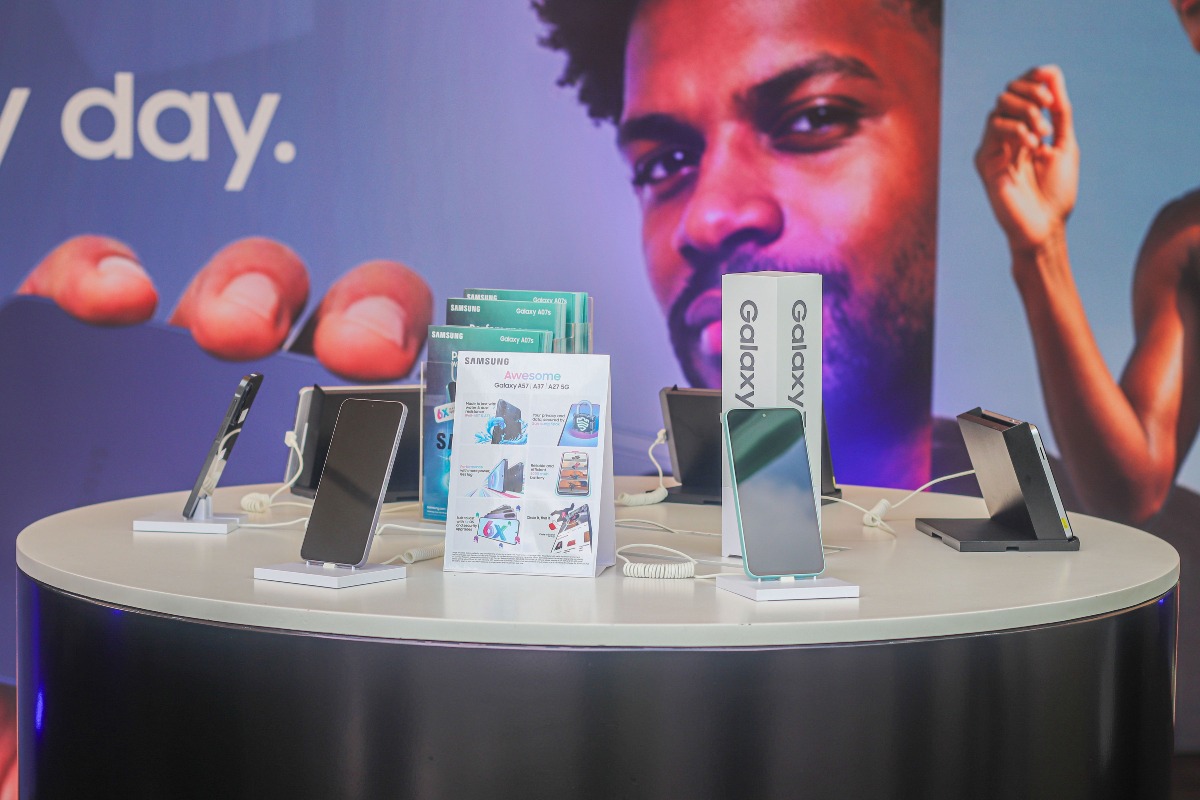
At the centre of the initiative is a connected, secure learning environment built around three core Samsung technologies: Interactive Displays, Samsung Tablets and Samsung Knox for Education.
The Interactive Displays replace the conventional classroom whiteboard with a collaborative, digital teaching surface — enabling more dynamic instruction, real-time engagement and the kind of interactive teaching that static tools simply cannot produce. Samsung Tablets extend that learning environment beyond the classroom, giving students mobile access to educational content and collaborative tools that move with them.
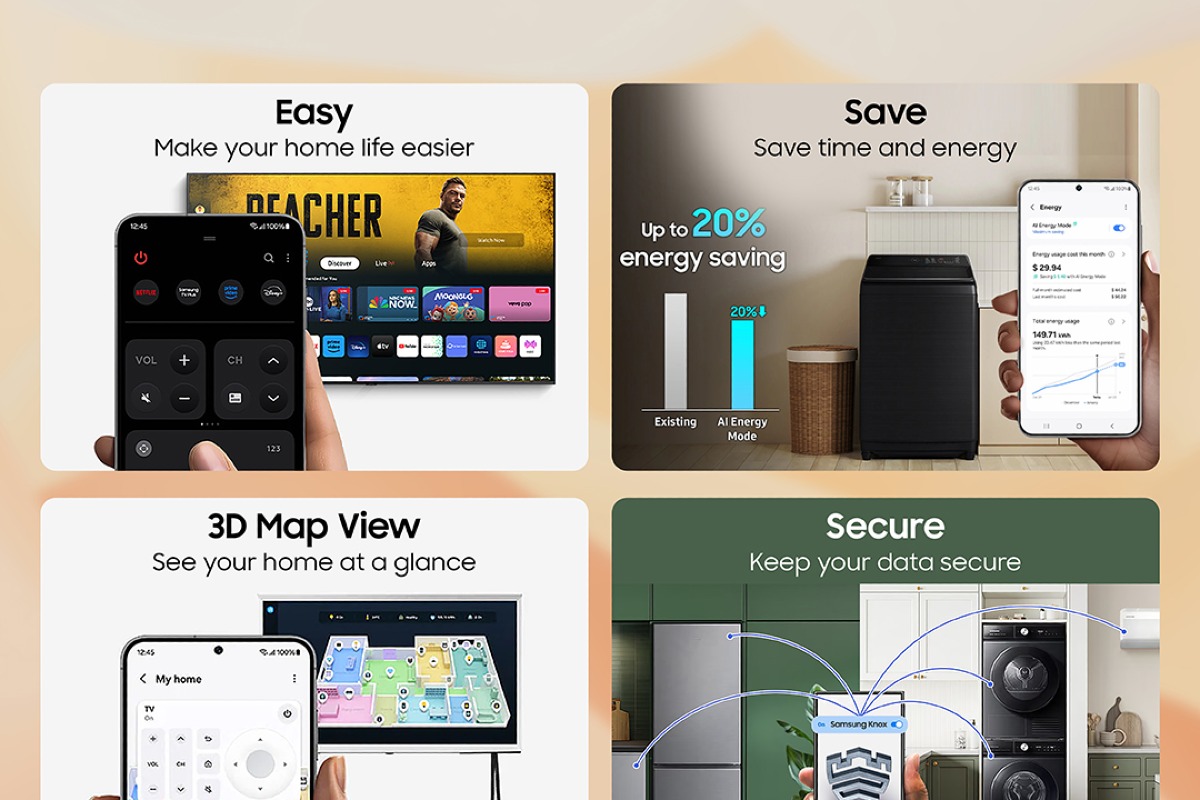
Samsung Knox for Education — the same enterprise-grade security platform built into Samsung's consumer devices — strengthens the university's digital infrastructure by securing devices, academic content, institutional data and learning resources within a governed, trusted ecosystem. In a learning environment handling sensitive student data and academic resources, that security layer is as important as the hardware itself.
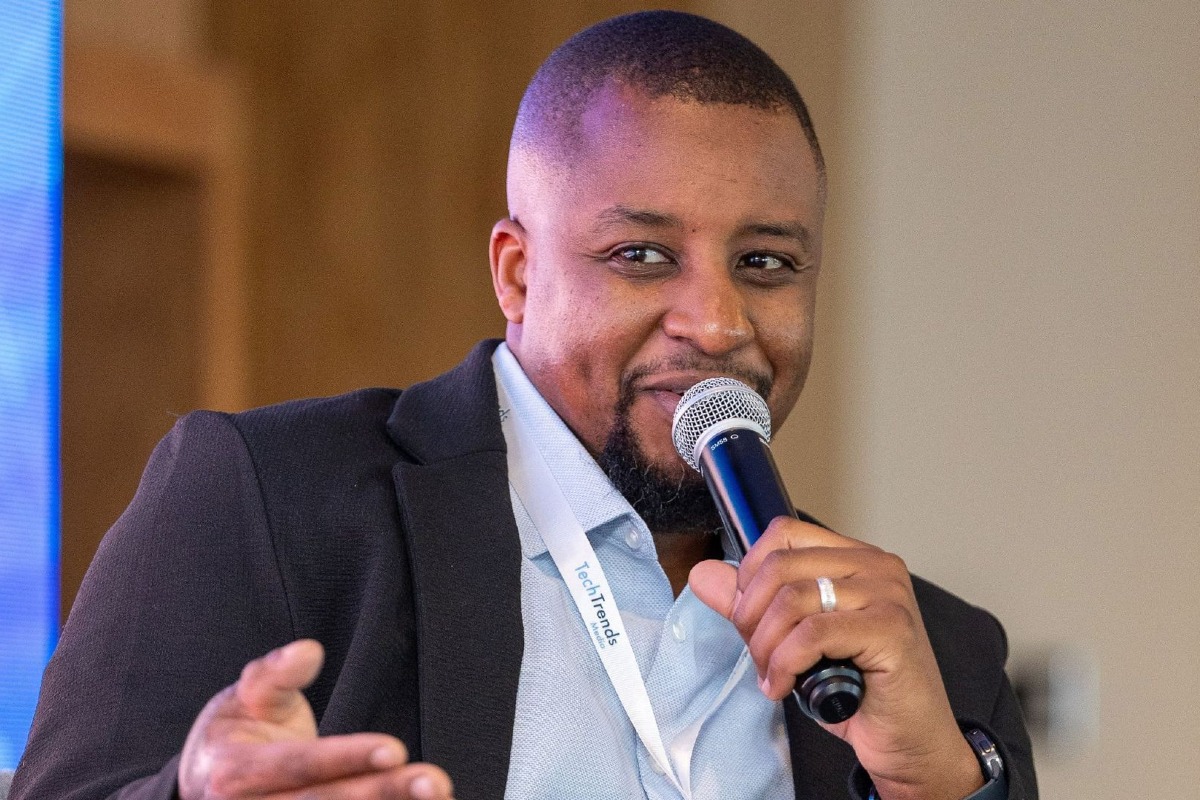
Anthony Njihia, Head of Integrated B2B at Samsung Electronics East Africa, was direct about the broader ambition:
"At Samsung, we believe technology has a critical role to play in shaping the future of education. As learning environments continue to evolve, institutions require solutions that enable collaboration, improve engagement, and prepare students for an increasingly digital world."
He added: "We are proud to support this pioneering initiative and hope it serves as a model for how technology can be leveraged to expand access to quality education, empower educators, and equip learners with the digital skills needed to thrive in the modern economy."
The ecosystem behind the initiative
What makes the GLUK launch particularly significant is not just the Samsung technology at its centre — it is the breadth of the ecosystem built around it.
The TEP Connect platform brings together a diverse network of partners covering every dimension of the learner journey. Berlitz East Africa handles language proficiency and cultural readiness — a critical component for graduates entering regional and international labour markets. Simplified IQ provides AI-powered assessment tools. Lumion contributes the learning management system infrastructure. Loho Learning covers CBC pathway integration. And connectivity is provided through a combination of Airtel, Jamii Telecommunications and Starlink — ensuring the digital classroom is not constrained by the infrastructure gaps that have historically limited technology-enabled learning in Kenya's upcountry institutions.
The combination addresses a challenge that higher education institutions across East Africa have consistently faced: technology adoption that outpaces the supporting infrastructure, or infrastructure investments that arrive without the pedagogical and employability frameworks to make them meaningful. TEP Connect, with GLUK as its first pioneer education member, attempts to solve the whole problem rather than individual parts of it.
Kenya's higher education landscape is under significant pressure to produce graduates equipped for a labour market that is evolving faster than most curricula. Digital literacy, language proficiency and employability skills — the three pillars of the GLUK initiative — are consistently identified by employers across East Africa as the gaps that most undermine graduate readiness.
GLUK Vice Chancellor Prof. Hazel Miseda framed the institution's ambition clearly:
"The future of education demands institutions that can connect academic excellence with technology, language proficiency, employability and global opportunity. Through this initiative, Great Lakes University of Kisumu is investing in a model that prepares learners not only to graduate, but to compete, contribute and succeed in a connected world."
The university's plan to expand the programme across its campuses — while working with industry, development partners and financial institutions to broaden access — signals that the Kisumu launch is explicitly designed as a replicable model rather than a standalone installation. If it works at GLUK, the intention is for it to work elsewhere across the region.
For Samsung Electronics East Africa, the partnership represents a meaningful extension of the brand's presence in Kenya's education sector — applying the same technology infrastructure that powers its consumer and enterprise products to the classroom, and building the kind of institutional relationships that outlast individual device cycles.
The Samsung Digital Classroom at Great Lakes University of Kisumu is, by its own framing, a pilot for something larger. The question it is designed to answer is whether technology, language, connectivity and employability support — delivered together, at institutional scale — can produce a genuinely different kind of graduate. The answer will emerge from Kisumu before it emerges anywhere else.
For the latest news, please visit the Samsung Newsroom at news.samsung.com.
Comments
0 comments
Leave a comment
No comments yet. Be the first to share your thoughts!