Kenya Just Became Africa's Most Exciting Wine Market — Here's What That Means for You
L
Leisure Collective
Author
434
1
0
Kenya imported 3.1 million litres of South African wine in 2025. Wines of South Africa just landed in Nairobi this week. Here's what Nairobi's wine moment really means.
Kenya just became Africa's most exciting wine market — and Nairobi's glass is half full
Something significant is happening in Nairobi's wine scene, and it is happening faster than most people realise. The numbers are striking on their own: Kenya imported over 3.1 million litres of South African wine in 2025, making it one of Africa's largest markets by volume, while packaged wine values rose to approximately US$3.19 per litre — a clear signal that Kenyan consumers are not just drinking more wine, they are drinking better wine.
But the more interesting story is not in the statistics. It is in what is driving them — and what it means for the Nairobi consumer who is navigating this moment right now.
The week that confirmed Kenya's arrival
The timing of this piece is not accidental. Wines of South Africa returned to Nairobi this month with its 2026 East Africa tour under the campaign theme "There's Sunshine Inside" — reinforcing Kenya's growing importance as one of Africa's most dynamic premium wine markets. The two-day activation, held on 15 and 16 May, brought together wine producers, importers, hospitality professionals, influencers and consumers through immersive wine tastings, educational masterclasses, trade engagements and curated influencer luncheons aimed at deepening wine appreciation across the region.
South African producers are deepening their presence in the region, betting on rising consumer sophistication and demand for higher-value wines to drive growth across East Africa. That bet is not speculative. It is backed by four consecutive years of market growth in Kenya and a consumer base that is actively trading up from entry-level bottles to premium labels — the most valuable signal a wine market can send.
What changed — and when
Kenya's wine story does not begin with this week's showcase. It begins with a generational shift that accelerated significantly after 2020. Kenya's wine market has experienced significant growth particularly post-Covid, as millennial and Gen Z consumers — especially women aged 23–28 — embrace wine not only for its taste but for the lifestyle and experiences it represents.
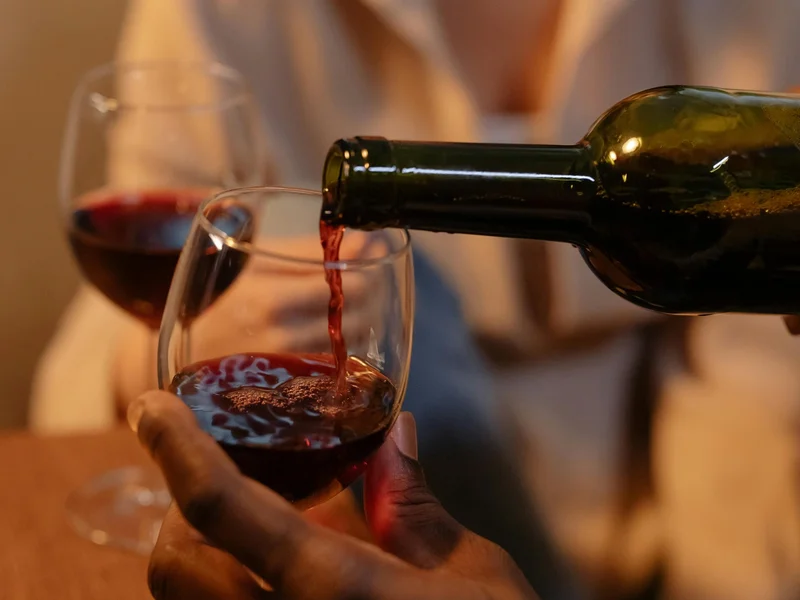
That reframing — from beverage to lifestyle — is the most important thing to understand about where Nairobi's wine culture is right now. What was once a niche hobby in urban hotels is now a mainstream lifestyle among Nairobi's middle and upper classes. Elegant rooftop bars, wine-paired dinner experiences and sommeliers becoming household names show how wine has become woven into Kenyan social fabric. Community platforms — events, wine clubs, social media groups — fuel knowledge sharing and peer discovery.
The wine consumer who shows up to a Nairobi restaurant in 2026 is meaningfully different from the one who showed up five years ago. They have opinions about regions. They know the difference between a Chenin Blanc and a Sauvignon Blanc. They follow wine accounts. They attend tastings. They ask the sommelier for a recommendation and actually engage with the answer.
Why South Africa — and what to know before you order
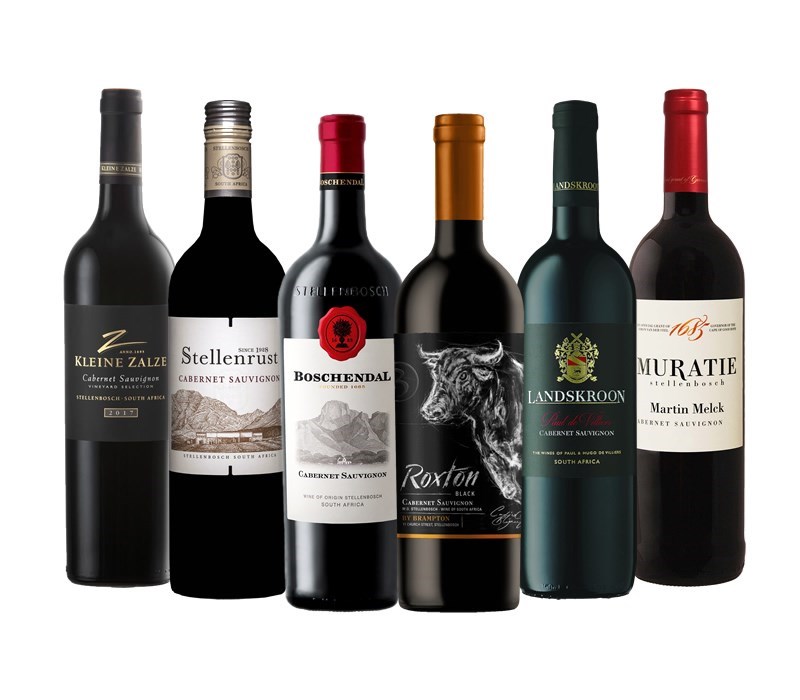
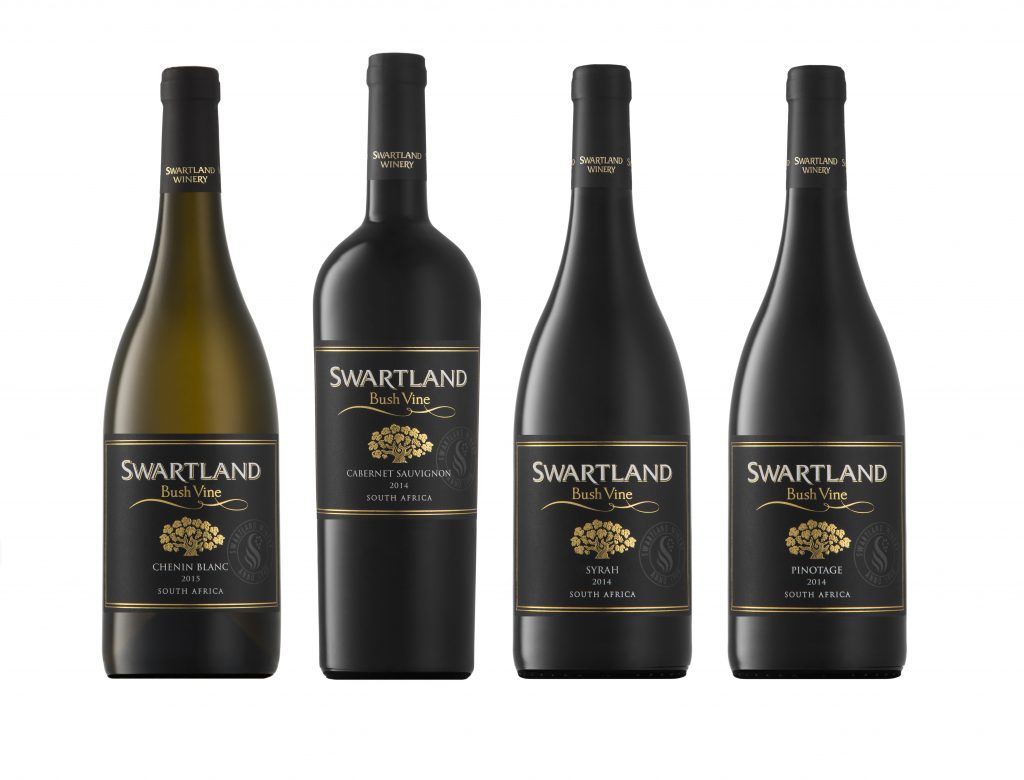
South Africa's dominance in the Kenyan import market is not simply logistical, though geography and trade relationships play a role. It is also a question of fit. South African wines — particularly from the Western Cape's Stellenbosch, Franschhoek and Swartland regions — produce styles that work exceptionally well in the Kenyan context: food-friendly whites with good acidity, reds with enough fruit character to work in a warm climate and a price-to-quality ratio that is genuinely difficult to match from European producers at equivalent price points.
Kenyan wine importers are introducing premium estate labels from South Africa, Europe and emerging New World regions. The mix of international and local varieties reflects Kenya's evolving palate: curiosity, youthfulness and a willingness to explore.
For the Nairobi wine enthusiast navigating this landscape, a few regional starting points are worth knowing:
Stellenbosch — South Africa's most celebrated wine region, producing full-bodied Cabernet Sauvignons and Pinotage reds alongside elegant Chardonnays. If you are ordering a South African red at a Nairobi restaurant, this is likely where it is from.
Franschhoek — Known for producing some of South Africa's most refined whites and méthode cap classique sparkling wines. The French Huguenot heritage of the region is reflected in its wine style — elegant, restrained and food-oriented.
Swartland — The region that serious wine enthusiasts are most excited about globally right now. Old vine Chenin Blanc and Grenache-based blends with a natural wine sensibility. If you see a Swartland label on a Nairobi wine list, it is worth exploring.
Where to engage with the scene in Nairobi
The infrastructure around wine in Nairobi is growing to match the consumer appetite. Viva Global — Kenya's leading importer and distributor of premium beverages — operates regular sommelier programmes, customer trainings and in-store tastings across a network of over 3,000 customers, continuing to shape wine culture in Kenya. Their annual Wine Expo, which returned in 2025 after a six-year hiatus, is now an anchor event on the Nairobi lifestyle calendar.
The Wine Fair at Nairobi Street Kitchen has become a landmark in Kenya's wine journey — featuring over 100 wine brands, sommelier-led masterclasses and curated tasting experiences that make premium wine accessible without removing the sense of occasion.
For regular wine experiences, Cave à Manger in Karen remains the most considered wine destination in the suburb — with a wine cellar you walk through to reach the restaurant and every dish on the menu paired with two sommelier-selected options. Sankara Nairobi's Sarabi Rooftop has an increasingly respected wine list. And the growing number of wine-by-the-glass programmes at Nairobi's premium restaurants suggests the industry is finally catching up with what consumers are asking for.
The honest question: is Kenya ready for what comes next
The market data says yes. The consumer behaviour says yes. The fact that Wines of South Africa chose Nairobi as the anchor of its 2026 East Africa tour — ahead of larger markets by population — says yes in the clearest possible language.
The democratisation of wine in Kenya mirrors global trends: premiumisation with accessible pricing, emphasis on sustainability, and a shift toward artisanal and grower-focused wines. These are not trends that reverse. They compound.
For the Nairobi wine enthusiast, that is genuinely exciting news. The selection is getting better. The education infrastructure is growing. The restaurant industry is taking wine more seriously. And the global wine community is paying attention to Kenya in ways that will accelerate all of the above.
The glass, to use the obvious metaphor, is considerably more than half full.