Martell and Africa House Launch Swift Academy Nairobi: 25 Emerging Music Creatives Get Their Industry Moment
L
Leisure Collective
Author
10
0
0
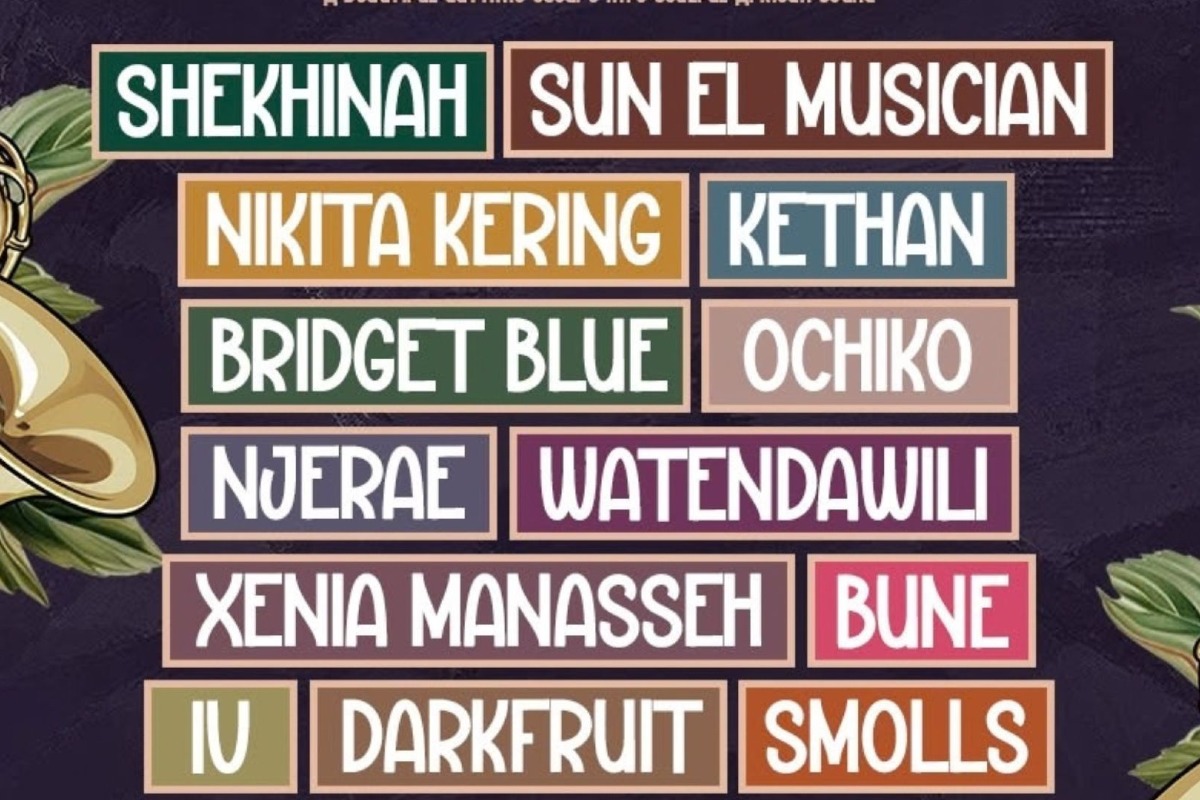
Martell and Africa House have unveiled 25 emerging music creatives for Swift Academy Nairobi — with mentors Bensoul, Njerae, Anyiko Owoko and Joey Akan leading the programme.
Ask anyone who has been in Kenya's music industry for more than five years what the biggest gap is and the answer is rarely the talent. The talent has always been here.The gap is access — to the people who can open doors, to the knowledge that turns raw ability into a sustainable career, to the rooms where the real conversations happen. Swift Academy, the pan-African talent development platform created by Martell and curated by Africa House, has been built specifically around that gap.
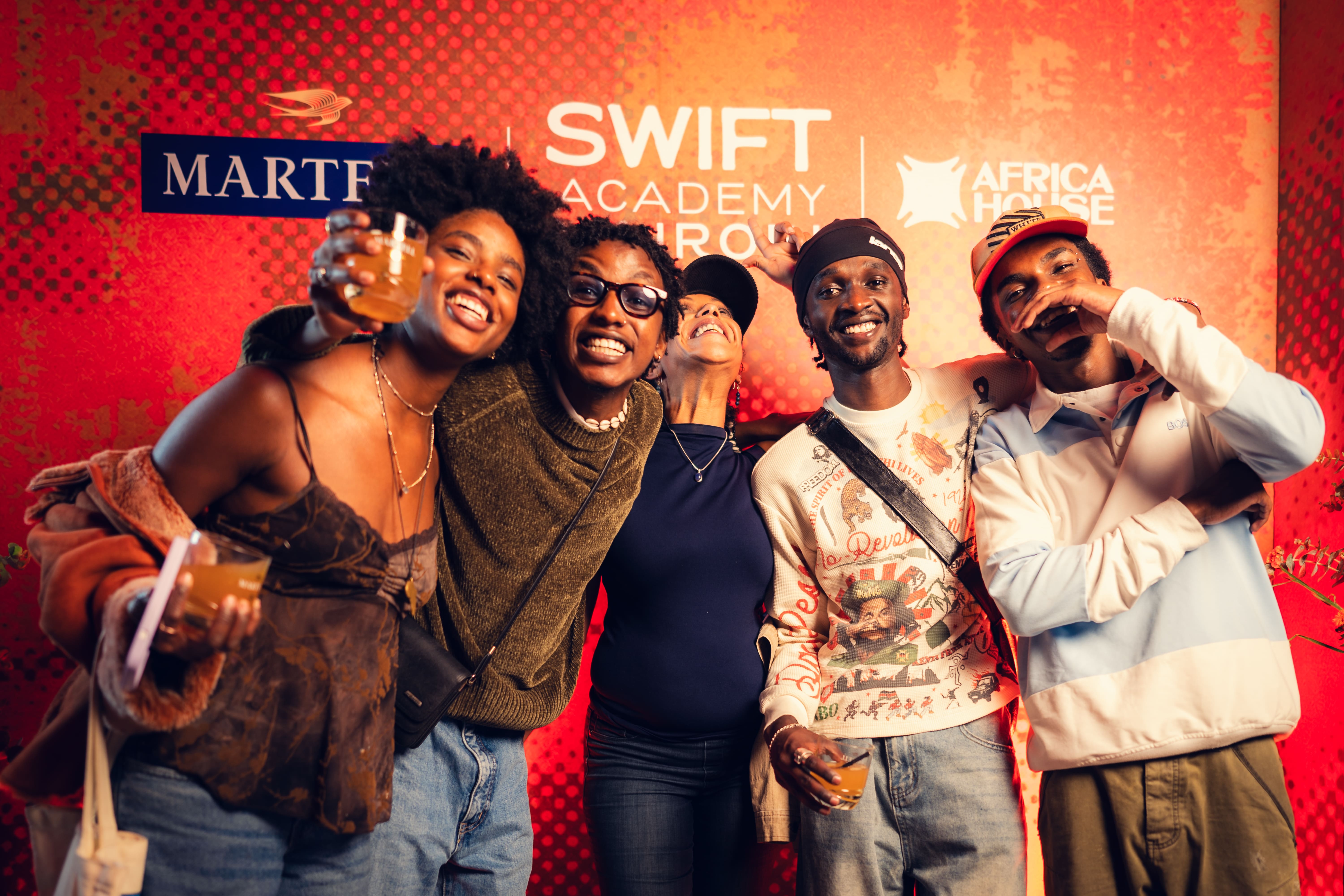
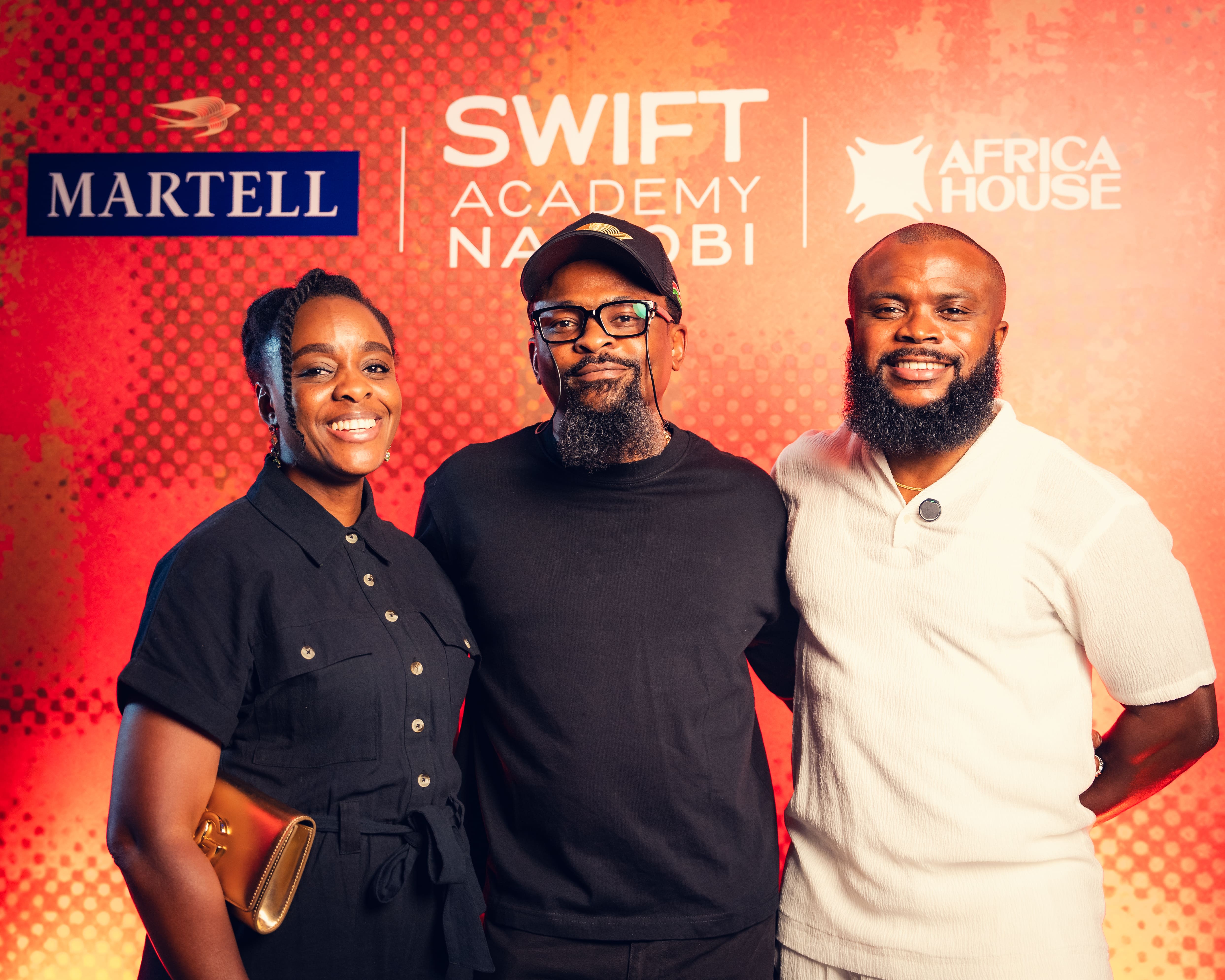
At an industry mixer in Nairobi this week, 25 emerging music creatives and professionals were officially unveiled as the first Nairobi cohort of Swift Academy — marking the programme's arrival in Kenya as part of its pan-African expansion. The mixer brought together the selected participants, their mentors and figures from across the music and creative industries for the first formal gathering of what promises to be one of the most substantive talent development initiatives the city has seen.
The programme is built around a straightforward but genuinely rare premise: give emerging creatives and professionals structured access to experienced practitioners, practical knowledge and industry relationships — not through a one-day workshop or a panel they can watch from a distance, but through sustained, direct engagement over several weeks.
Over the coming weeks, the 25 participants will take part in mentor-led conversations, breakout mentorship sessions, workshops, networking opportunities and creative collaborations, while gaining access to studio time, professional development support and community spaces. The programme culminates in a showcase and progress presentations in October, where participants share what they have built across the course of the Academy.
Crucially, the support does not end when the in-person programme does. Ongoing virtual check-ins and mentorship will continue beyond the activation period, helping participants apply what they have learned and maintain the relationships developed through the Academy over time. That commitment to continuity is the thing that distinguishes Swift Academy from the many one-off industry events that leave participants inspired but unsupported.
The mentors: five people who have actually done it
The mentor lineup is the clearest signal of how seriously Martell and Africa House have approached the Nairobi edition. These are not names on a letterhead. They are practitioners who have built meaningful careers across different parts of the music ecosystem — and who are now directly accessible to 25 emerging creatives in a way that most industry events simply do not make possible.
Bensoul is one of the most versatile musicians in Kenya's contemporary scene — a singer, songwriter and multi-instrumentalist whose career has demonstrated that artistic depth and commercial success are not mutually exclusive. His trajectory from open mic stages to sold-out shows and international recognition contains practical lessons that no classroom can teach.
Njerae is a singer, songwriter and producer whose artistic identity has been built on her own terms — soulful, intimate and consistently original. Her presence as a mentor brings a perspective on what it means to develop an artistic voice while navigating an industry that does not always make space for it easily.
Anyiko Owoko is one of the most respected music publicists and curators in East Africa, operating at the intersection of music, media and cultural strategy. For the participants in Swift Academy who are on the professional rather than the artist side of the industry, her mentorship is the most directly applicable to their career paths.
Monica Kemoli brings an executive perspective to the cohort — a music and culture professional whose experience spans the institutional and commercial dimensions of the industry that artists and creatives must ultimately navigate to build sustainable careers.
Joey Akan is a music journalist and cultural commentator whose writing about African music, particularly the Nigerian music industry, has helped define how the continent's creative economy understands itself. His presence in the mentor cohort is a recognition that media, criticism and cultural narrative are as much a part of the music ecosystem as the music itself.
The first programme session took place on Tuesday 15 September, with all five mentors on a panel conversation focused on their experiences, the practical realities of building sustainable careers and the lessons that only come from having lived them.
Lanre Odutola, Head of Culture and Partnerships at Martell, was clear about what Swift Academy is trying to create:
"Our goal is to provide meaningful access, encourage collaboration and give participants the practical support to strengthen their skills and build relationships that can continue beyond the programme."
That framing — relationships that continue beyond the programme — is the most important part of what Swift Academy is attempting. The music industry, everywhere in the world but perhaps especially in Kenya, runs on relationships. Who you know is not a cynical shortcut. It is the actual infrastructure of a career. An emerging creative who leaves Swift Academy with five mentor relationships, 24 peer relationships and the professional development to know how to use them is in a materially different position from the one they were in before it started.
Jade Kelly Wilson, Co-founder of Africa House, reflected on the applications received:
"The quality and range of applications showed how much ambition and talent already exists within Nairobi's creative ecosystem. What these 25 participants now have is an opportunity to learn from experienced practitioners, exchange ideas with one another and gain access to relationships and resources that can help them take the next step in their development."
Why Martell, and why now
The Martell and Swift Academy partnership reflects a cultural strategy that the cognac brand has been developing deliberately across Africa — positioning the brand not in nightlife spaces but in creative industry spaces, as a genuine investor in the ecosystems that shape culture rather than simply a sponsor of the culture's most visible moments.
Swift Academy is the fullest expression of that strategy in Kenya. A programme that produces 25 better-equipped music professionals is not simply a brand activation. It is a contribution to the creative economy that continues to pay forward long after the October showcase.
What happens next
The first Swift Academy session took place from Tuesday 15 September. The showcase and progress presentations land in October. Twenty-five emerging creatives are about to spend several weeks in the company of five of the most experienced practitioners in Kenya's music industry.
The industry mixer was the introduction. The work starts now.