Nairobi's most interesting generation is rethinking alcohol — and still having the best time
L
Leisure Collective
Author
239
0
0
Sober parties, café raves and alcohol-free nights out are reshaping Nairobi's social scene. Here's what it says about who young Kenyans are becoming
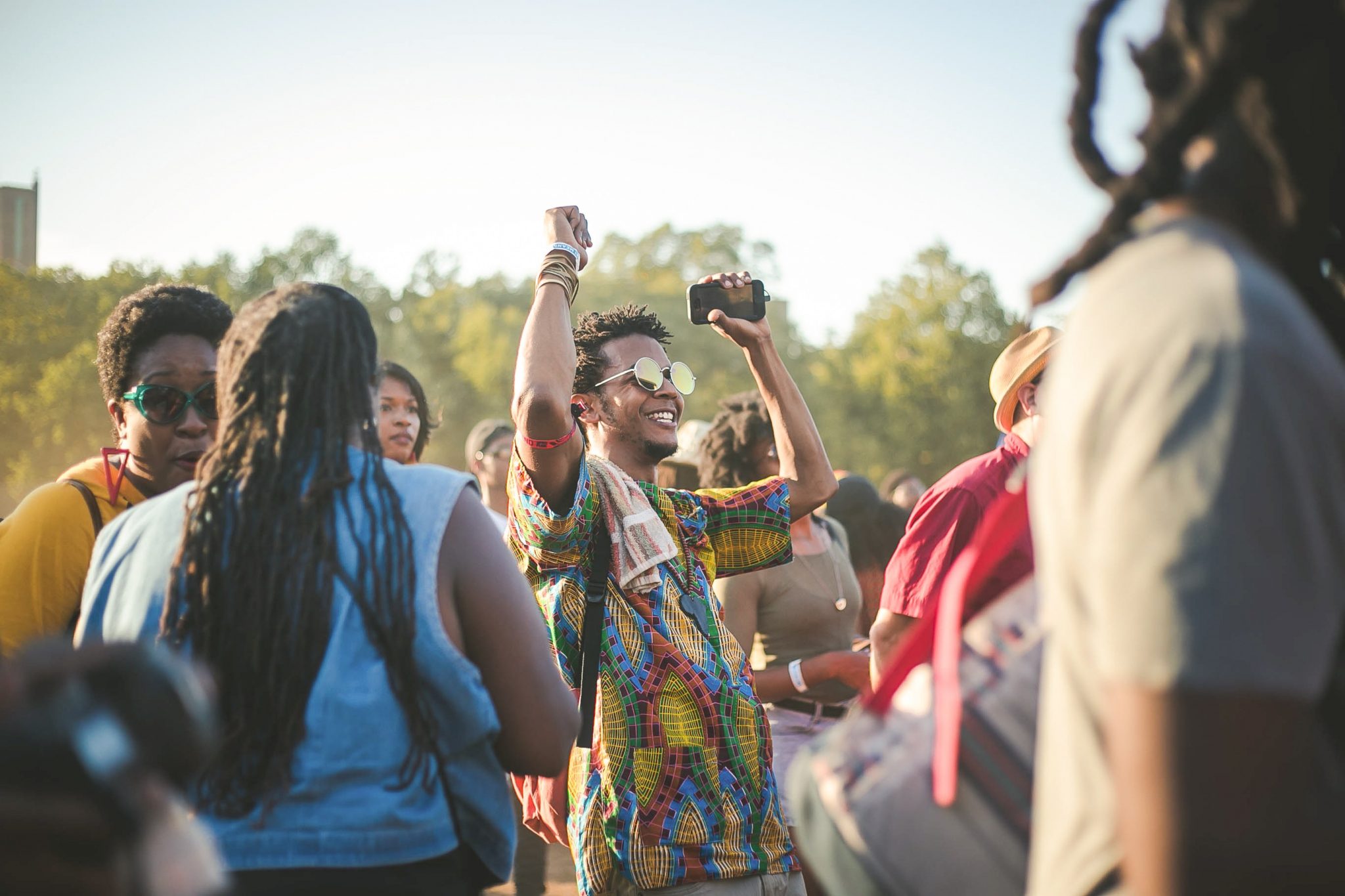
Something is shifting in Nairobi's social scene. Not loudly, not with a manifesto — but in the quiet choices accumulating across a generation of young Kenyans who are showing up to dance floors sober, booking tickets to 9 AM parties, and discovering that the most memorable nights are the ones they can actually remember.
This is not a sobriety movement in the traditional sense. Nobody is preaching. Nobody is asking for your drink order and judging the answer. It is something more nuanced and more interesting than that — a generation quietly interrogating the role alcohol has always played in how Kenyans socialise, and finding, more often than not, that the role is smaller than they thought.
The question nobody was asking out loud
For most of Nairobi's social history, alcohol has been infrastructure. It was the social lubricant, the event anchor, the thing that justified a late Friday night and explained away a lost Saturday morning. The bar tab was the price of admission to an adult social life, and questioning that arrangement was either a religious position or a medical one — not a lifestyle choice made by someone who simply wanted to dance until noon and still make their afternoon plans.
Many young Nairobians are not quitting drinking entirely. They are just asking different questions about their social lives. Who am I when I do not need a drink to unwind? What does fun feel like when I can remember it? Some come because they are taking a break. Others because they are exploring sobriety permanently. And some because they just want to dance at 10 AM and still have lunch plans after.
That last category is larger than anyone expected. And the events industry in Nairobi has noticed.
What the scene actually looks like
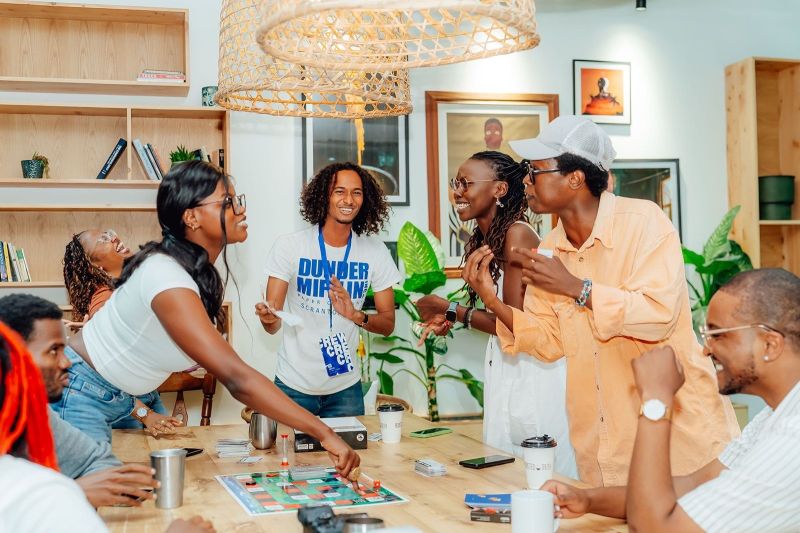
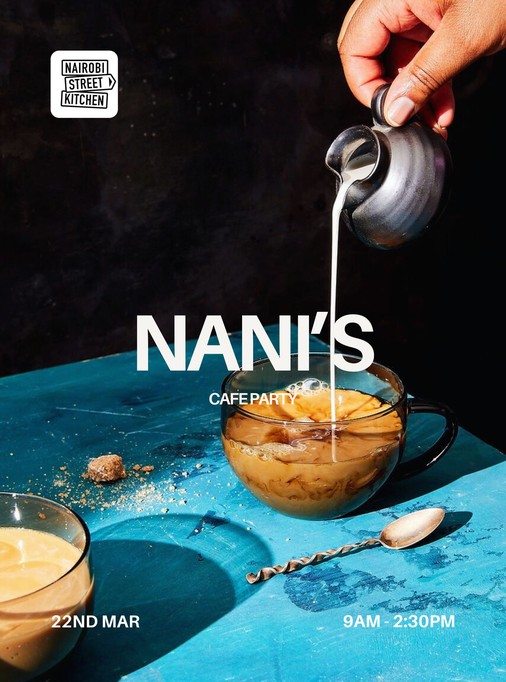
The most visible expression of this shift isNani's Cafe Party, described as Africa's first sober café party experience, born in Nairobi through the Qaramel Collective. The concept is straightforward enough to sound impossible: a party that starts at 9 AM, serves coffee instead of cocktails, has a proper DJ and a dancefloor that actually fills up. No alcohol. No hangover. No Sunday written off.
Picture courtesy Nanis Cafe PartyPicture courtesy Nanis Cafe Party
What Nani's Cafe Party discovered — and what its growing audience has confirmed across every edition — is that the energy in a room is not produced by the bar. It is produced by the people. "Sober is not the headline," said one regular attendee who has come to every edition since the pilot. "The headline is, this feels good. Like, actually good. Not good for now and then I will deal with it tomorrow."
On the faith-centred end of the same cultural conversation, Gospel House has arrived in Nairobi from Lagos — an event series and emerging genre that blends afro house and EDM with Gospel vocals, creating an in-between space that is not quite a nightclub and definitely not a church. Kenyan events curator Wanjiru CatherineMuthoni, who brought Gospel House to Nairobi, has watched the rise of daytime sober events in the city and felt something was missing — a space where Christians specifically could go and genuinely have fun. The response has been significant enough that she is already planning another edition.
Beyond Nairobi, the movement is extending its reach — coastal cafés in Mombasa host sober evenings with coconut-based drinks and Taarab music, while pop-up events in Nakuru draw crowds looking for calm, alcohol-free nights. This is no longer a Westlands phenomenon. It is a Kenyan one.
Why now — and why this generation
The rise of sober social spaces coincides with a larger shift among Gen Z and late millennials in Nairobi — a generation shaped by information overload, economic pressure and mental health awareness. These are people who grew up with access to more information about what alcohol actually does to a body and a mind than any previous generation. They have watched mental health conversations open up in Kenya in ways that were unthinkable a decade ago. And they are operating in an economic environment where a KES 1,000 cocktail requires a genuinely different calculation than it did five years ago.
Rising food prices and tighter budgets mean fewer people want to spend thousands on drinks. A KES 300 coffee makes more sense than a KES 1,000 cocktail. At the same time, lifestyle diseases are pushing many towards healthier choices — not from fear, but from a growing awareness that what you put in your body on a Friday night has a direct relationship with how you feel on Monday morning, and how you perform in the weeks that follow.
There is also something harder to quantify but equally real: a growing sense among young Nairobians that alcohol was doing social work that they could do themselves. That the confidence, the openness, the willingness to dance badly in public — none of it actually required a drink. It just required the right room.
What this means for Nairobi's social identity
Nairobi has always had a reputation as a city that knows how to have a good time. That reputation is not going anywhere. The rooftop bars are full. The late-night clubs are booked. Rhythm & Brunch sells out. The Millennials Cookout draws thousands.
But alongside all of that, something new is being built — a parallel social infrastructure that does not require alcohol as its foundation, and that is drawing a genuinely enthusiastic audience. These two scenes are not in conflict. They are serving different needs for the same generation of people, sometimes the same people on different weekends.
"It's not about being boring," says one Nairobi DJ who performs at sober events. "It's just fun without the blur."
That framing is the key to understanding what is actually happening here. This is not about abstinence as virtue. It is about clarity as preference. It is about a generation that has decided, in larger numbers than anyone predicted, that the blur was never the point — and that the music, the people and the morning after are all better without it.