Postpartum Depression In Kenya: The Silent Crisis Nobody Is Talking About
L
Leisure Collective
Author
235
0
0
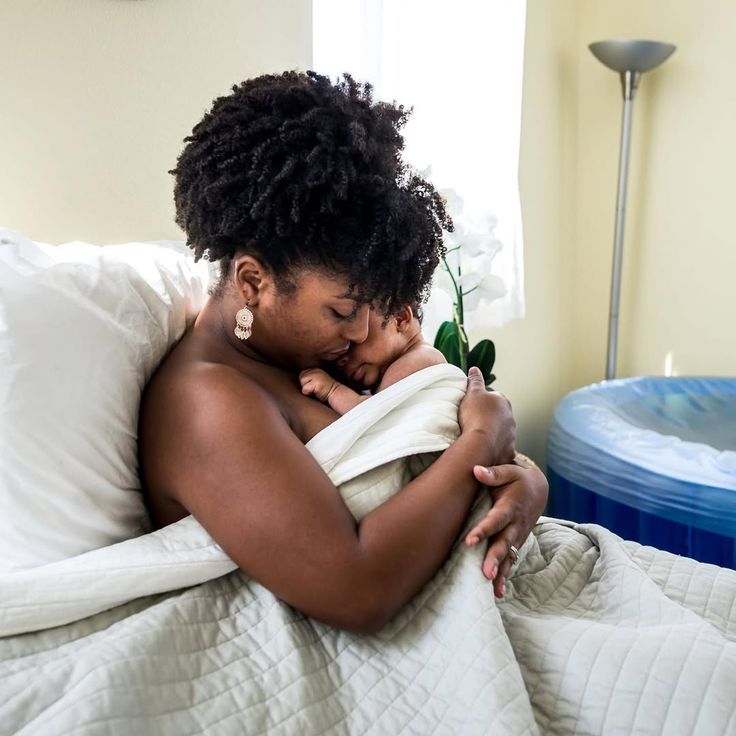
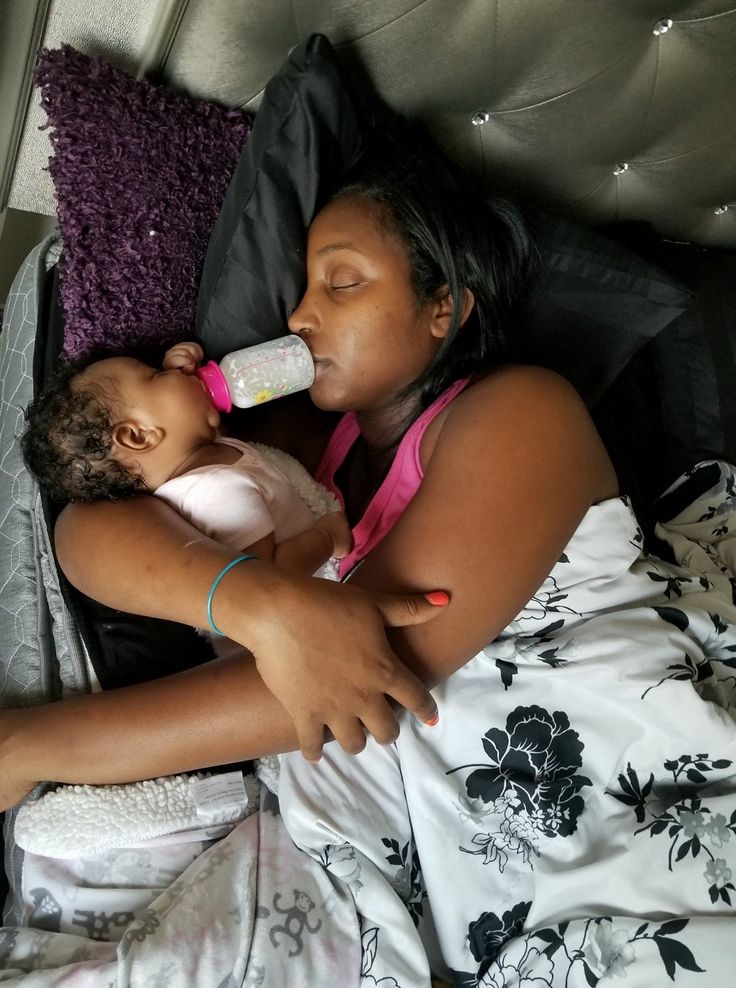
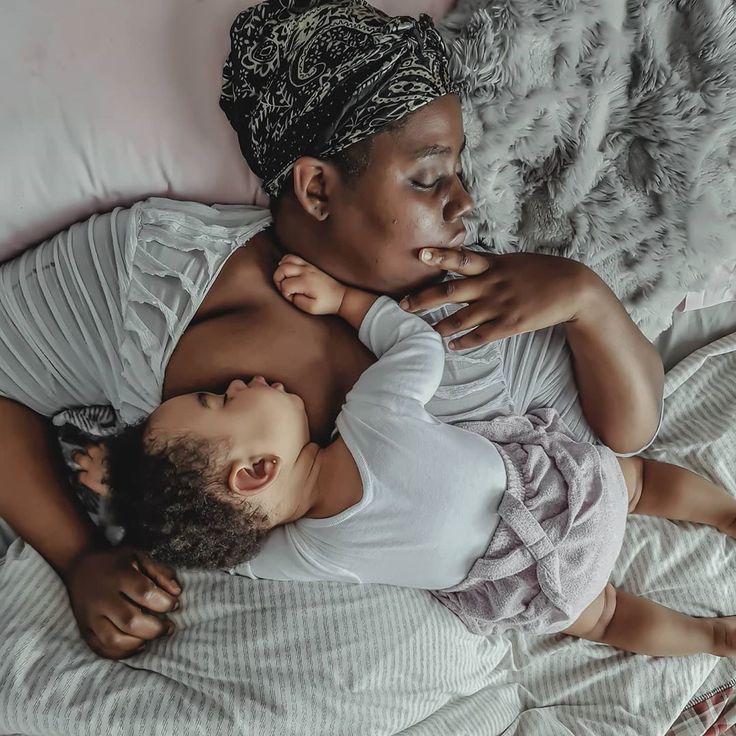
She just had a baby. She should be happy. That's what everyone keeps telling her. But she can't sleep, can't stop crying, and feels nothing when she holds her newborn. She is not a bad mother. She is one of nearly 1 in 5 Kenyan women living with postpartum depression — in silence.
She just gave birth. Everyone tells her she should be glowing. But she hasn't slept properly in weeks — and not just because of the baby. She stares at the ceiling and feels nothing. Or everything, all at once. She cries without knowing why. She wonders if her baby would be better off with someone else.
She is not ungrateful. She is not a bad mother. She is one of nearly one in five Kenyan women experiencing postpartum depression — and the system designed to care for her almost certainly will not catch it.
The Numbers Kenya Is Not Talking About
Postpartum depression affects an estimated 18.7% of mothers in Kenya — slightly above the global average of 17.7%. That is not a marginal figure. It means that in any maternity ward, clinic, or postnatal group, nearly one in five women present is battling something far beyond the ordinary exhaustion of new motherhood.
In urban low-income populations — which make up a significant share of Nairobi's mothers — postpartum depression rates range from 19–27%, with antepartum (pregnancy) depression even higher at 33–38%. The burden is not evenly distributed; it lands heaviest on women who already have the least support.
The odds of postpartum depression increase more than sevenfold in the presence of conflict with a partner. Financial stress, food insecurity, complicated deliveries, prior mental health history, and lack of social support are all independently linked. These are not rare circumstances for most Kenyan mothers — they are daily realities.
And yet most of these women will never be screened, never diagnosed, and never offered treatment.
Baby Blues vs. Postpartum Depression: Know the Difference
This distinction matters because it's the most common reason women dismiss their own symptoms.
Baby blues affect up to 80% of new mothers. They typically begin 2–3 days after delivery, last no more than two weeks, and involve emotional sensitivity, tearfulness, and mood swings. They resolve on their own as hormones stabilise.
Postpartum depression is different. It is deeper, longer, and does not pass without support. It can begin any time in the first year after birth — not just in the first days. Symptoms include persistent low mood, inability to bond with the baby, anxiety or panic attacks, feelings of worthlessness or guilt, difficulty sleeping even when the baby sleeps, loss of appetite, and in severe cases, thoughts of harming oneself or the baby.
If what you are experiencing has lasted more than two weeks, is getting worse rather than better, or is interfering with your ability to care for yourself or your baby — it is not baby blues. It deserves medical attention.
Kenya's postnatal care protocol does not include routine mental health screening. A mother discharged from a public hospital after delivery will typically receive guidance on breastfeeding, immunisation schedules, and family planning. What she will almost never receive is a standardised screening tool for postpartum depression — something as simple as the Edinburgh Postnatal Depression Scale, a 10-question survey that takes under five minutes to complete.
The burden of maternal postpartum depression and anxiety is disproportionately high in sub-Saharan Africa, yet advanced analytical methods to capture the complex interplay of variables influencing these conditions remain underexplored. Translation: we know the problem is large. We are still years behind on fixing it.
In Kenya, 15% of adolescent girls become mothers before the age of 18 — a group at significantly elevated risk for postpartum depression. These are teenagers navigating new motherhood without the support structures that even adult mothers struggle to access.
The mental health infrastructure gap is real. Kenya has 0.19 psychiatrists per 100,000 people. Community health workers — the frontline of Kenya's health system — are rarely trained to identify or respond to maternal mental health symptoms. And the stigma of mental illness in Kenya means that even when mothers recognise something is wrong, asking for help feels impossible.
What Postpartum Depression Actually Looks Like in Kenya
The clinical descriptions rarely capture it the way women who've lived it do.
A 2022 study with the Endo Sisters East Africa Foundation found women describing years of seeking help and being dismissed. Postpartum depression in the Kenyan context carries an additional layer: the cultural expectation that motherhood is always joyful, that a woman who is struggling is ungrateful, spiritually weak, or "not coping". Women internalise these judgements and stay silent.
Some present with irritability rather than sadness, which is less recognisable as depression both to the woman herself and to the health worker who sees her. Some develop anxiety that is dismissed as first-time-mother nervousness. Some slip into a numbness that looks, from the outside, like they're fine.
They are not fine. And they deserve more than a society that can only see them as mothers, not as patients.
If you are a new mother: You do not need to have suicidal thoughts to seek help. Persistent sadness, inability to bond, panic, or feeling like you are failing at something you're supposed to find natural — these are enough. Tell your doctor, your community health worker, or someone you trust. Ask specifically to be assessed for postpartum depression.
If you are a partner, family member, or friend: Watch for withdrawal, unusual irritability, not eating, not sleeping when she has the chance. Do not tell her to "cheer up" or remind her how lucky she is. Ask how she is actually feeling. Then listen without fixing.
If you are a healthcare provider: The Edinburgh Postnatal Depression Scale is free, validated in Swahili, and can be administered in under five minutes at any postnatal visit. There is no clinical justification for not using it.
AfyaWatch254 Says: Suffering in Silence Is Not Maternal Love
Postpartum depression does not make a woman a bad mother. It makes her a sick person in a system that was not built to see her.
Kenya cannot keep tracking maternal mortality while ignoring the mothers who survive delivery but do not survive the aftermath – not physically, but mentally, emotionally, piece by piece.
Routine postnatal mental health screening should not be a luxury. It should be standard. And until it is, AfyaWatch254 will keep saying so.
→ If you or someone you know needs support:
Befrienders Kenya (crisis support): +254 722 178 177