Samsung Galaxy Watch9 Review: The Smartwatch That Actually Understands Your Body (Kenya 2026)
L
Leisure Collective
Author
284
1
0
The Samsung Galaxy Watch9 is now in Kenya from KES 42,200. Here's what it actually does, why it matters for your health and whether it's worth buying in 2026
The Samsung Galaxy Watch9 is here — and it is less of a gadget and more of a health companion
Let's be honest about how most people in Kenya use a smartwatch. It tells the time, counts steps, shows notifications and occasionally reminds you to stand up when you have been sitting too long. That is not wrong. But it is also not what the Galaxy Watch9 is built for. And the gap between what people expect from a smartwatch and what this one actually does is the most interesting thing about it.
Samsung has just launched the Galaxy Watch9 in Kenya, priced from KES 42,200, and the pitch is genuinely different from anything that came before it. This is not a fitness tracker that looks like a watch. It is an AI-powered health system that sits on your wrist, learns how your body works, and gives you genuinely useful information about it. Here is what that actually means in practice.
The one feature that changes everything: Energy Score
Most health apps give you data. The Galaxy Watch9 gives you interpretation.
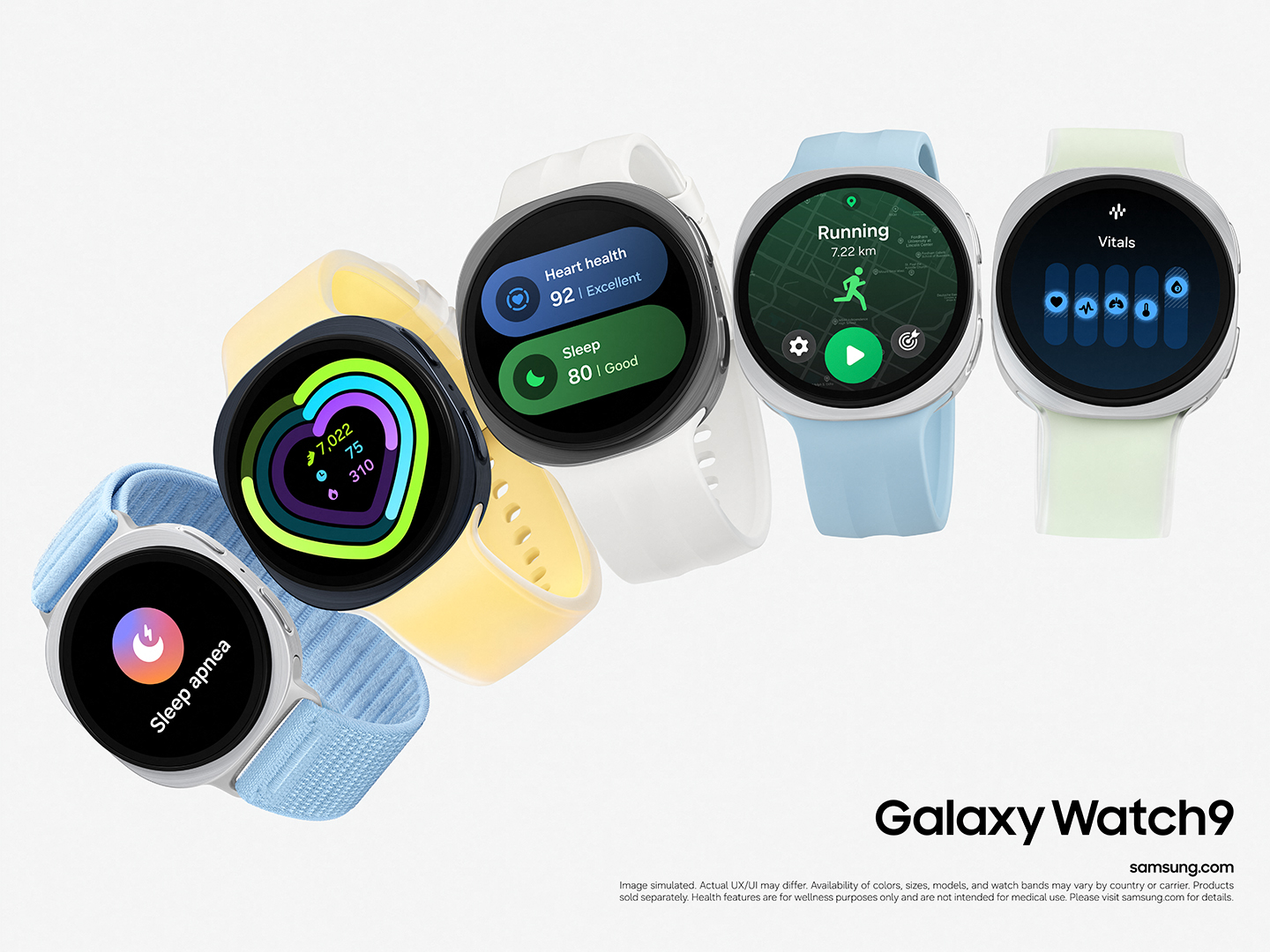
The new Samsung Health app, revamped for the Watch9, uses AI to synthesise everything it captures overnight — your heart rate variability, your blood oxygen levels, your sleep stages, your skin temperature — and turns it into a single morning number: your Energy Score. Think of it as your body's honest verdict on how ready you are for the day, before you have had your coffee and convinced yourself you feel fine.
Alongside Energy Score, the Daily Cardio Load feature tracks the intensity of your workouts against your recovery capacity, telling you whether today is the day to push hard or the day to take it easy. These are not motivational features designed to make you feel good about using the app. They are functional tools that answer the questions serious athletes and busy professionals have always had: am I actually recovered? Should I train today or rest?
For a Nairobi professional managing back-to-back meetings alongside a morning run and an evening workout, this kind of guidance is not a luxury. It is genuinely useful.
What it tracks and how it works overnight
The Vitals feature is the Watch9's most quietly significant addition. While you sleep, the watch monitors your key biometric signals continuously and compares them against your personal baseline — not a generic average, but your own patterns over time. If something sits outside your normal range, it flags it proactively rather than waiting for you to notice something feels off.
This matters because most health problems announce themselves gradually rather than suddenly. A sleep pattern that has been slowly degrading. A resting heart rate that has been quietly rising. The Watch9 is designed to catch those patterns early, when the information is actually useful, rather than after the fact.
The app synthesises all of this into the kind of holistic, personalised picture that previously required either a doctor's visit or a significantly more expensive health monitoring setup.
The hardware: why the numbers matter
Under the hood, the Galaxy Watch9 runs on the new 3nm Snapdragon Wear Elite processor, which is a significant upgrade in practical terms. Faster processing means the AI features work in real time rather than with a lag. Lower power consumption means the battery lasts longer doing the same amount of work.
Speaking of battery: the 40mm variant carries a 390mAh battery and the 44mm carries a 445mAh battery, both improved from the previous generation. For the Kenyan user whose day starts at 5 AM with a morning run and ends at 11 PM after an evening event, battery life is not a minor specification. It is the difference between a watch you can trust and one you are constantly monitoring.
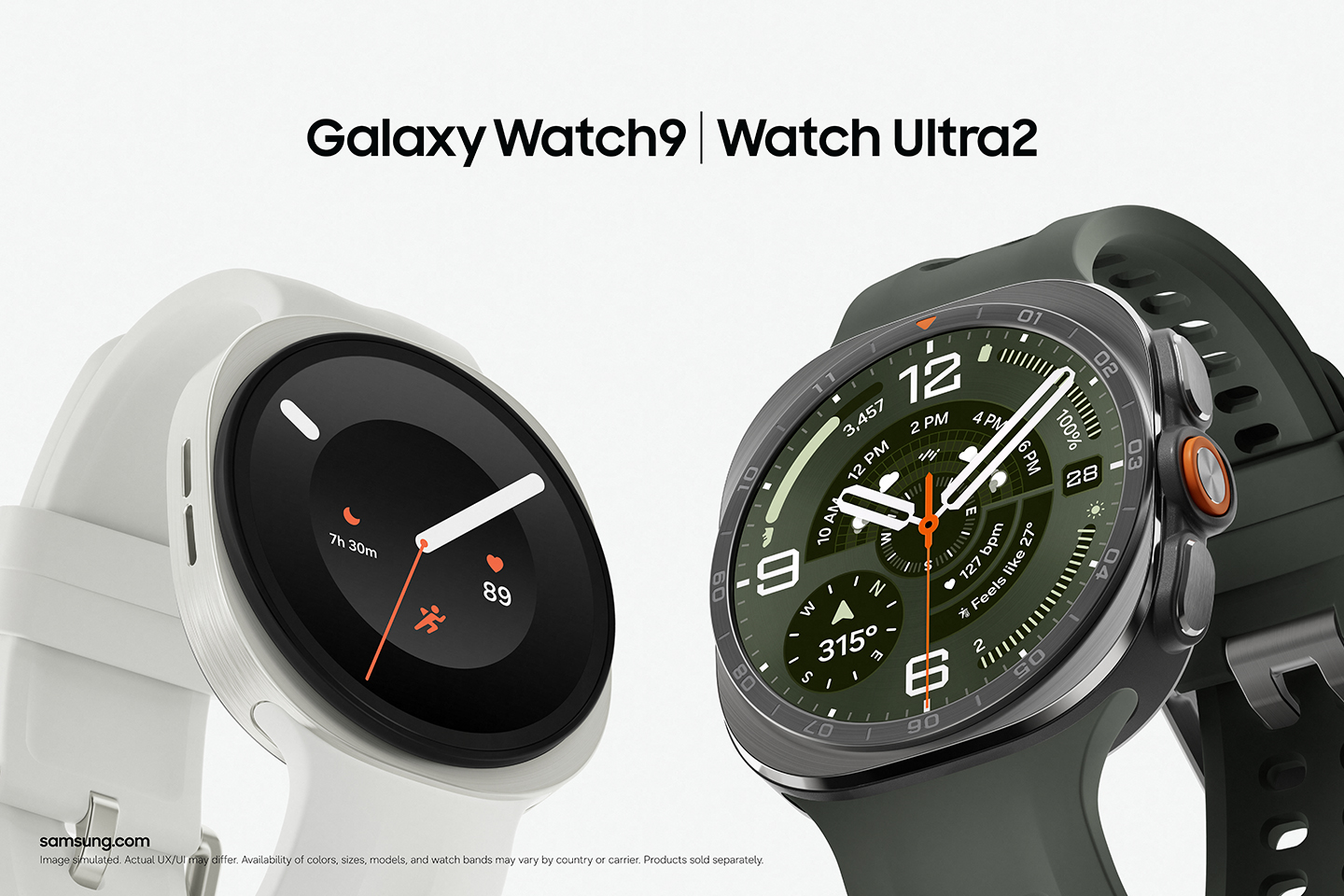
The design is clean and wearable in a way that works across contexts. Cream and Graphite for the 40mm. Graphite and Silver for the 44mm. Neither is loud. Both are appropriate for a workout, a meeting and a dinner without requiring you to change accessories.
Every Galaxy Watch9 comes with a complimentary 60-day Strava trial, which is worth noting for Nairobi's growing running community. Strava's network of 195 million active members means you can log your Karura Forest run, discover new routes across Nairobi and share achievements directly from your wrist. For anyone who has been considering Strava but has not committed to the subscription, this trial is a meaningful addition to the purchase.
What about the Watch Ultra2?
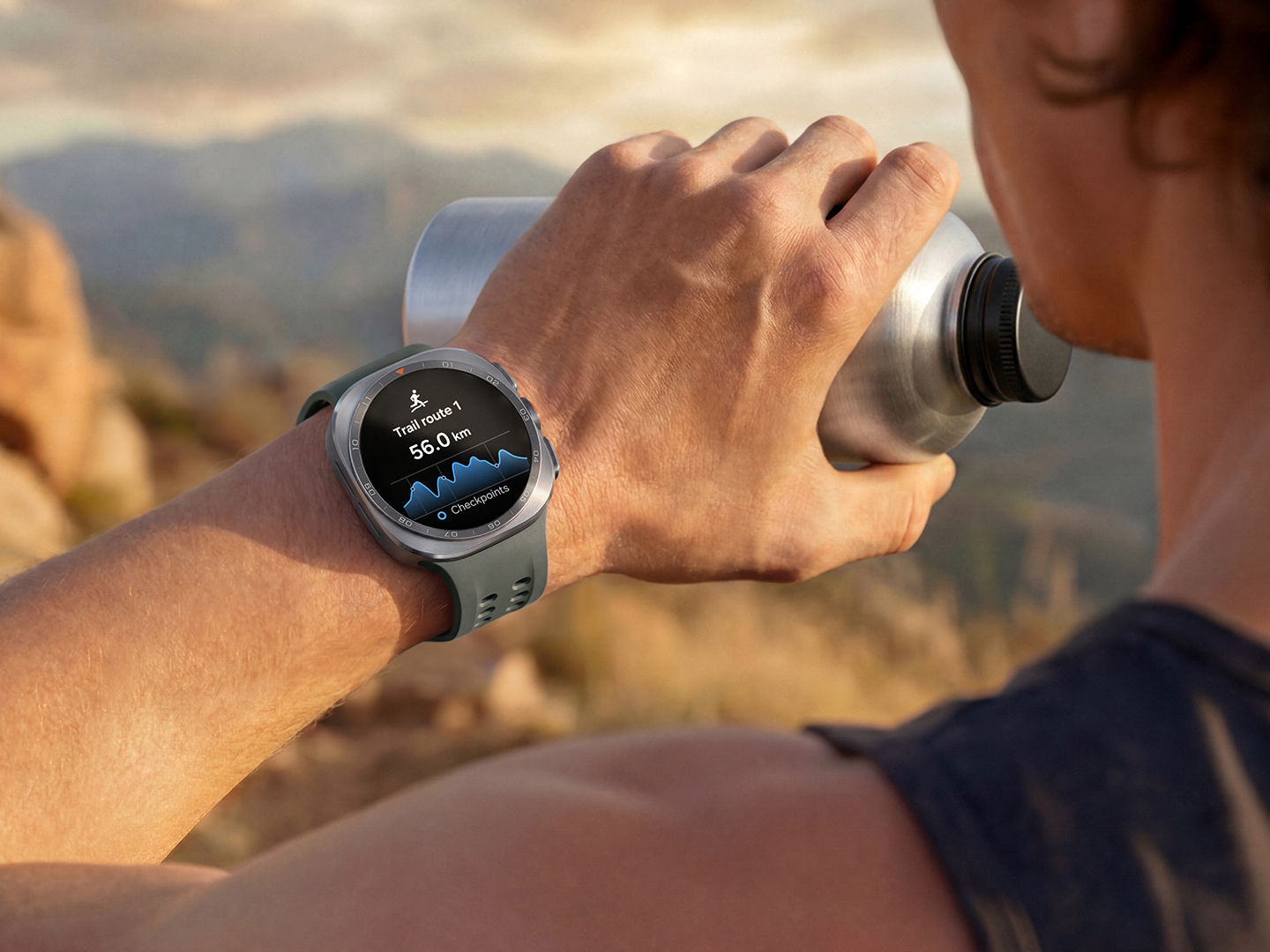
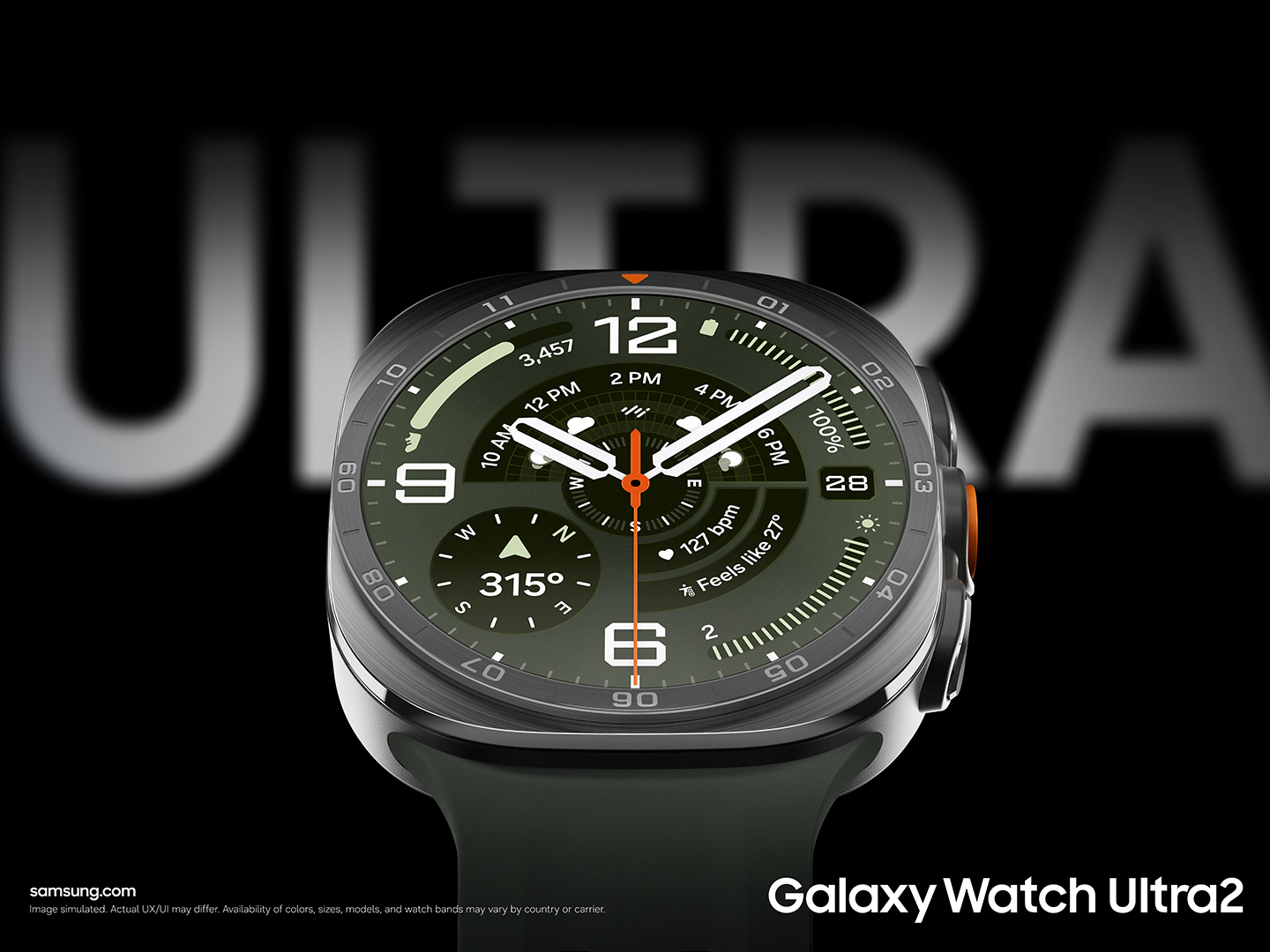
Samsung also launched the Galaxy Watch Ultra2 alongside the Watch9 — a 47mm titanium build with an 800mAh battery for multi-day endurance and an IP69K rating that qualifies it for genuinely extreme conditions. If you are training for a triathlon, hiking the Aberdares or simply want a watch that can take serious physical punishment, the Ultra2 at KES 79,600 is the one. But for the majority of Nairobi's health-conscious professionals, the Watch9 is the right device at the right price.
The Kenya angle: why this matters here specifically
Manish Jangra, Head of Mobile Experience at Samsung Electronics East Africa, put it directly:
"Whether you are running on the track, tracking your sleep, or managing a full day at the office, these devices act as the ultimate life companions."
That framing is accurate for Nairobi in 2026. The city's professional class is increasingly health-conscious, increasingly time-pressured and increasingly willing to invest in tools that give them better information about how their bodies are holding up under both. The Galaxy Watch9 speaks to that consumer more directly than any previous Samsung wearable.
The prices and where to buy
Galaxy Watch9 40mm: KES 42,200 (Cream or Graphite) Galaxy Watch9 44mm: KES 46,000 (Graphite or Silver) Galaxy Watch Ultra2 47mm: KES 79,600 (Titanium Silver or Titanium Gray)
Available now at authorised Samsung stores across Kenya.
To learn more about the Galaxy Watch Ultra2 and Galaxy Watch9, please visit samsung.com or the Samsung Global Newsroom.