Samsung just made AI accessible at every price point in Kenya — meet the Galaxy A18 LTE and A08 LTE
L
Leisure Collective
Author
22
1
0
Samsung launches the Galaxy A18 LTE from KES 32,000 and Galaxy A08 LTE from KES 23,300 in Kenya — bringing Circle to Search, Knox security and 6-year support to more users.
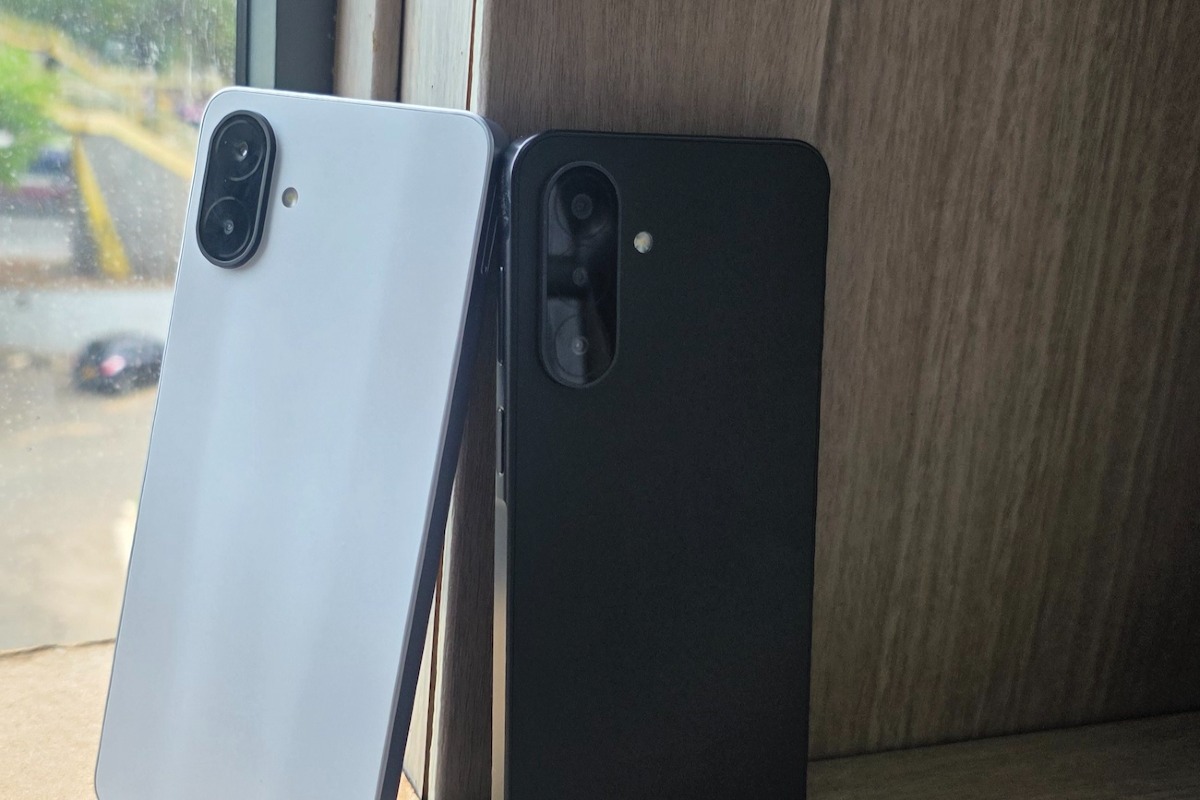
There is a pattern worth paying attention to in how Samsung has built its 2026 Kenya lineup. The Galaxy S26 FE brought flagship camera DNA to the premium mid-range. The A57 brought AI tools and Nightography further down the price ladder. The A27 extended the same suite even further. And now, with the Galaxy A18 LTE at KES 32,000 and the Galaxy A08 LTE at KES 23,300, Samsung is making Circle to Search, Knox security and six years of software support available to the widest possible audience in the market.
The question for most Kenyan buyers at this price point has never been whether a phone looks good on a spec sheet. It has been whether it holds up across two or three years of real use. Both new devices address that question directly.
Galaxy A18 LTE — the more capable of the two
Starting price: KES 32,000 (4GB + 128GB) Later this year: KES 51,600 (8GB + 256GB) Display: 6.7-inch FHD+ Super AMOLED, 90Hz Battery: 5,000mAh with 25W fast charging Main camera: 50MP autofocus with ultra-wide and 2MP depth sensor Protection: IP64 dust and water splash resistance
The Super AMOLED display is the specification that immediately separates the A18 from what most phones at KES 32,000 have historically offered Kenyan consumers. Super AMOLED means vivid colours, true blacks and comfortable brightness levels for outdoor use — not the washed-out LCD panels that have defined budget smartphones in Kenya for years. At 90Hz, scrolling through social feeds and navigating apps feels noticeably smoother than the 60Hz standard most phones at this price still carry.
The Exynos 1610 platform and LPDDR5x memory handle everyday tasks — social media, streaming, casual gaming, productivity — without the slowdowns that accumulate over months of use on less capable processors. For the buyer who has experienced a phone that felt fast on day one and sluggish by month eight, the chip and memory combination here is specifically designed to maintain consistent performance over time.
The 50MP main camera with autofocus and ultra-wide lens gives the A18 more photographic flexibility than most phones at this price. The ultra-wide is the addition that matters most in practice — group photos, landscapes and tight spaces all benefit from having the wider field of view available without needing to physically back away from the subject.
The IP64 rating and reinforced GFRP body address the durability question that matters most at this price point. A phone bought at KES 32,000 needs to survive the conditions of everyday Kenyan life — occasional rain, dust, the drop from a matatu seat. IP64 protection against splashes and dust, combined with a reinforced body, gives the A18 a level of physical resilience that is not standard at this price.
Galaxy A08 LTE — the battery that changes everything
Starting price: KES 23,300 (4GB + 64GB) Later this year: KES 33,100 (6GB + 128GB) Display: 6.7-inch HD+ PLS LCD, 90Hz Battery: 6,000mAh with 25W fast charging Main camera: 50MP autofocus with 2MP depth sensor Front camera: 8MP
The A08 LTE’s headline specification is the 6,000mAh battery — the largest on any phone in Samsung’s current Kenya lineup below KES 50,000, and genuinely significant for a market where access to reliable charging can be inconsistent. A 6,000mAh battery in regular use handles two full days without needing a top-up, which means the anxiety of a dying phone during a long commute, a day in the field or an evening out becomes significantly less common.
The trade-off against the A18 is the display — HD+ PLS LCD rather than the A18’s FHD+ Super AMOLED. For users whose primary activities are social media browsing, video calls, WhatsApp and basic streaming, the LCD display is perfectly functional. For users who care specifically about display quality for media consumption or photography review, the A18 is the better choice at the additional cost.
The 50MP main camera with autofocus delivers capable photos for everyday use, and the 8MP front camera handles video calls and selfies at a standard that most users in this price bracket will find more than adequate.
What both phones share — and why it matters
The features common to both devices are arguably as important as their individual differences.
Circle to Search 3.0 on both the A18 and A08 allows users to search for anything visible on the screen — a product in a photo, an outfit, a piece of music, a phone number — without leaving the app they are in. This is not a premium feature reserved for the S-series or the upper A-series. It is available on both of these phones. At KES 23,300 for the A08 and KES 32,000 for the A18, that represents a meaningful shift in what Samsung considers standard.
Samsung Knox Vault provides dedicated hardware-level security for sensitive information — passwords, biometric data, financial credentials. In a market where M-Pesa transactions run through the same device as entertainment and social media, hardware-isolated security is not a luxury specification. It is a practical necessity.
Gemini and Perplexity AI agents on both devices give users voice-activated and long-press access to AI assistance across apps. For first-time AI users at this price point, the entry experience is straightforward rather than buried in a settings menu.
Six generations of OS upgrades and six years of security maintenance. This is the commitment that most buyers at this price point overlook and should weight most heavily in a purchase decision. A phone bought today at KES 23,300 will still be receiving Samsung’s security updates and software improvements in 2032. Most competitor devices at this price do not make that promise.
MicroSD expansion up to 2TB on both models addresses storage anxiety — the camera app that fills up a 64GB phone within six months, the music library that does not fit, the videos that have to be deleted to make room for new ones. Expandable storage at this price point remains one of Samsung’s clearest practical advantages over the competition.
Choose the A18 LTE if display quality matters to you, if you create and consume content regularly, if the ultra-wide camera is something you will actually use, and if the step up to KES 32,000 is within reach. The Super AMOLED display and the more capable camera system justify the price difference over the A08 for users who push their phone creatively.
Choose the A08 LTE if battery life is your primary concern, if KES 23,300 is the right price point for your budget, and if your daily use is primarily communication, social media and streaming rather than photography and content creation. The 6,000mAh battery is the strongest single specification argument of any phone in Samsung’s current Kenya lineup at its price.
Both are the right choice if you want Knox security, Circle to Search, six years of software support and access to the Galaxy ecosystem on a phone that will still be receiving updates when the next generation of devices has already launched.
Where to buy
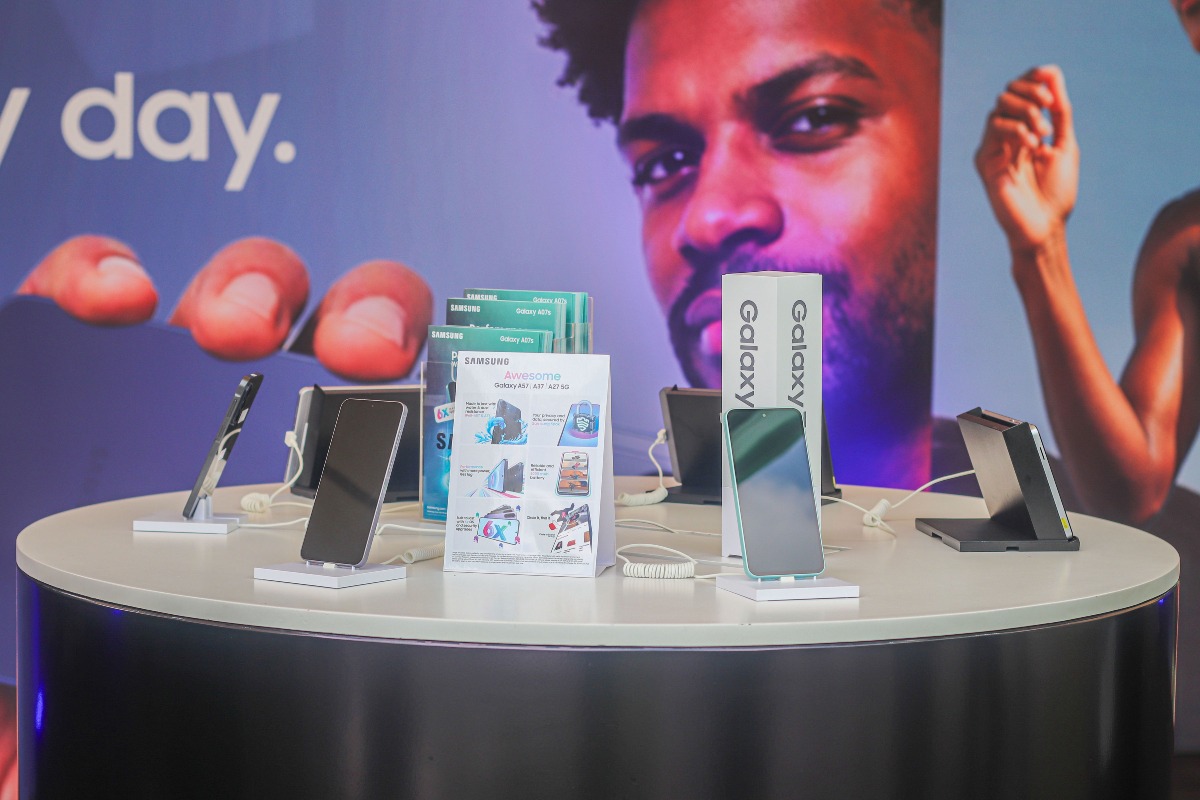
Both the Galaxy A18 LTE and Galaxy A08 LTE are available now at Samsung Experience Stores, Samsung Shop in Shops and authorised Samsung retail stores nationwide. Both support microSD expansion up to 2TB. For the latest news, please visit the Samsung Newsroom at news.samsung.com.