Unilever Has Invested KES 70 Million in Solar at Its Nairobi Factory and the Numbers Make a Strong Case
L
Leisure Collective
Author
163
0
0
Unilever has installed an 800kW solar system at its Nairobi factory, cutting emissions by 40% since 2023 and targeting KES 30 million in annual energy savings.
Unilever has put KES 70 million, approximately US$540,000, into an 800-kilowatt solar installation at its Nairobi factory, and the results are already showing. The system became operational in June 2026 and is expected to supply around 30% of the plant's electricity while cutting annual energy costs by roughly KES 30 million. Combined with an earlier transition of the factory's boilers from heavy fuel oil to biomass, Unilever estimates the facility has reduced its carbon emissions by approximately 40% against a 2023 baseline.
For a manufacturing operation of this scale, those are meaningful numbers, and they tell a story that goes well beyond a single sustainability headline.
The case Unilever is making here is not purely environmental. Predictable energy costs and a more resilient manufacturing operation are just as central to the decision as the carbon reduction, and that framing matters. It positions this as a business investment that happens to be good for the environment, rather than an environmental commitment that comes at a commercial cost.
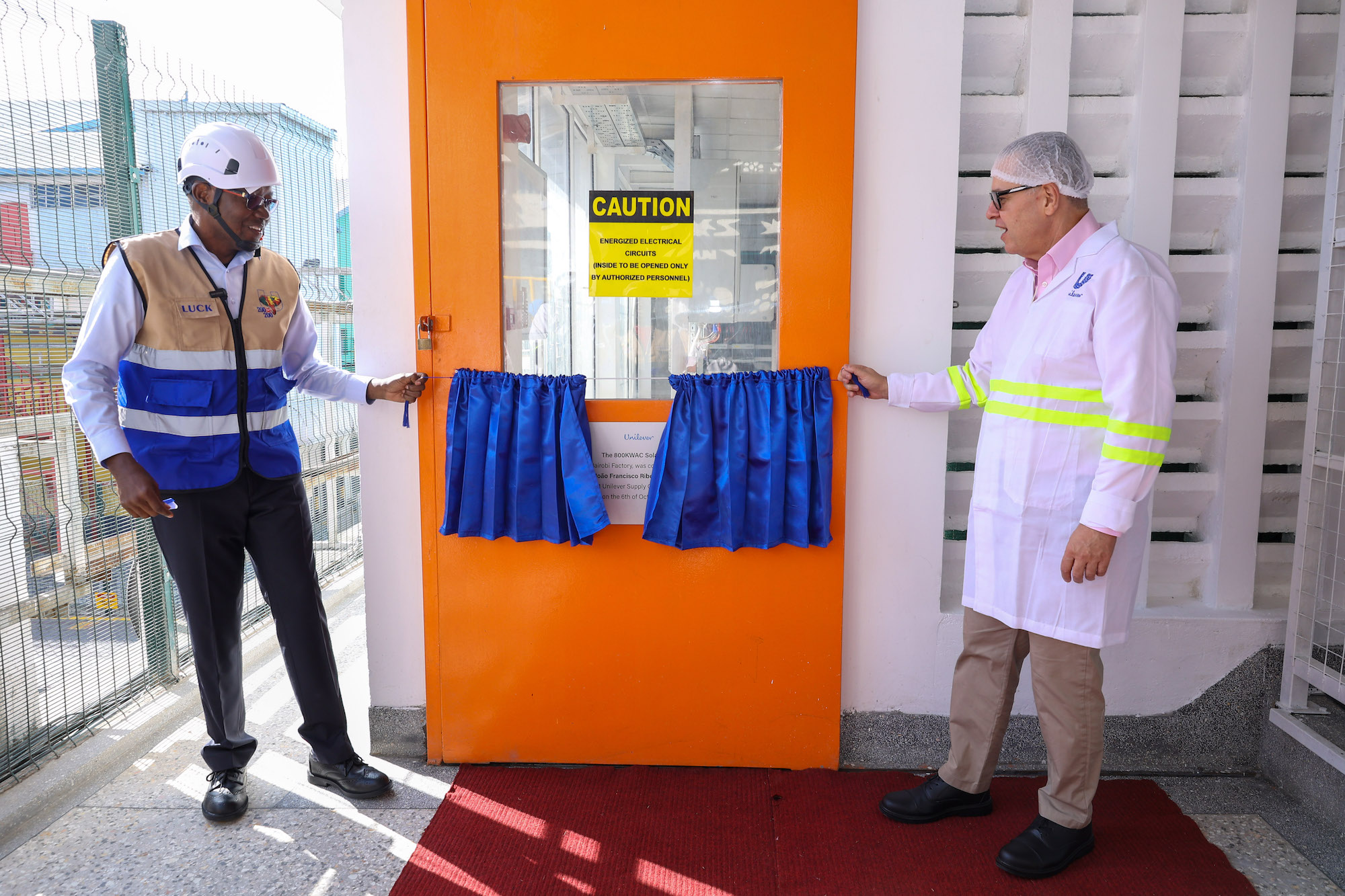
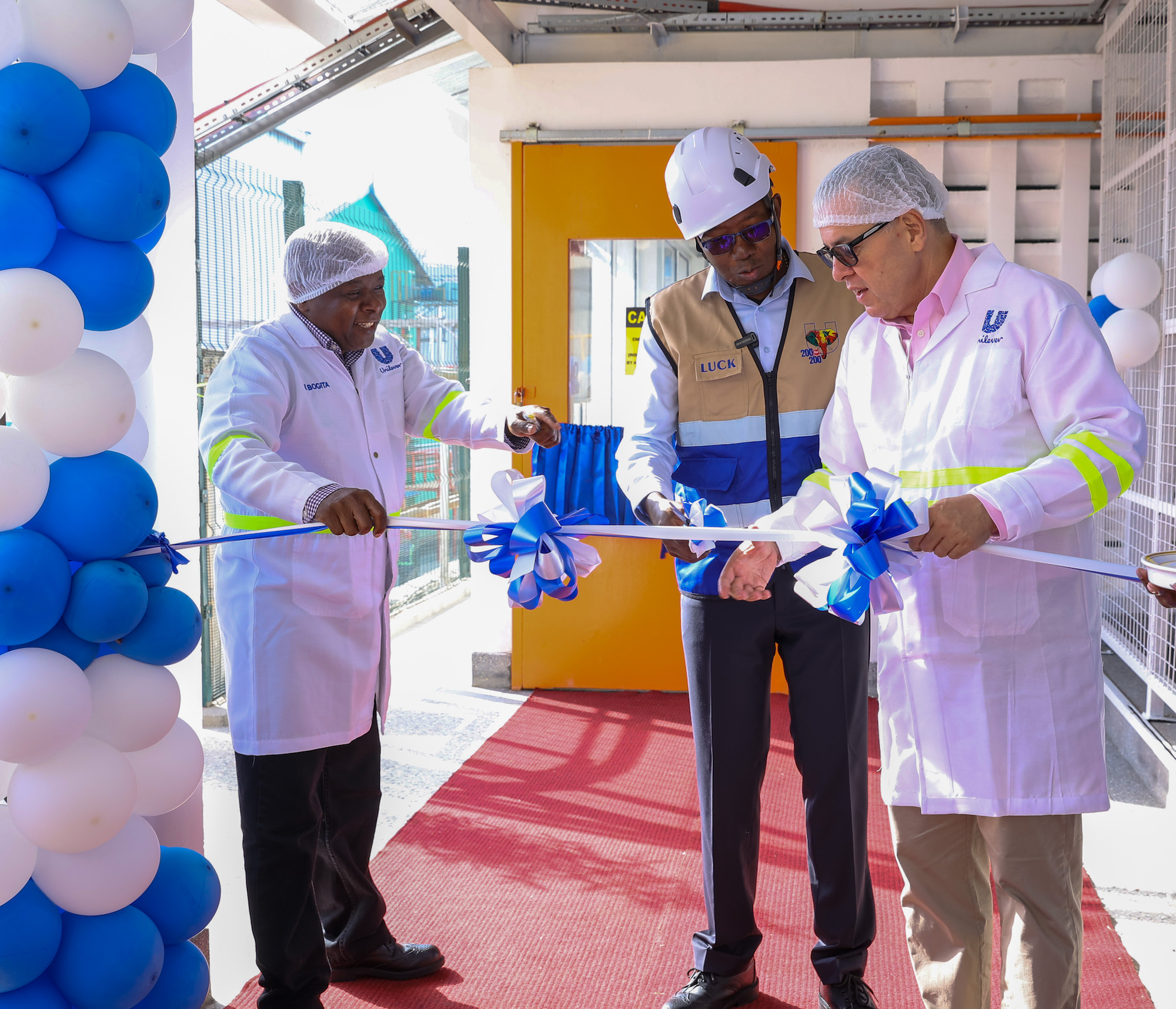
João F. Ribeiro, Unilever's Supply Chain Head, who unveiled the plant at a ceremony at the Nairobi factory, put it directly:
"Investments like this make our operations more resilient and more competitive while reducing our reliance on conventional energy. The Nairobi factory is an important part of our manufacturing footprint, and this project shows how local action can contribute to our wider climate ambitions."
Kenya's electricity grid, while significantly greener than many African nations given the country's heavy reliance on geothermal and hydroelectric power, still carries cost volatility that makes on-site generation attractive for large industrial users. An 800kW solar installation at this scale offers Unilever a meaningful hedge against that volatility while reducing grid dependence during peak production hours.
A 40% Emissions Reduction and What Drove It
The 40% reduction in carbon emissions against the 2023 baseline is the result of two separate but complementary moves. The solar installation addresses electricity consumption, while the earlier switch from heavy fuel oil to biomass for the factory's boilers tackled the thermal energy side of the operation. Together, they represent a more complete decarbonisation approach than solar alone would have achieved.
Elodie Kouassi, Head of Supply Chain for East Africa, connected the sustainability and commercial threads clearly:
"By increasing renewable energy use at our Nairobi factory, we are reducing operational emissions, managing energy costs and strengthening the resilience of our supply chain. This investment demonstrates that sustainability and strong business performance can advance together."
That framing reflects a broader shift in how multinational manufacturers operating in Africa are approaching the energy transition. The conversation has moved from whether to invest in renewables to how to do it in a way that delivers operational and financial returns alongside the environmental ones.
Unilever has confirmed that the next phase of the factory's decarbonisation programme will move hot-air generation from heavy fuel oil to biomass-based fuels, continuing the push to eliminate fossil fuel dependence across the plant's energy mix. When complete, the factory will have addressed its three primary energy inputs, electricity, process heat and hot-air generation, through a combination of solar and biomass.
The ceremony marking the installation was attended by Luck Ochieng, Managing Director for Unilever East Africa; Richard Bogita, Head of Supply Chain for East and West Africa; Elodie Kouassi, Head of Supply Chain for East Africa; and members of Unilever's Business Operations Leadership Team, reflecting the strategic weight the company places on this investment within its regional operations.
A Signal for Kenya's Manufacturing Sector
The timing is worth noting. Kenya has been steadily expanding its renewable energy capacity, with the government targeting 100% clean energy on the national grid by 2030. The country already generates over 90% of its electricity from renewable sources, primarily geothermal, hydro and wind, making it one of Africa's cleanest grids. Against that backdrop, private sector investments like Unilever's solar installation add an important industrial dimension to the clean energy story, demonstrating that large manufacturers are willing to invest their own capital in on-site generation rather than relying solely on grid improvements.
For Kenya's broader manufacturing sector, the Unilever Nairobi installation is a useful data point. A KES 70 million investment recovering KES 30 million annually in energy savings represents a payback period of just over two years on the energy cost savings alone, before accounting for emissions benefits, supply chain resilience or the longer-term value of reduced fossil fuel exposure.
The numbers make a compelling case. The fact that Unilever is already planning the next phase suggests the results so far have done nothing to slow that momentum.