You're Registered for SHA. You Still Got a Bill. Here's Why.
L
Leisure Collective
Author
257
0
0
SHA said you were covered. Then you got sick, went to hospital, and still came home with a bill. You are not alone — and you were not lied to by accident.
She registered for SHA the week it launched. She got the message confirming her enrollment. She told her family they were covered now.
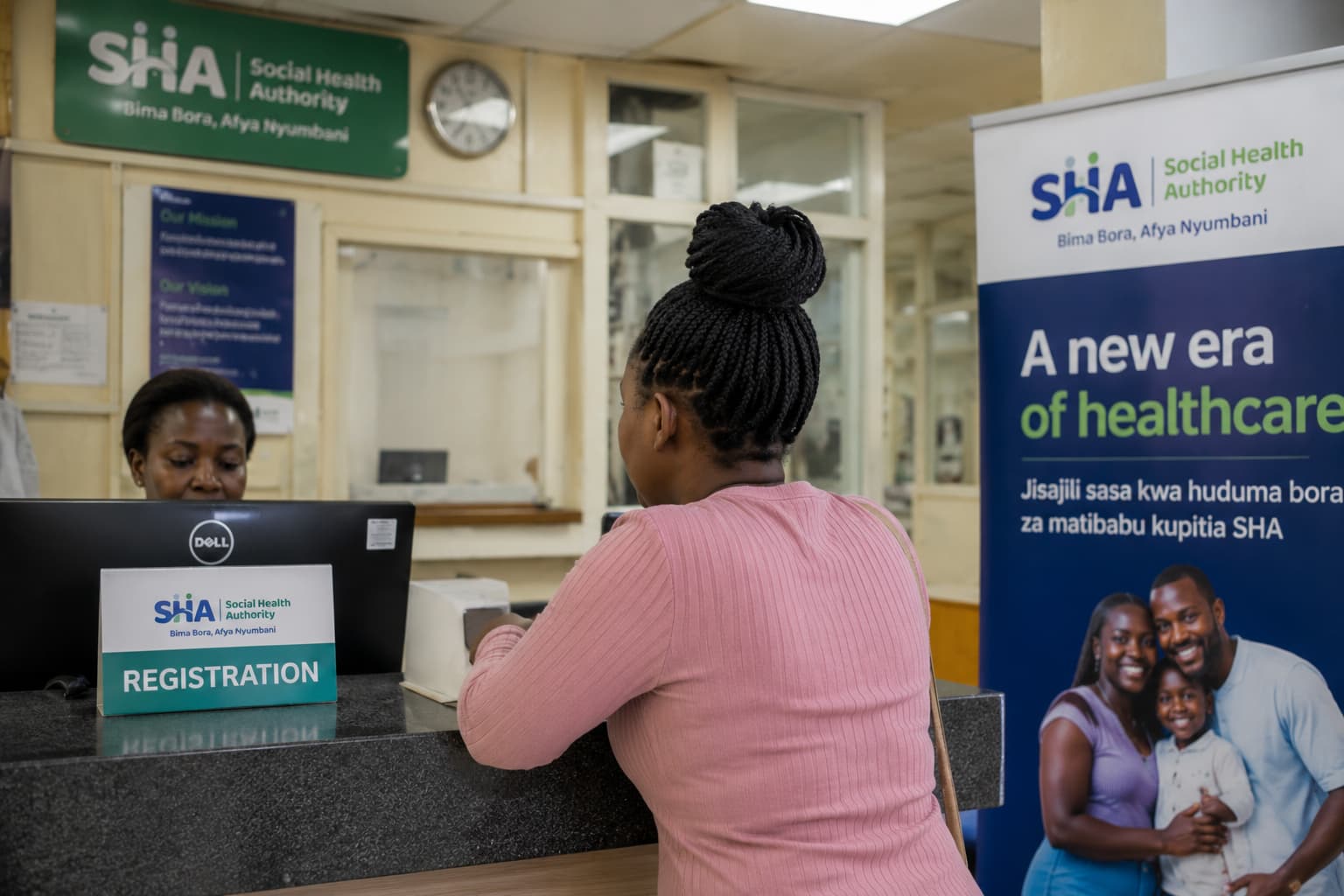
Then her son needed treatment at a referral hospital. She presented her ID at registration. SHA was verified. She sat down, relieved.
She left with a bill.
Not a small one. A co-payment that SHA does not cover at that facility level, for a procedure that SHA's tariff rate does not fully reimburse, dispensed by a private pharmacy because the hospital's drug supply had run out. She was not told any of this before the treatment. She found out at discharge.
This is not an isolated story. It is a structural feature of how SHA currently operates — and most Kenyans enrolled in the scheme have no idea it exists until it happens to them.
What SHA actually promised
When the Social Health Authority launched in October 2024, replacing the National Hospital Insurance Fund, the promise was clear: universal health coverage, reduced out-of-pocket costs, and a system that would follow you from primary care all the way to specialised treatment.
The scheme has delivered on some of this. By mid-2026, SHA had enrolled over 31 million Kenyans and financed more than 1.16 million deliveries. For maternity care in particular — the most visible and most used benefit — SHA has made a real difference. Women who would have faced delivery bills of tens of thousands of shillings are delivering at public and mission hospitals with SHA covering the cost.
But SHA is not the seamless, full-coverage system the launch messaging implied. It has gaps, caps, and exclusions that patients are routinely discovering mid-treatment. And the system was not designed to explain them upfront.
The most common complaint from patients across Kenya in 2026 is not that SHA failed entirely. It is that SHA covered part of their visit — and nobody told them it would not cover the rest.
Here is how it happens:
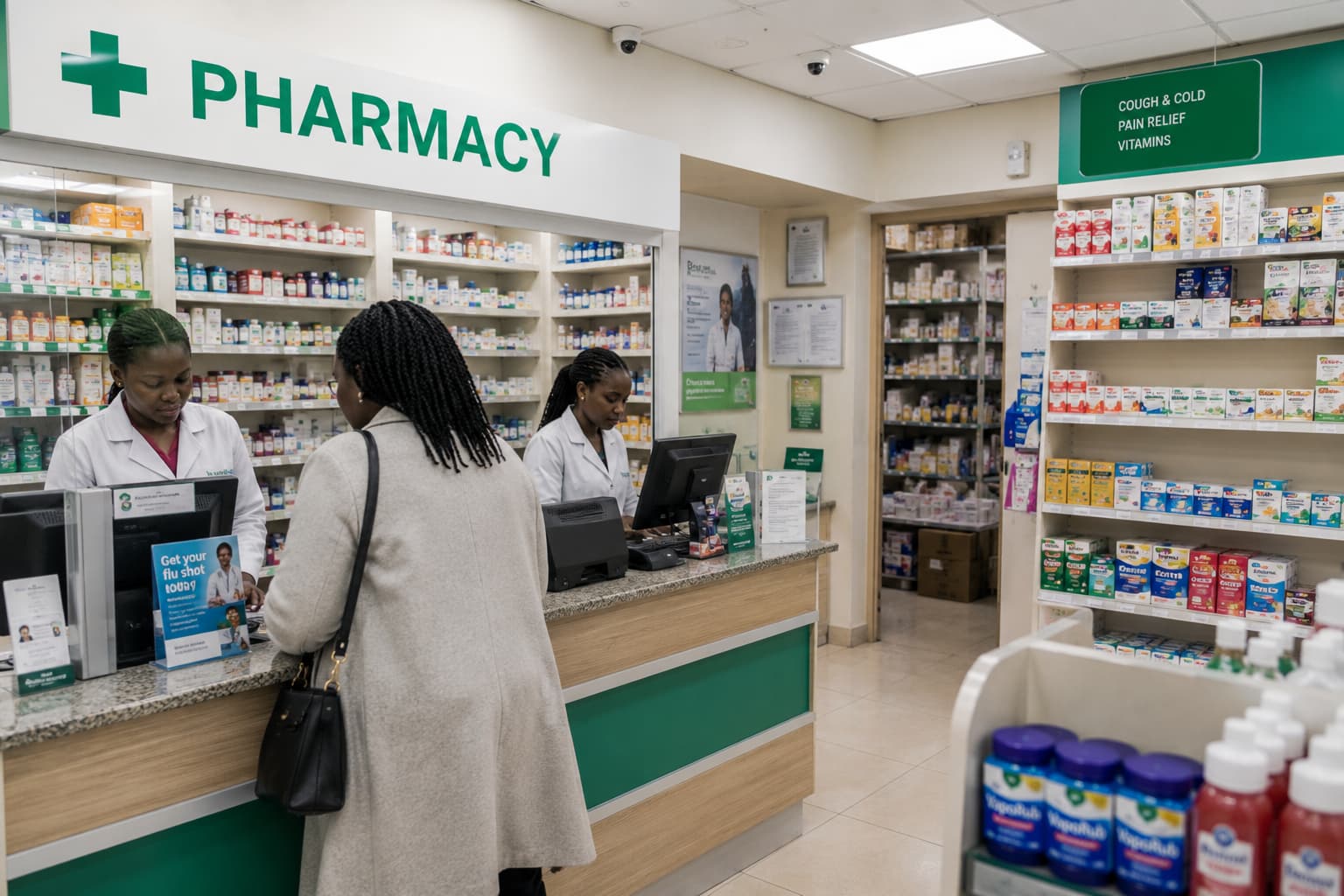
The drug dispensing gap. SHA covers outpatient consultations at enrolled facilities. But the drugs prescribed during that consultation are supposed to be dispensed from the facility's pharmacy, which SHA reimburses directly. When those drugs are out of stock — which is common at public facilities — patients are told to buy them from a private pharmacy outside. SHA does not cover private pharmacy purchases. The consultation was free. The drugs were not. The out-of-pocket cost that SHA was meant to eliminate arrives through the back door.
The tariff cap gap. SHA pays hospitals a fixed rate for procedures. If the hospital's actual charge for a procedure exceeds SHA's set rate — which is common at private and mission hospitals — the patient is liable for the difference. For a stroke patient at a private facility, SHA's cap is Ksh 95,200. If the bill exceeds that, the balance is the patient's problem. Nobody tells you this when you check in.
The specialised procedure gap. At Kenyatta National Hospital, Kenya's largest public referral facility, a colonoscopy now costs Ksh 25,000—up from Ksh 9,800 before the April 2026 fee revision. Many specialised diagnostic procedures were revised sharply upward. Several are not fully covered under SHA, and some are excluded entirely. Patients arrived for scheduled procedures they expected SHA to cover and discovered otherwise only when they were asked to pay.
The co-payment gap at higher-level facilities. SHA's design includes co-payments at Level 4 and Level 5 hospitals — the larger county referral and national hospitals where most Kenyans go for serious conditions. Many members enrolled expecting full coverage at these facilities and are discovering the co-payment structure mid-treatment.
SHA's Primary Healthcare Impact Report 2026 is worth reading carefully — not because it celebrates the scheme's achievements, but because it is honest enough to document where the scheme is failing.
The report identifies a prescription completion gap: patients leave facilities without completing their prescribed medication because drugs are unavailable on-site and they cannot afford to buy them privately. It identifies county inequality: access to SHA benefits varies significantly by county, meaning a patient in Nairobi and a patient in Marsabit are having categorically different experiences of the same scheme. And it identifies the referral system strain: patients are bypassing Level 2 and Level 3 primary care facilities — where services are supposed to be free — and going directly to Level 4 and Level 5 hospitals, because primary facilities are poorly resourced and lack the services they need.
That last point creates a compounding problem. SHA's financial model depends on most patients being handled at primary level, where costs are low. When patients skip primary care and go straight to referral hospitals, the scheme's cost per patient rises, reimbursements slow, and the gap between what SHA promises and what it can deliver widens.
At the same time, SHA currently faces a Ksh 116 billion deficit. Government reporting says SHA is working. Individual patients say it is not. Both things are true — because "working" means something different depending on which part of the system you are in.
The Anti-D injection problem
This one deserves its own section because it keeps surfacing in the comments and messages we receive.
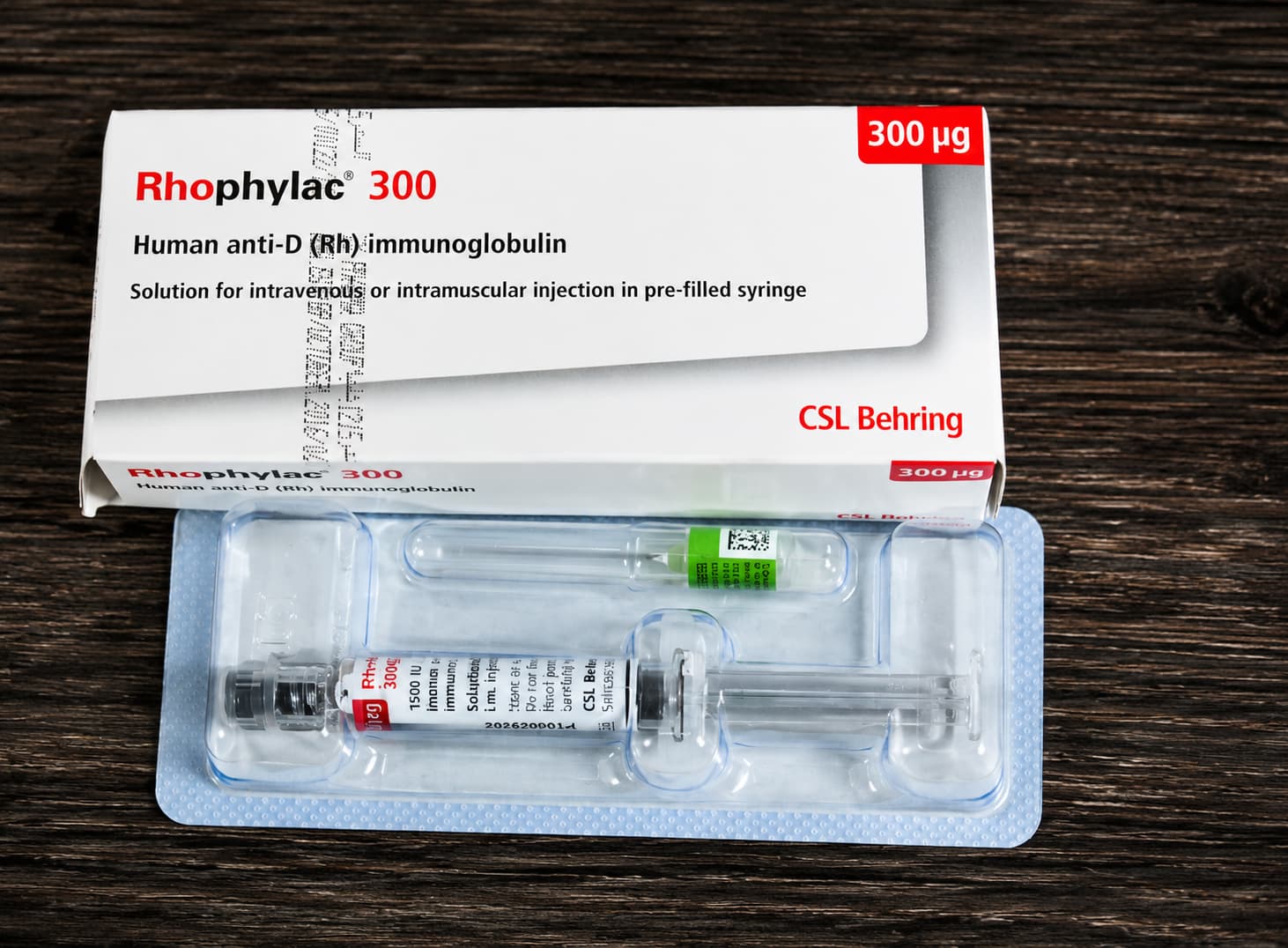
Rh-negative women — those with a negative blood type — need an Anti-D injection during or after pregnancy to prevent their immune system from attacking a future baby's blood cells. This is a standard, essential component of antenatal and postnatal care. Without it, subsequent pregnancies face serious and preventable complications.
SHA does not currently cover Anti-D injections as a standard benefit. Rh-negative women are being sent to buy it privately — at a cost of between Ksh 3,000 and Ksh 8,000 depending on where they source it — because it is not stocked at most public facilities and SHA will not reimburse it.
This is not a fringe gap. It is a gap that affects every Rh-negative woman in Kenya who is pregnant or planning to be, and most of them are finding out about it at the worst possible moment: after delivery, or after a miscarriage, when the injection is most urgent.
What to do when SHA doesn't cover what you thought it would
You have rights as an SHA member, even when the system is working against you. These steps will not solve the structural problem, but they will help you navigate it.
Before any procedure or admission, ask directly:
"Is this procedure fully covered by SHA or is there a co-payment?"
"Does SHA cover the drugs that will be prescribed, or will I need to buy them elsewhere?"
"What is SHA's tariff for this procedure, and does this facility charge more than that?"
Front desk staff are not always able or willing to answer these questions fully. Ask to speak to the billing department or the SHA desk before treatment begins, not at discharge.
If you are asked to pay for drugs at a private pharmacy: Ask whether the facility has those drugs available elsewhere on campus, or whether they can order them. Request documentation of the drug stock-out — this is useful for any formal complaint. You can report facility-level drug stock-outs through the SHA portal or by calling SHA's helpline at 0800 720 601 (toll-free).
If you receive a bill that includes items you believe SHA should have covered: Do not simply pay it at discharge without understanding what each line item is. Ask for an itemised bill. Compare the SHA tariff schedule — available on the SHA website — against what you are being charged. Facilities are not permitted to charge members above SHA tariffs for SHA-covered procedures.
For the Anti-D issue specifically: Ask your midwife or doctor to document in your clinical notes that the injection was recommended and was unavailable through SHA. This creates a paper trail if SHA's coverage position changes and supports any advocacy or complaint you may wish to make.
AfyaWatch254 Says: Enrollment Is Not Coverage
Kenya now has over 31 million people enrolled in SHA. That number is real, and it matters. But enrollment and coverage are not the same thing.
Coverage means that when you get sick, you receive the care you need without a bill that derails your household. By that definition — the definition that matters to actual patients — SHA is not delivering universal coverage. Not yet.
The gaps documented in this article are not secrets. They appear in SHA's own reports, in the ThinkWell assessment commissioned to evaluate the scheme, and in the lived experience of millions of Kenyans navigating the system right now. What is missing is plain-language communication to patients about exactly what is and is not covered before they need care.
Enrollment was the easy part. The hard part — building a system that functions the same in Marsabit as it does in Karen, that stocks the drugs it covers at the facilities that are supposed to dispense them, that tells you what the bill will be before you agree to treatment — that part is still unfinished.
Until it is finished, the most protective thing you can do is go in prepared. Know your rights. Ask the questions. Get the answers before you are handed a discharge bill you were not expecting.