The Coca-Cola System Adds USD 3.6 Billion to the COMESA Economy and Supports Over 458,000 Jobs
L
Leisure Collective
Author
18
0
0
A new study shows the Coca-Cola system contributed USD 3.6 billion to the COMESA region in 2024 and supported over 458,200 jobs across agriculture, retail and more.
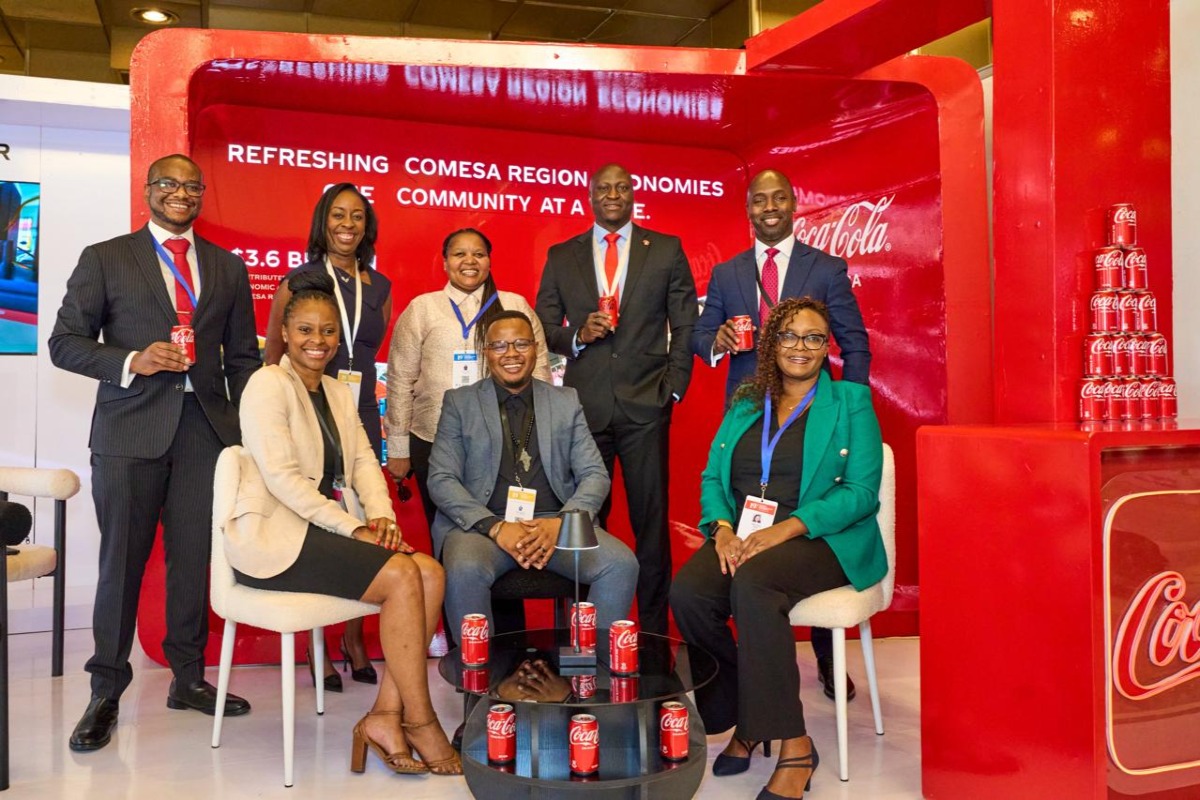
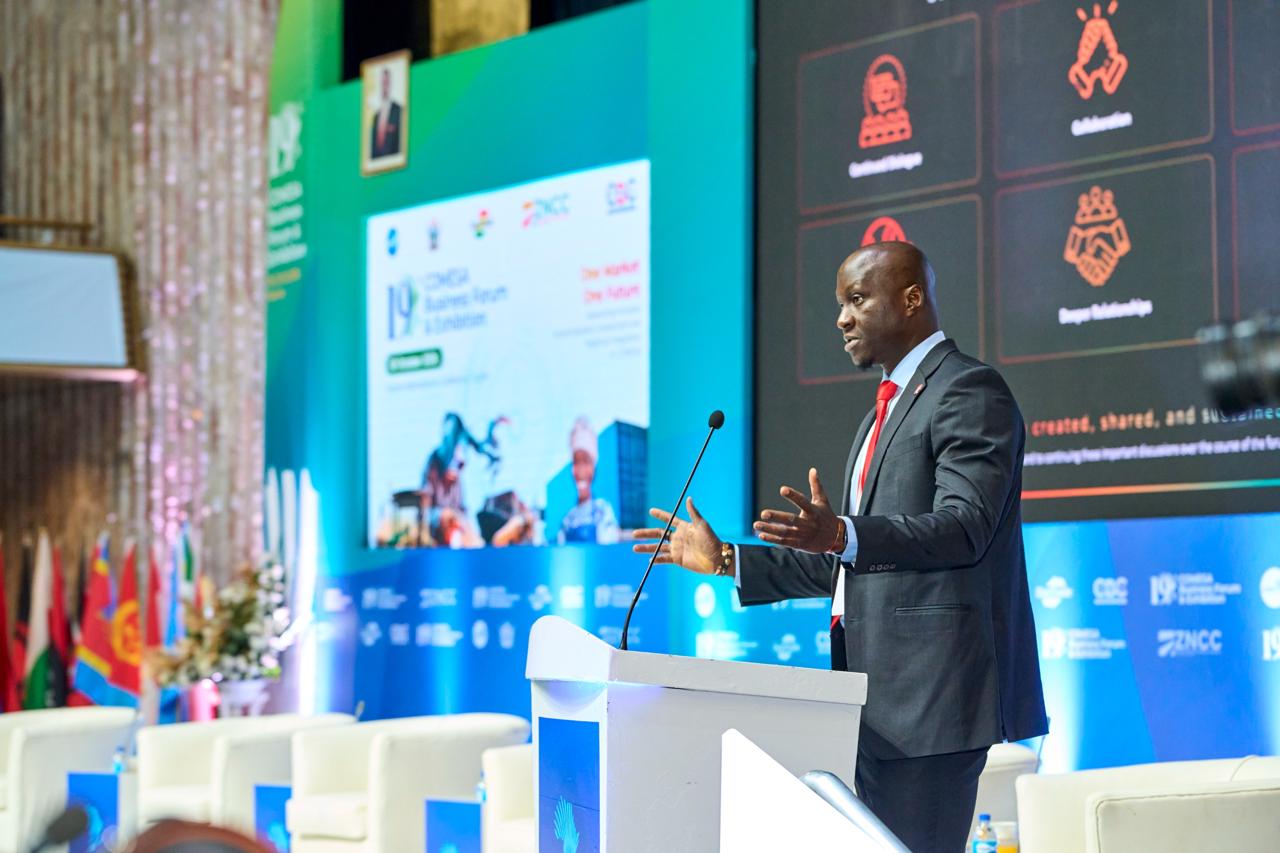
A new economic impact study has put hard numbers on how far a single beverage system reaches into everyday African economies. Unveiled at the 19th COMESA Business Forum in Harare, Zimbabwe, on 20 October 2026, the findings show that the Coca-Cola system contributed USD 3.6 billion in value-added economic activity across the COMESA region in 2024 and supported more than 458,200 direct and indirect jobs.
The study, conducted by global consultancy Steward Redqueen, looks well beyond bottling plants. It captures the full network of bottlers, suppliers, distributors and retailers that bring a bottle of Coca-Cola, Sprite or Fanta from production line to the corner kiosk.
The Numbers Behind the Headline
The USD 3.6 billion contribution represents 0.3% of COMESA’s combined GDP, a notable share for a single industry system operating across a region of 21 member countries. The jobs figure is just as striking. The 458,200 roles supported span agriculture, manufacturing, retail, transport and services, reflecting how deeply the system is woven into daily commercial life.
Luis Felipe Avellar, President of Coca-Cola’s Africa Operating Unit, pointed to the multiplier effect at the heart of the findings.
“For every direct job created by the Coca-Cola system in COMESA, an additional 28 jobs are supported throughout the regional economy,” he said.
That ratio explains why the figure is so large. A single bottling job also sustains farmers who grow sugar, truck drivers who move product, packaging manufacturers and the small retailers who sell it on.
Local Suppliers at the Centre of the Story
The study found that the Coca-Cola system spent almost USD 1.5 billion on goods and services from suppliers within COMESA member countries in 2024. That spending flows into industries including sugar production, manufacturing, packaging and logistics, strengthening local supply chains and building economic resilience in the process.
Alfred Olajide, Vice President of East and Central Africa Operations at Coca-Cola, framed the system’s role plainly. “The Coca-Cola system operates as a critical economic engine across the COMESA region, empowering local suppliers, retailers and distributors to thrive,” he said, adding that the 19th COMESA Business Forum offered a meaningful opportunity to underscore the commitment to innovation, collaboration and sustainable development.
Beyond Economics: Water and Community
The company also highlighted its sustainability work alongside the economic findings. Several COMESA member states benefit from the Africa Water Stewardship Initiative, a programme of nearly USD 25 million that addresses water-related challenges across 20 African countries by 2030. It is part of a broader approach that includes water replenishment, packaging recycling, sustainable sourcing and carbon emission reductions across the value chain.
Steward Redqueen used a Multi-Regional Input-Output model to measure the system’s impact across operations, local procurement and wider value chain linkages. The method captures the ripple effects that travel through an economy, from the farm to the retail shelf, rather than counting only direct payroll.
Why It Matters for the Region
The 19th COMESA Business Forum brought together leaders from across the region to discuss trade, innovation and economic growth, and Coca-Cola took part as a key collaborator. For Kenya and its neighbours, the findings are a reminder of how regional supply chains create shared prosperity, and of the role large private-sector systems can play in building it.
Avellar closed with a nod to that shared purpose. “The 19th COMESA Business Forum reaffirms the importance of collaboration in achieving sustainable and inclusive economic growth,” he said.