What a Bad Marriage Is Doing To Your Body : The Science Behind Stress, Abuse, and Autoimmune Disease
L
Leisure Collective
Author
250
0
0
She is still in the marriage, and her joints have started aching. She left three years ago — and her immune system still hasn't recovered. Two different women. The same biology. Here is what chronic stress inside a toxic relationship does to a woman's body, whether she has left or not.
Meet two women.
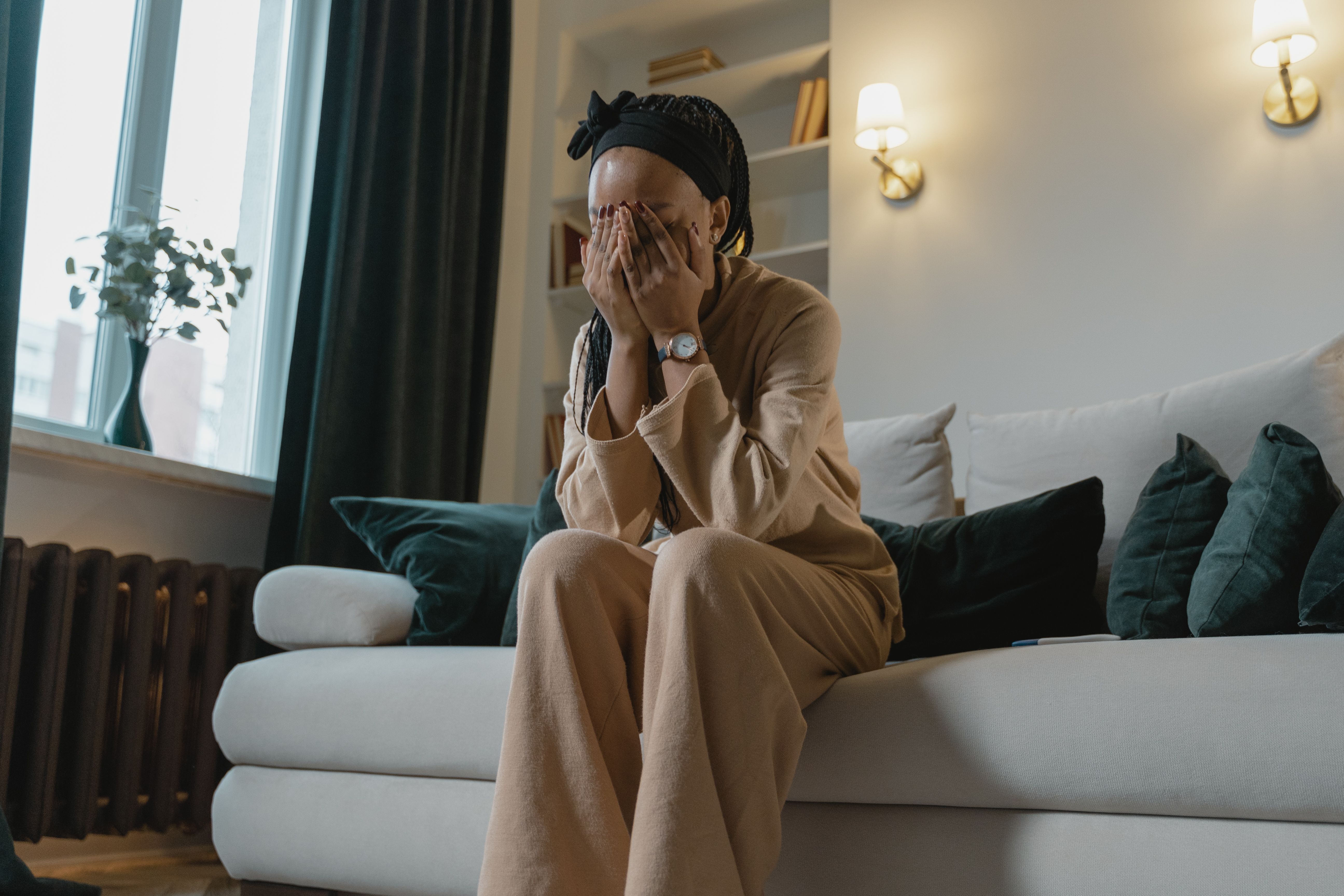
The first is still in her marriage. She has learnt to read her husband's silences — a particular kind of quiet that means she needs to move carefully for the next few hours. She monitors his moods before she speaks. She has stopped inviting friends over because managing his reaction afterwards costs too much. She is exhausted in a way that sleep does not fix. Her joints have started aching. Her gut has been unpredictable for two years. Her doctor says it's stress.
The second woman left. Or was left. Either way, the marriage is over. She thought her body would follow — that the relief of getting out would translate into physical recovery. Instead, six months after leaving, she was diagnosed with an autoimmune condition. Then another. Her doctor treats each one separately. Nobody has ever asked her about her marriage.
These are not two different stories. They are two chapters of the same one. And the medical journals are now explaining exactly what connects them.
What the TikTok Was Actually Saying
The video that sparked this conversation — thousands of likes, hundreds of comments, women across Africa recognising themselves in the caption — made a claim that sounds provocative: that narcissistic abuse causes autoimmune disease.
The science is more precise and more important.
What research actually shows is this: prolonged chronic psychological stress — the kind experienced in abusive, controlling, or emotionally toxic relationships — dysregulates the immune system in ways that significantly increase the risk of autoimmune conditions. This is not a metaphor. It is not sensitivity. It is measurable, documented, peer-reviewed biology.
The comments under that video were a clinical record hiding in plain sight. The joint pain that started during the marriage. The thyroid problem that appeared after years of walking on eggshells. The gut issues nobody could explain. Women were not imagining it. They were describing what researchers call 'allostatic load' – the cumulative biological cost of a body that never gets to stand down from threat.
This is now established science, not emerging speculation.
A February 2025 systematic review and meta-analysis in Frontiers in Psychiatry confirmed that PTSD is linked to increased risk of multiple autoimmune diseases including Systemic Lupus Erythematosus, Inflammatory Bowel Disease, Rheumatoid Arthritis, and Multiple Sclerosis — with PTSD severity correlating proportionally with increased autoimmune risk.
A 2025 study in Psychological Medicine, drawing on data from over 100,000 women across two large cohorts, found that adverse experiences drive chronic immune system activation and inflammation – a direct mechanistic link to elevated rates of autoimmune conditions.
A 2024 scoping review in Seminars in Arthritis and Rheumatism found that interpersonal trauma, PTSD, and major life stressors showed strong associations with increased risk and severity of autoimmune rheumatic diseases – particularly rheumatoid arthritis and lupus.
Research on women exposed to intimate partner violence (IPV) or, simply, women who have experienced abuse or violence in their relationships specifically documents stress-related endocrine and immune-inflammatory dysregulations that mirror patterns observed in chronically stressed individuals—linking IPV history directly to elevated risk of cardiovascular disease, gastrointestinal conditions, and autoimmune illnesses.
The conclusion across all these studies is the same: living in a toxic relationship is not just emotionally damaging. It produces measurable, lasting physical harm — and that harm does not automatically end when the relationship does.
This section is for the woman who has not left. Who may not be ready to leave. Who may not yet have named what is happening to her as abuse.
What your body is doing right now is not a coincidence.
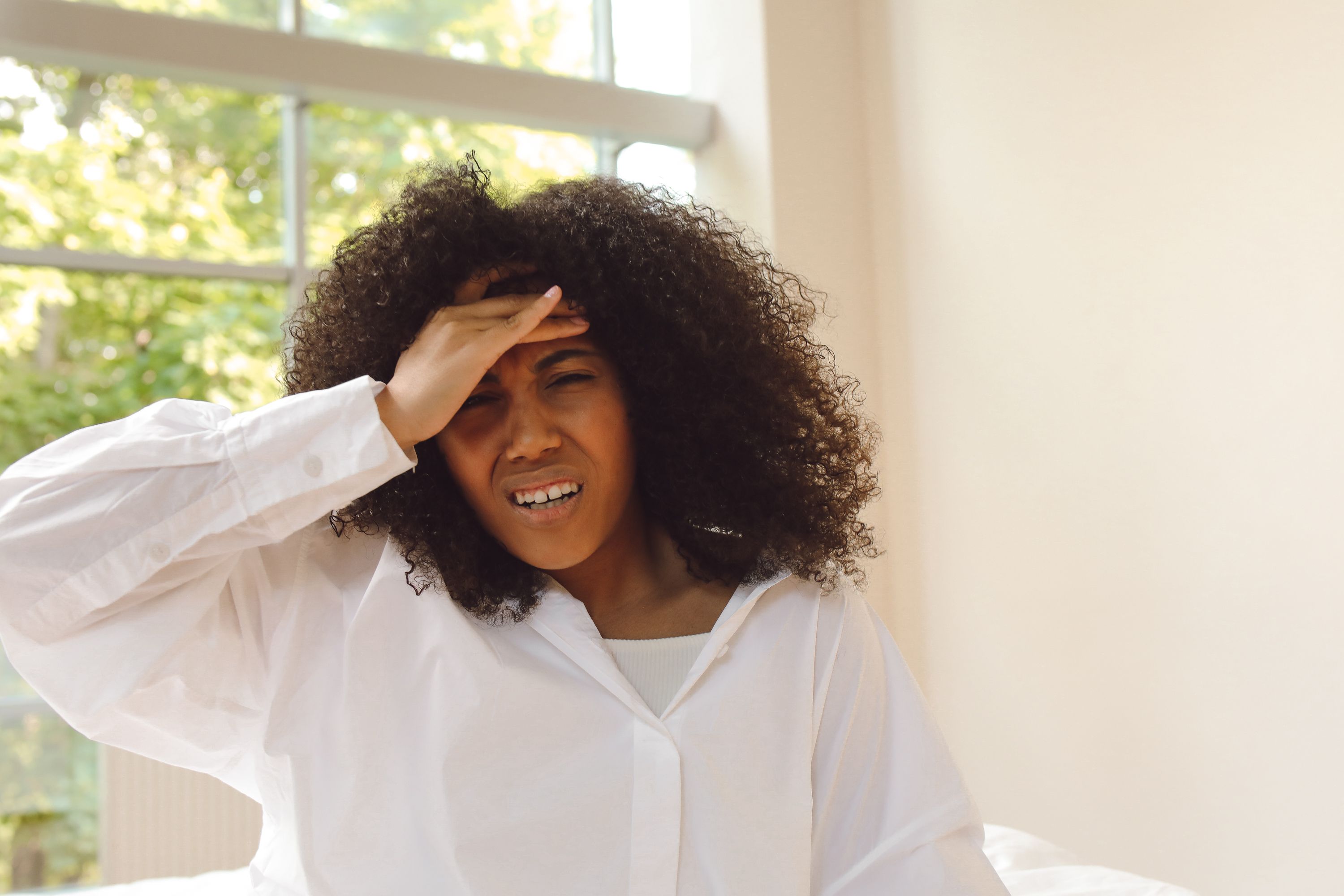
The fatigue that sleep doesn't fix. The gut that's been unreliable for months or years. The joint pain your doctor keeps investigating without finding a clear cause. The recurring infections that suggest your immune system isn't functioning as it should. The headaches. The skin flares. The feeling of being simultaneously wired and exhausted.
These are not separate, unrelated health problems. They are a body under sustained biological stress — a body that has been running its emergency response system for so long that the system itself is starting to break down.
In Kenya, most married women do not name verbal abuse, emotional control, or psychological manipulation as violence they can report or even fully acknowledge. "He doesn't hit me" remains a sentence many women use to minimise what is happening – to themselves first, and then to anyone who asks. But the body does not accept that distinction. Chronic fear, chronic hypervigilance, chronic self-suppression and emotional management of another person's unpredictable moods — these register in the nervous system and the immune system as serious, ongoing threats.
You do not have to have bruises for your body to be in crisis.
If you are experiencing unexplained physical symptoms in the context of a relationship where you feel chronically unsafe, monitored, controlled, or diminished, the two things are likely connected. Tell your doctor. Ask them to consider your stress history as part of your clinical picture. And if the relationship itself is something you are beginning to question, organisations like FIDA Kenya and GVRC exist not just for crisis moments but for the earlier, quieter ones too.
This section is for the woman who got out — and then found that her body did not follow.
Leaving a toxic relationship is not the finish line that wellbeing content often portrays it as. For many women, the physical symptoms either begin or worsen in the period after leaving — which is confusing and demoralising when you were expecting relief.
There are biological reasons for this. During a prolonged threat, the body sometimes suppresses certain symptoms to keep functioning. The full physical reckoning can come when the immediate survival pressure lifts. Additionally, the nervous system does not automatically deactivate once the external threat is removed. A body that spent years in hypervigilance has been structurally changed by that experience — in its hormonal patterns, its immune signalling, and its baseline threat assessment.
Research confirms that HPA axis dysregulation and immune dysregulation from chronic interpersonal trauma may not remit even after the trauma ends. Your cortisol system, your inflammatory pathways, your immune regulation — these require active recovery, not just the passage of time.
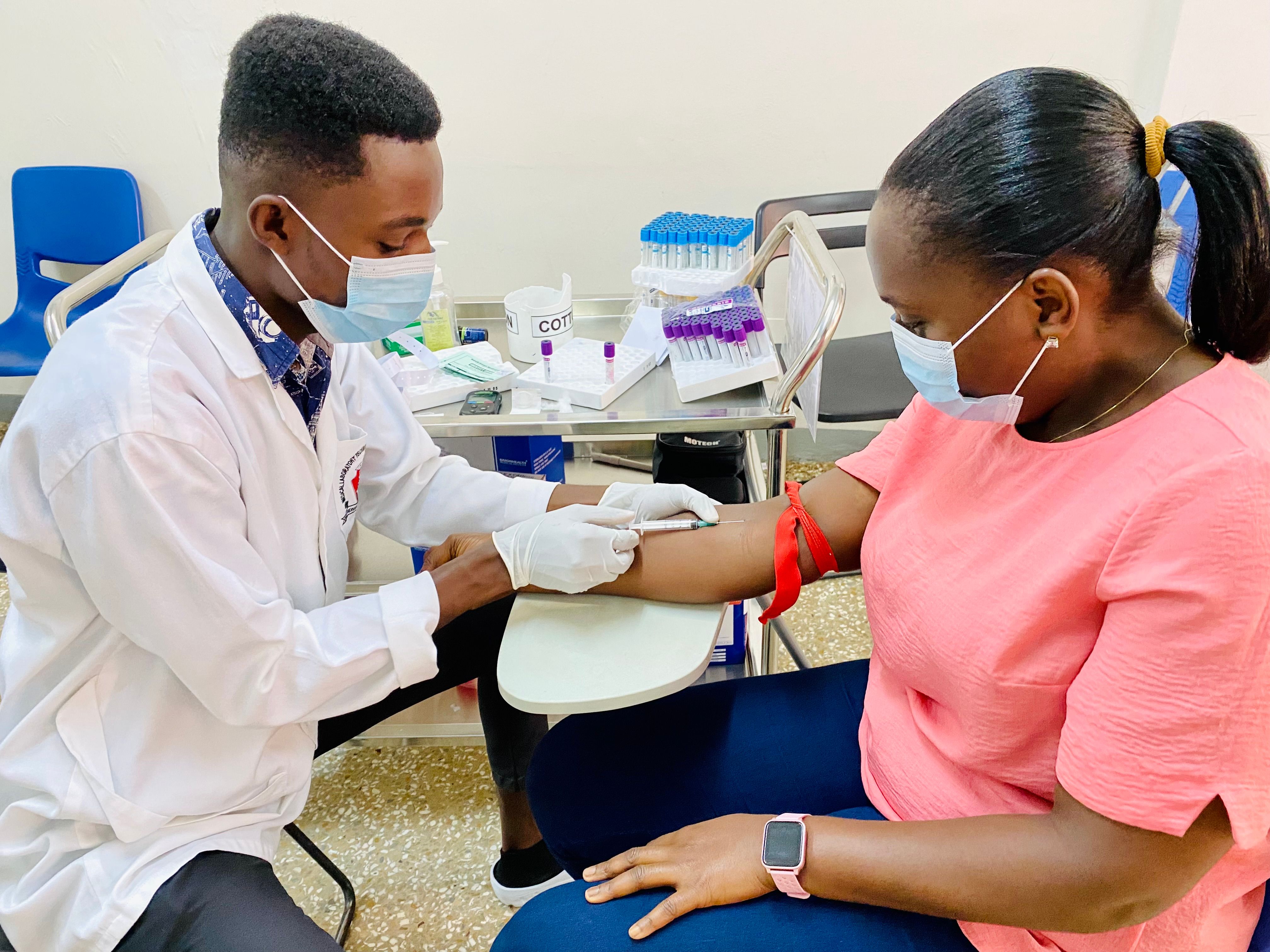
This means healing is not passive. The nervous system needs deliberate support: trauma-informed therapy, nervous system regulation practices, sleep restoration, genuine community, and consistent movement — not as wellness extras, but as physiological treatment. If you have been diagnosed with an autoimmune condition after leaving a toxic relationship, bring your relational history into the clinical conversation. Ask for trauma-informed care. You deserve a provider who sees the whole picture.
The Conditions Most Linked to Chronic Relational Stress
Based on current research, these are the conditions most frequently documented in women with PTSD and chronic interpersonal trauma histories:
Rheumatoid Arthritis — The immune system attacks the joints. Multiple large cohort studies link PTSD and chronic interpersonal trauma to elevated RA risk.
Lupus (SLE) — A systemic autoimmune disease affecting joints, skin, kidneys, and more. One of the most consistently documented conditions in PTSD research. Risk increases threefold in women with PTSD history.
Fibromyalgia — Widespread musculoskeletal pain and fatigue, strongly associated with trauma and nervous system dysregulation. Frequently dismissed as psychological — which is both inaccurate and harmful.
Inflammatory bowel disease / IBS — The gut-immune-brain axis is acutely sensitive to chronic stress. Gut symptoms are among the most commonly reported physical manifestations of long-term emotional abuse.
Chronic Fatigue — A physiological state linked to a dysregulated HPA axis that can no longer regulate energy production properly. Not laziness. Not depression alone. Biology.
A Kenyan woman presenting to a rheumatologist with lupus, or to a gastroenterologist with chronic gut inflammation, or to an endocrinologist with a thyroid disorder that appeared in her 30s will almost certainly not be asked about her relationship history. The connections are not being made at the clinical level.
Doctors treat the joint. They do not ask who is in the room when the pain gets worse.
This is a gap that needs to close. In a country where intimate partner violence affects a significant proportion of married women, where femicide data tells us one woman dies every day, and where psychological and emotional abuse remain widely minimised — the physical health consequences of relational trauma are being treated as a separate, unrelated category of suffering.
They are not separate. They are the same story.
AfyaWatch254 Says: Your Body Has Been Telling the Truth
This article is not about reducing complex autoimmune diseases to a single cause. Genetics matter. Multiple factors are involved.
What this article is about is the gap between what Kenyan women are experiencing in their bodies and what they are being told about why. Whether you are still in a difficult relationship or years out of one, your physical symptoms deserve a full clinical picture. One that includes the question nobody is currently asking.
You are not too sensitive. You are not imagining it. You are not falling apart for no reason.
Your body has been keeping score. And it has been telling the truth the whole time.