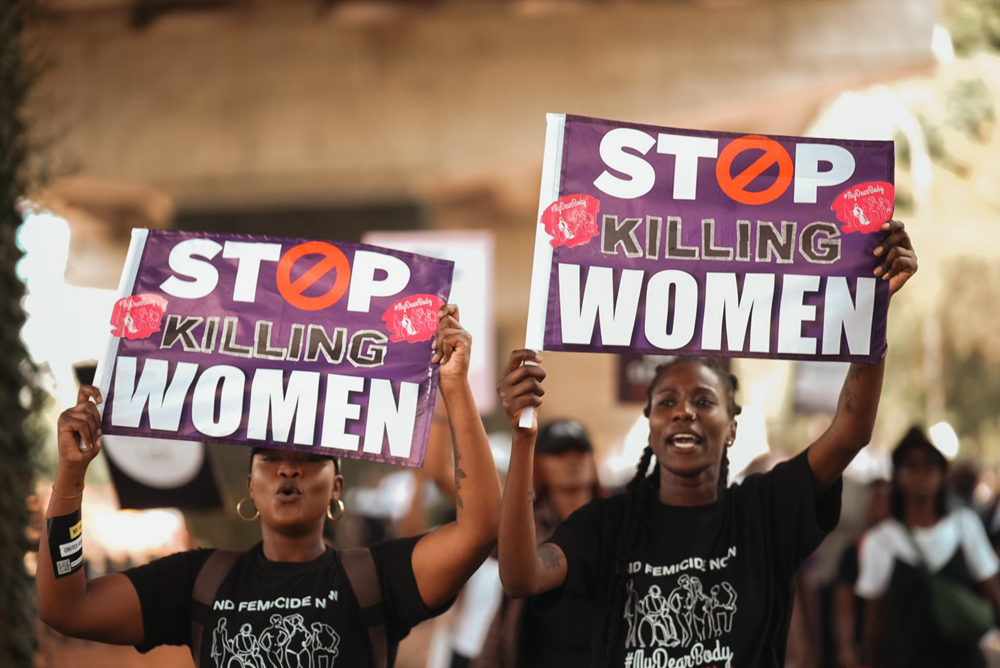
One woman. Every day. That is the pace at which Kenya is losing mothers, daughters, and partners to femicide. The numbers are not just statistics — they are a verdict on a system designed to protect women but repeatedly choosing not to.
In April 2026, Davine Kwamboka — a mother of two in Migori County — was brutally killed. CCTV footage later captured her husband and two other men attempting to dispose of her body. Days later in Nakuru, Anita was murdered by her husband, a Kenya Defence Forces soldier, in front of their young child.
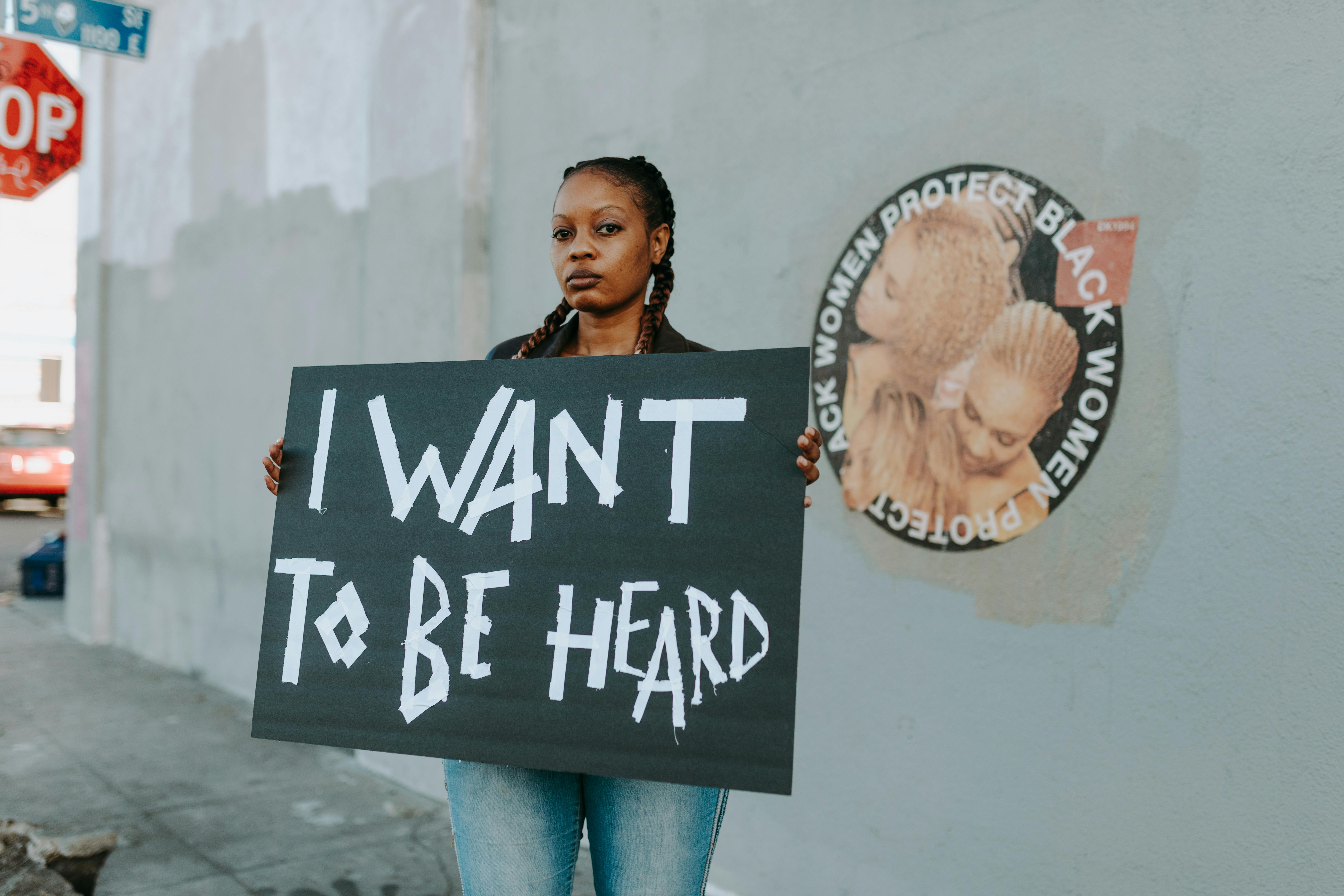
Their names trended for a news cycle. Then, like dozens before them, they faded into silence.
This is Kenya's femicide crisis. Not a wave. Not an anomaly. A pattern — repeating, accelerating, and largely unpunished.
The Numbers Cannot Be Ignored
According to UNESCO's Regional Office for Eastern Africa, Kenya recorded 579 femicide cases in 2024 — and 129 more in just the first quarter of 2025. That is not slowing down; that is acceleration.
A comprehensive database compiled by Africa Data Hub, Odipo Dev, and Africa Uncensored tracked over 1,069 female murders in Kenya between January 2016 and December 2025, of which 842 meet the UN Office on Drugs and Crime's formal definition of femicide.
The Kenya National Police reports confirm what advocates have long known: on average, one woman is killed every day in Kenya due to femicide.
These are not strangers attacking women in dark alleys. This is happening at home.
Home Is Where The Danger Is
Data shows that approximately 70% of femicide in Kenya occurs inside the home — a shared living space between victim and perpetrator. According to the TWG Technical Report released in January 2026, husbands account for 40.15% of femicide cases, making intimate partners the single most dangerous category of perpetrator.
ActionAid's analysis of Q1 2025 found that men were responsible for 85% of femicide killings in that period, with half directly linked to domestic disputes and 72% occurring inside the home.
The FIDA Kenya report confirms a 10% rise in femicide cases between 2022 and 2024, driven by patriarchal norms, economic dependency, harmful cultural practices, and weak family structures.
Young women are bearing the heaviest toll. Women aged 18 to 35 account for nearly 60% of all femicide victims. Perpetrators are primarily men in the same age group.
The Legal Vacuum That Is Killing Women
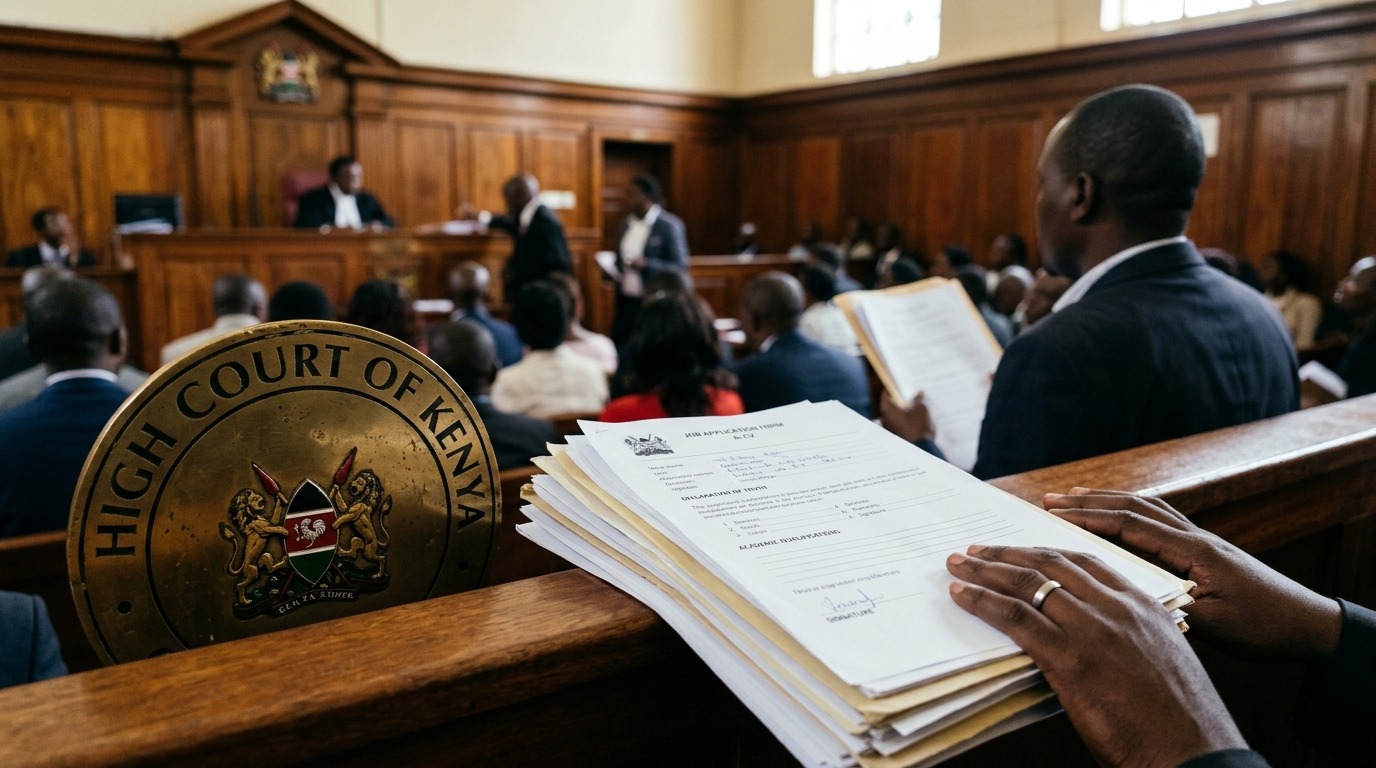
Here is the most damning fact: femicide is not recognised as a standalone offence under Kenyan law.
Most cases are prosecuted as ordinary murder or manslaughter. When courts apply plea bargains — often citing "spur-of-the-moment" circumstances or the need for the accused to care for surviving children — husbands receive shorter average sentences (17 years) than other family members (21 years).
Justice, when it comes, is slow. Families in Kitui and Machakos wait an average of seven years for a court decision in femicide cases. In Nairobi — considered among the faster counties — the average wait is still four years.
Meanwhile, 93% of the 84 cases concluded in 2025 resulted in convictions — evidence that the justice system can act decisively. The question is why it takes so long to start.
The Government Response: Too Little, Too Slow
In January 2025, following mass public outrage from the #EndFemicideKE and #TotalShutdownKE movements, President Ruto established a 42-member Technical Working Group (TWG) on GBV and Femicide. The group completed its report and submitted it — but as of now, it remains with the Deputy President's office, with no clear timeline for action.
Cabinet Secretary for Gender Hanna Cheptumo has stated that a Protection Against Domestic Violence (Amendment) Bill, 2025 is being prepared, alongside the digitisation of GBV case handling. But advocates warn the response is outpaced by the crisis.
Of 95 mapped GBV shelters nationally, only two for men and boys are operational, while most women's shelters operate without adequate resources — no consistent meals, no proper security, no sustained legal aid.
Kenya pledged to eliminate systemic barriers enabling GBV by 2026. That deadline is now. The targets have not been met.
What Needs To Happen — Now
Civil society, survivors, and international partners are aligned on what is required:
1. Criminalise femicide as a standalone offence. Without a specific law, there is no dedicated enforcement infrastructure, no specialised courts, and no uniform sentencing.
2. Fund shelters adequately. GBV shelters are the frontline of protection. Collapsing them under budget cuts is a policy choice — and women are paying for it with their lives.
3. Fix the data. Many femicide cases are recorded as ordinary murders, deaths by misadventure, or simply never reported. The true scale is likely far higher than what appears in police records.
4. Hold the TWG Report accountable. The recommendations exist. Parliamentarians must demand the report be finalised and implemented, not shelved.
5. Reform police response. As survivor Phiona Adhiambo noted: men accused of GBV are frequently released on bond at the police station. Most cases never reach a courthouse. This impunity is the engine of repeat violence.
AfyaWatch254 Is Watching
Davine Kwamboka deserved protection before she became a statistic. So did Anita. So did the 579 women counted in 2024 — and the hundreds not counted at all.
Kenya cannot host global conferences on women's health while its own women are being killed inside their homes, one per day, by the people closest to them.
We will keep naming the failures. We will keep demanding accountability.
Because silence is not neutral. Silence is complicity.
→ If you or someone you know is experiencing GBV, contact:
- Gender Violence Recovery Centre (GVRC) — Nairobi Women's Hospital: 0800 720 990 (toll-free, 24hrs)
- Msaada Helpline (National GBV Hotline): 1195
- FIDA Kenya: +254 20 2719973
Sources & Further Reading