Cervical Cancer In Kenya: You Can Prevent This — Here's What Nobody Told You
L
Leisure Collective
Author
211
0
0
More than 3,000 Kenyan women die from cervical cancer every year. It is not because this cancer is untreatable. It is because it is caught too late — and because too many women were never told they could prevent it in the first place.
Every year in Kenya, more than 5,000 women are told they have cervical cancer. Over 3,000 of them will die.
That is roughly eight women a day. Eight funerals. Eight families left behind.
The cruelest part? Cervical cancer is one of the most preventable cancers in the world. It develops slowly, over years. It can be detected early. It can be stopped before it even starts. Yet Kenya continues to lose thousands of women to it every single year — because they were never screened, never vaccinated, or never told they had a choice.
That ends here.
What Cervical Cancer Is — And Why Kenya Bears So Much Of It
Cervical cancer begins in the cells of the cervix — the lower part of the uterus. Nearly all cases are caused by persistent infection with the Human Papillomavirus (HPV), a common sexually transmitted infection that most sexually active adults will carry at some point in their lives. Most HPV infections clear on their own. But in some women, certain high-risk strains persist and, over years, cause normal cells to become abnormal — and eventually cancerous.
Cervical cancer is the second most common cancer among women in Kenya, accounting for 19.7% of all female cancer cases according to the National Cancer Institute Kenya. Globally, it ranks fourth in cancer incidence among women — but in East Africa, it kills at rates two to three times higher than in high-income countries.
Why? Because in wealthier countries, women are vaccinated against HPV, screened regularly, and treated early. In Kenya — and across most of Sub-Saharan Africa — more than 50% of cases are only diagnosed at advanced stages, when treatment options are limited and survival outcomes are poor.
The gap between what is possible and what is happening is not a medical problem. It is a systems failure.
The Numbers You Need to Know
Kenya records approximately 5,236 new cervical cancer cases per year — 19.7% of all female cancers
Over 3,000 Kenyan women die from it annually — making it the leading cause of female cancer-related mortality in the country
Only 16.81% of Kenyan women of reproductive age have ever been screened for cervical cancer, according to the 2022 Kenya Demographic and Health Survey
Despite screening programmes existing, only 13.8% of eligible women participate, and nearly half of those diagnosed are caught at a late stage
Kenya needs to reach 70% screening coverage to be on track for elimination — it is currently at under 17%
Let that sink in. Kenya is at less than one-quarter of its screening target, losing women every day as a result.
Kenya Just Launched a New Plan. Here's What It Promises.
On January 15, 2026, Health Cabinet Secretary Aden Duale officially launched Kenya's National Cervical Cancer Elimination Action Plan 2026–2030 — the country's first comprehensive, costed roadmap for eliminating cervical cancer as a public health threat.
The plan is aligned to the WHO's global 90–70–90 targets:
90% of girls vaccinated against HPV by age 15
70% of women screened with high-performance tests by ages 35 and 45
90% of women diagnosed with pre-cancer or cancer receiving timely treatment and care
Key commitments in the plan include:
Free HPV vaccination for girls aged 10–14 years, nationwide. Kenya transitioned to a single-dose HPV vaccine schedule in November 2025 — a major logistical simplification that makes it easier to reach more girls in more counties.
Expanded HPV DNA testing — moving from older, less accurate pap smears to more sensitive HPV DNA-based screening, which catches pre-cancerous changes earlier and more reliably.
Self-sampling kits — a new approach allowing women to collect their own cervical samples at home or in a private space, reducing the discomfort and stigma that keeps many from attending clinic-based screening.
Digital health tools for tracking, referral, and follow-up across all 47 counties.
The plan has a price tag: KES 11.6 billion over five years. And it carries an extraordinary long-term promise: zero cervical cancer deaths in Kenya by 2120, if targets are met.
CS Duale called it "a coordinated national response to end this tragedy." Health Systems Insight, which documented the launch, noted the plan was the first of its kind — equity-focused, results-oriented, and backed by the highest level of political commitment in Kenya's history on this issue.
AfyaWatch254 Says: The Plan Is Bold. The Gap Is Real.
We welcome the 2026–2030 plan. It is the most serious national commitment Kenya has made on cervical cancer.
But we are a watchdog — and our job is to track the gap between commitment and reality.
The honest picture right now:
Kenya was already off track on previous cervical cancer targets before this plan launched. Coverage of all three proven interventions — vaccination, screening, and treatment — has lagged behind for years.
The plan calls for 70% screening coverage. Kenya is currently at 16.81%. That is not a small gap to close in five years. It requires massive investment in community health workers, mobile outreach, public communication, and SHA-linked financing — all of which are currently under pressure.
The plan is only as good as the implementation. AfyaWatch254 will be watching.
What Causes Cervical Cancer — Risk Factors Every Woman Should Know
HPV is the primary driver, but certain factors increase the risk of HPV persisting and progressing to cancer:
Starting sexual activity at a young age — increases cumulative HPV exposure
Multiple sexual partners — increases likelihood of exposure to high-risk HPV strains
HIV-positive status — women living with HIV are 3.5 times more likely to be screened for cervical cancer (because they are flagged at clinics), but are also at significantly higher risk of HPV persistence and faster progression to cancer
Long-term use of oral contraceptives — some evidence of increased risk with prolonged use over 5 years
Smoking — weakens immune response and accelerates cellular damage
Never being screened — the single most modifiable risk factor in Kenya's context
None of these are moral judgments. They are clinical facts that inform what screening schedules are appropriate for different women.
What Cervical Cancer Screening Actually Involves
Screening options range from a quick VIA test at your nearest public facility to HPV DNA testing now being expanded nationally — ask your provider what's available.
If you have ever been sexually active: first screen at age 25, or earlier if HIV-positive
Routine screening every 3–5 years if previous results were normal
If HIV-positive: annually
If you have never been screened and are over 30: go now, regardless of symptoms
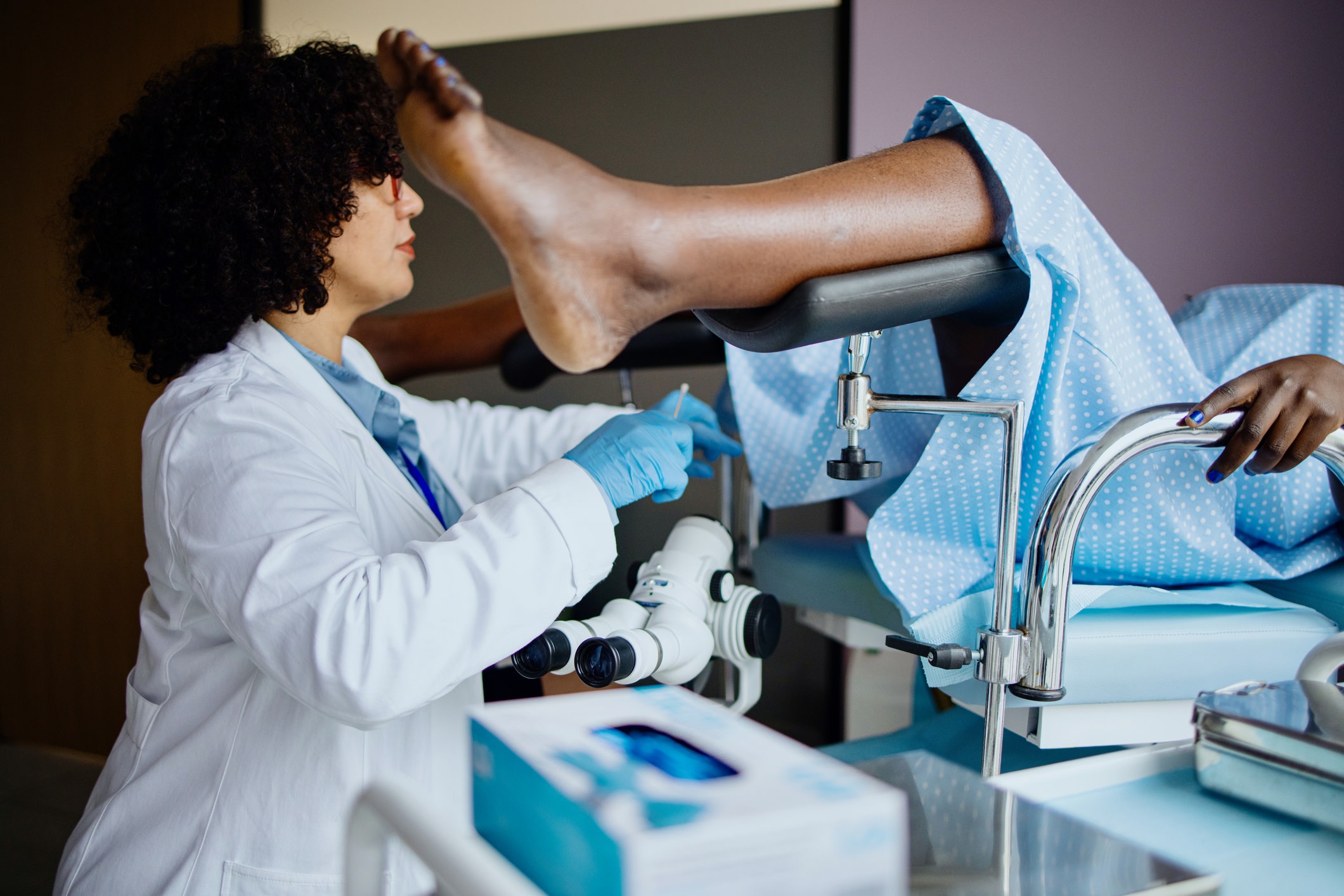
Does it hurt? VIA and pap smears involve a speculum examination, which can cause mild discomfort but should not be painful. Deep pain during a cervical examination is not normal and should be flagged to your provider.
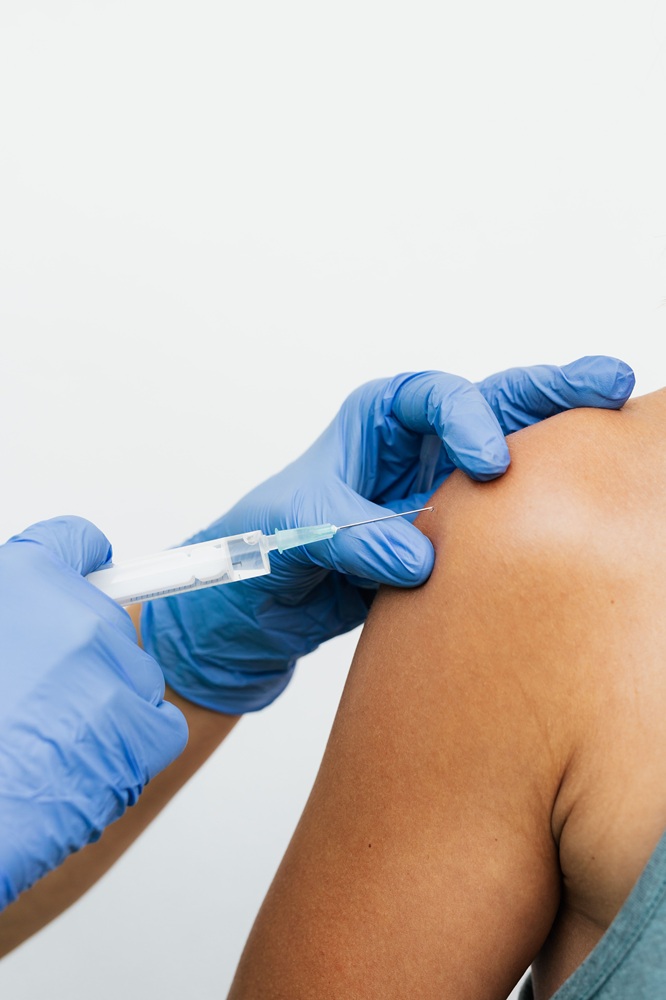
Who should be vaccinated? Primary target: girls aged 10–14 — before sexual debut, when the vaccine provides maximum protection. Under the 2026–2030 plan, this is now free, single-dose, and rolling out nationally.
Catch-up vaccination is also recommended for girls and women up to age 26 who were not vaccinated at the target age. Women up to 45 may benefit depending on their HPV exposure history — speak to your healthcare provider.
Does the HPV vaccine protect against all cervical cancers? The current vaccines (most commonly Cervarix and Gardasil in Kenya) protect against HPV types 16 and 18, which cause approximately 70% of all cervical cancers. Gardasil-9 covers additional strains, protecting against about 90% of cases. Vaccination does not eliminate the need for screening — they work together.
Can you get the vaccine if you are already sexually active? Yes. You may have already been exposed to one HPV strain, but vaccination still protects against the other strains you haven't encountered.
Side effects? Mild and short-lived: soreness at injection site, occasional low-grade fever, brief dizziness. Serious adverse events are extremely rare and well-monitored globally.
Public facilities (free or low-cost under SHA): Cervical cancer screening is included in the SHA Primary Healthcare Fund benefit package. The following facility types should offer VIA screening:
County referral hospitals and sub-county hospitals
Level 4 and Level 5 health facilities
Some Level 3 health centres in well-resourced counties
Confirm SHA coverage when booking — PHCF is underfunded, and availability varies by county.
Private and NGO facilities with confirmed screening services:
Marie Stopes Kenya (Eastleigh & network clinics): Offers reproductive health services including cervical screening. Free-phone: 0800 753 333 | mariestopes.or.ke
Aga Khan University Hospital, Nairobi: Full gynaecological oncology services, HPV DNA testing, colposcopy
Nairobi Hospital: Comprehensive women's health services including cervical screening
MP Shah Hospital: Gynaecological services with screening and colposcopy
Kenyatta National Hospital: Oncology department with cervical cancer screening and treatment; KNH's cancer clinic is the primary public referral destination
Moi Teaching and Referral Hospital, Eldoret: Second largest public referral hospital; cervical cancer screening and treatment available
What to ask when you call or book:
"Do you offer cervical cancer screening?"
"What type of screening — VIA, pap smear, or HPV DNA test?"
"Is this covered under SHA / what is the out-of-pocket cost?"
"What is the waiting time for results?"
Warning Signs — Do Not Wait for a Routine Appointment
Cervical cancer in early stages often has no symptoms. But when symptoms appear, act immediately:
Abnormal vaginal bleeding — between periods, after sex, or after menopause
Unusual vaginal discharge — watery, bloody, or with an unusual smell
Pelvic pain or pain during sex — especially if persistent
Pain in the lower back or legs — in advanced disease, as the tumour presses on surrounding structures
These symptoms do not confirm cancer — they could be many things. But they require investigation, not waiting.
AfyaWatch254 Says: Stop Waiting to Be Sick
Kenya has the tools to end cervical cancer deaths. The HPV vaccine exists. The screening methods exist. The treatment exists. What is killing women is late diagnosis, low awareness, and a system that is not yet reaching the women who need it most.
You do not need to wait for a government campaign to reach you. You can book a screening appointment this week. You can ask your daughter's school about the HPV vaccine. You can share this article with every woman in your life who has never been screened.
Because the only thing more tragic than a preventable death is a preventable death that happened anyway — because nobody said anything.
→ Action Steps:
Book a cervical screening: call your nearest public facility or Marie Stopes Kenya free-line 0800 753 333
Confirm your daughter (aged 10–14) has received the free HPV vaccine through the school programme